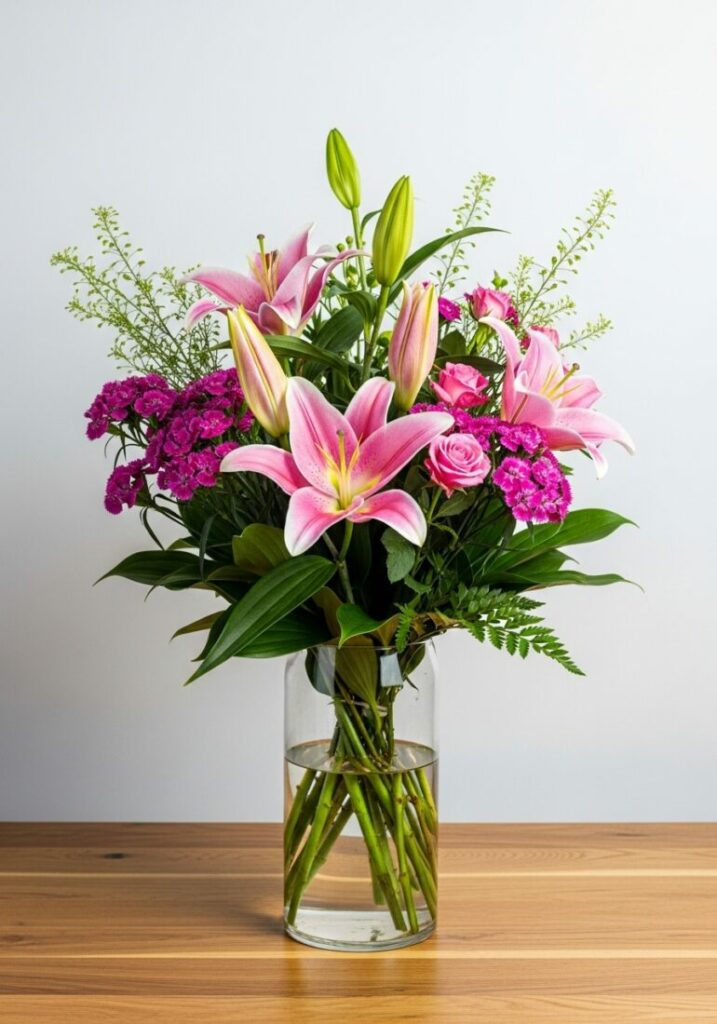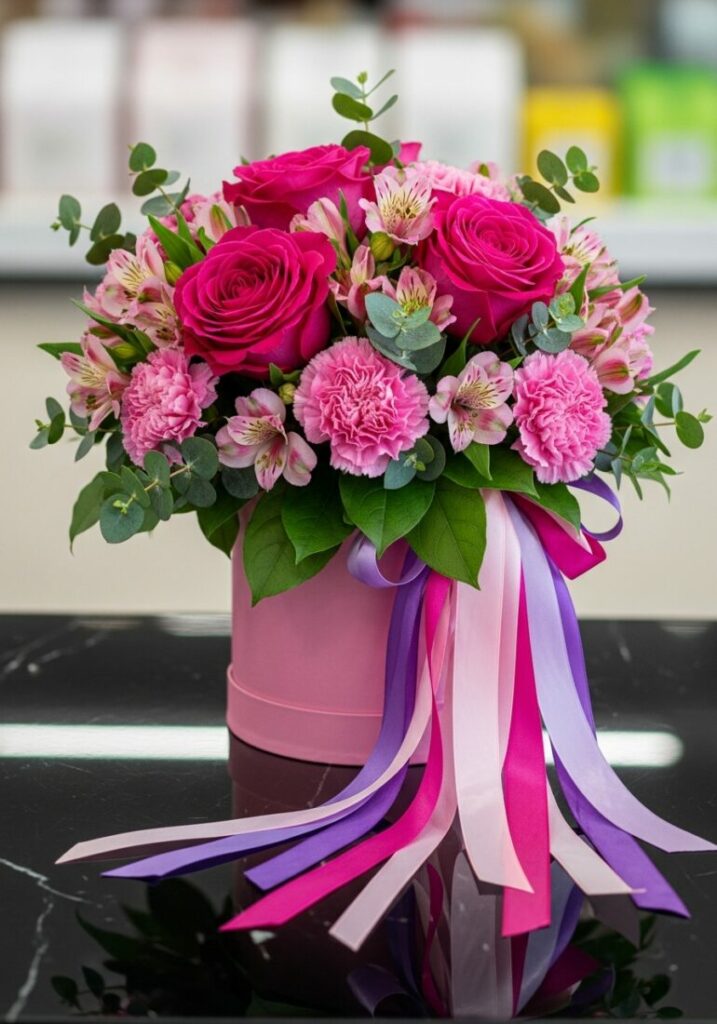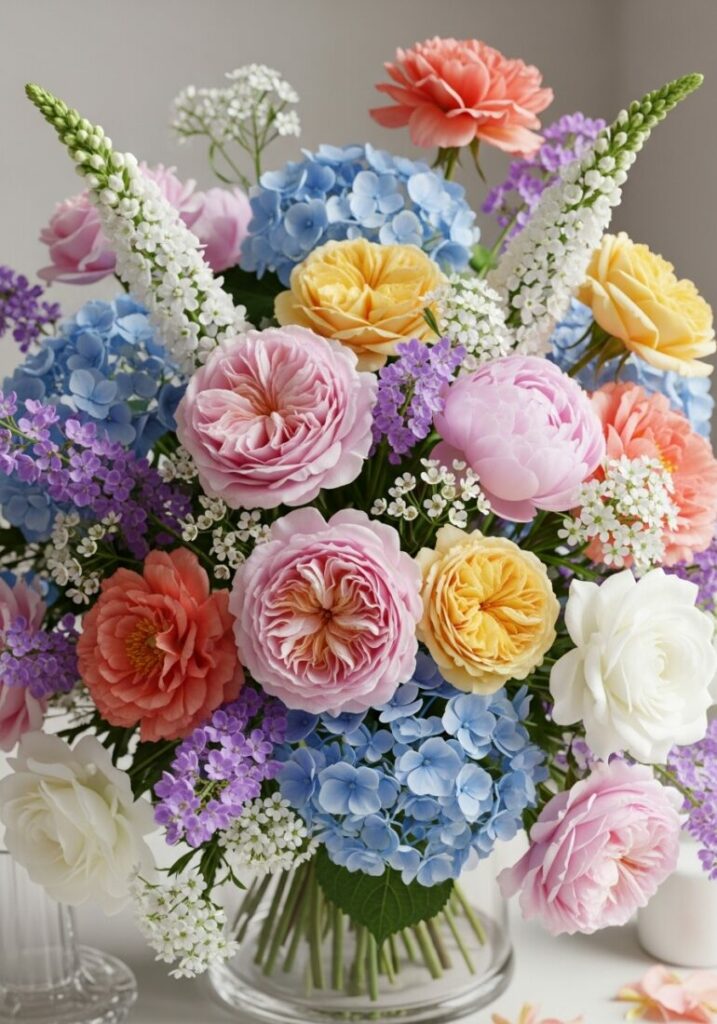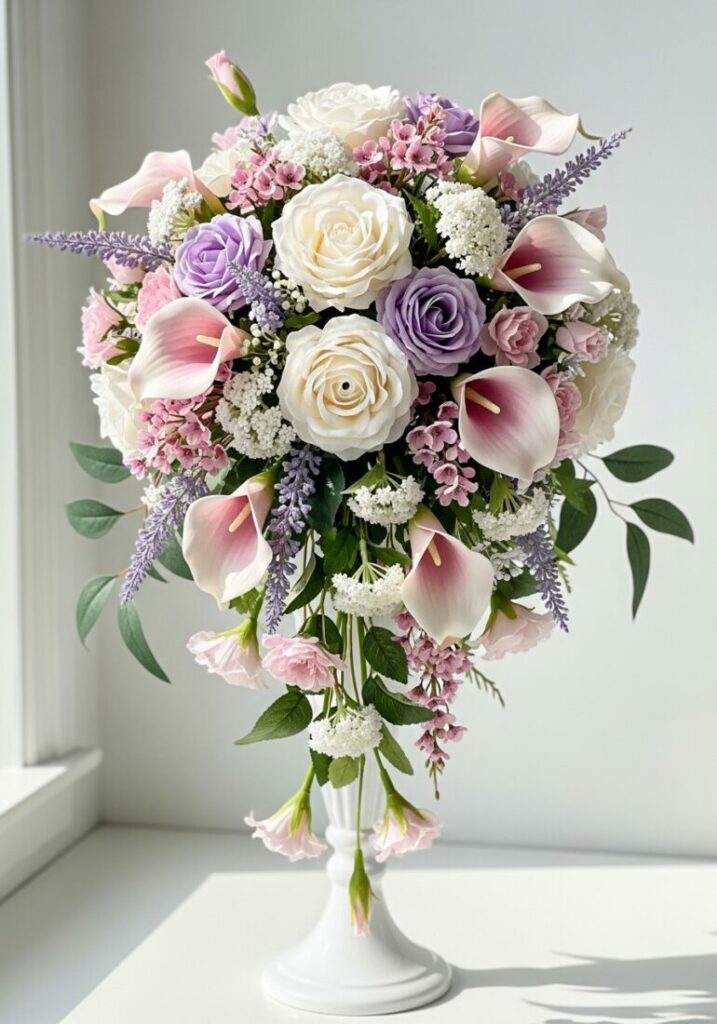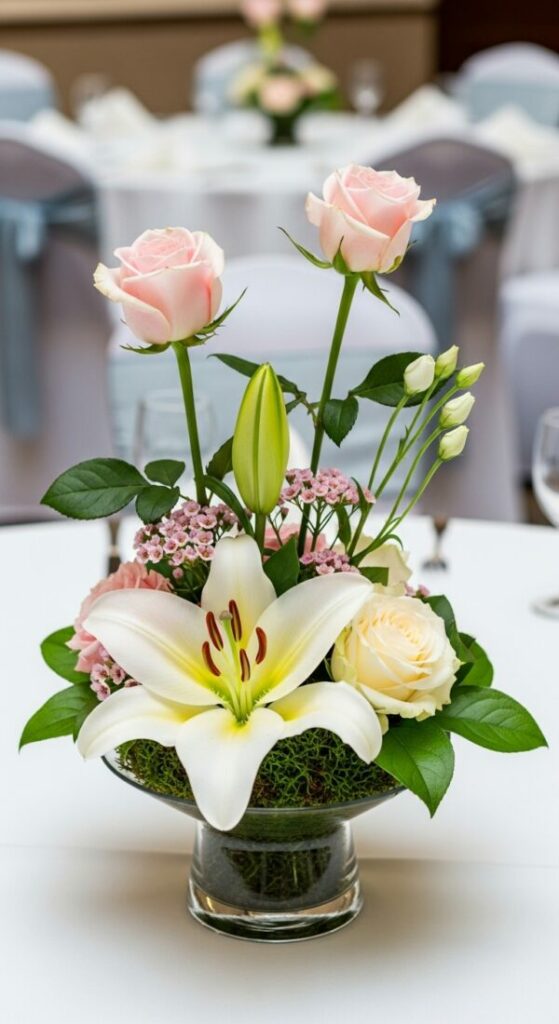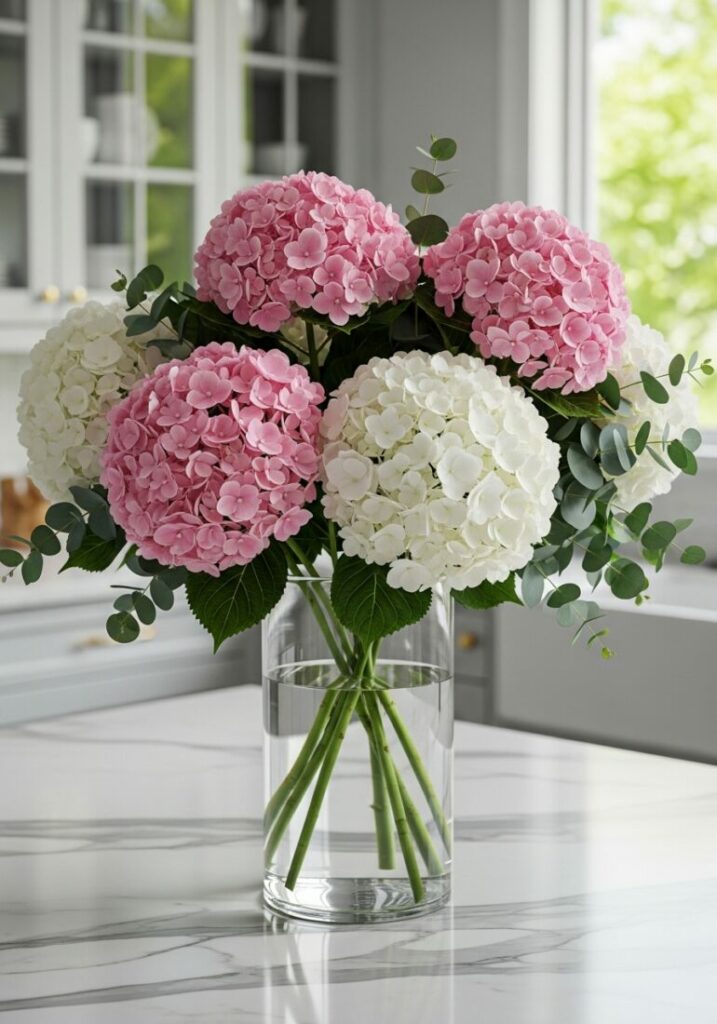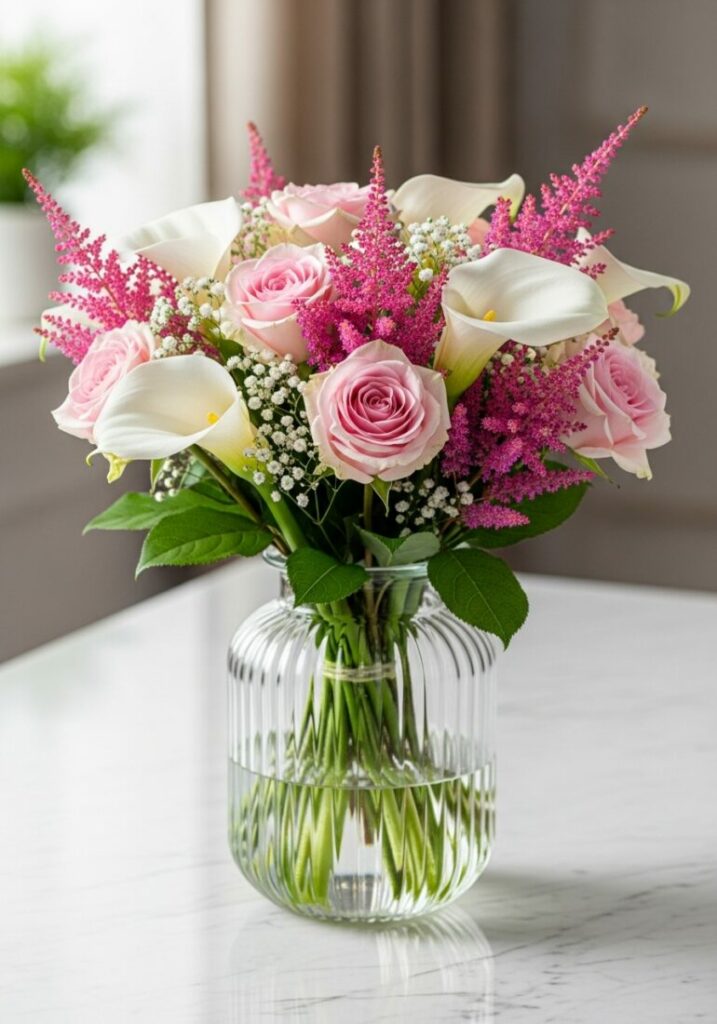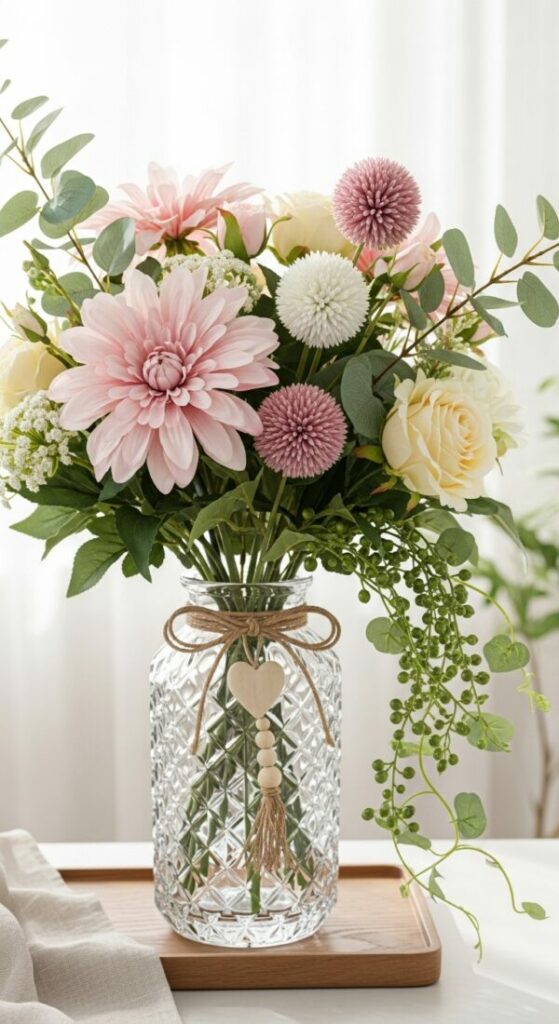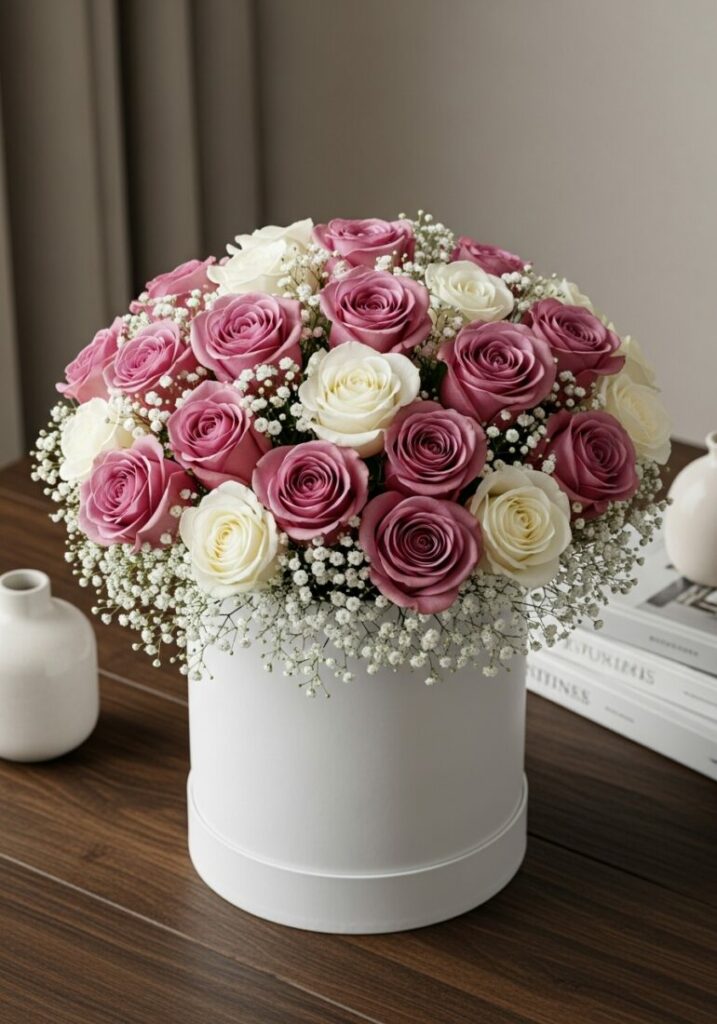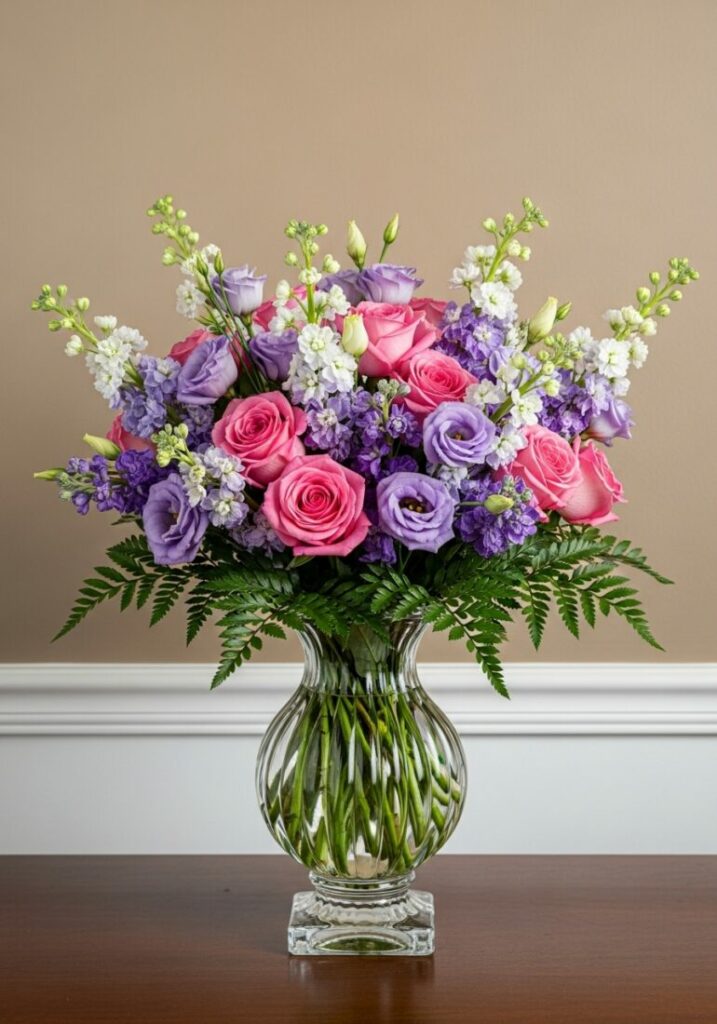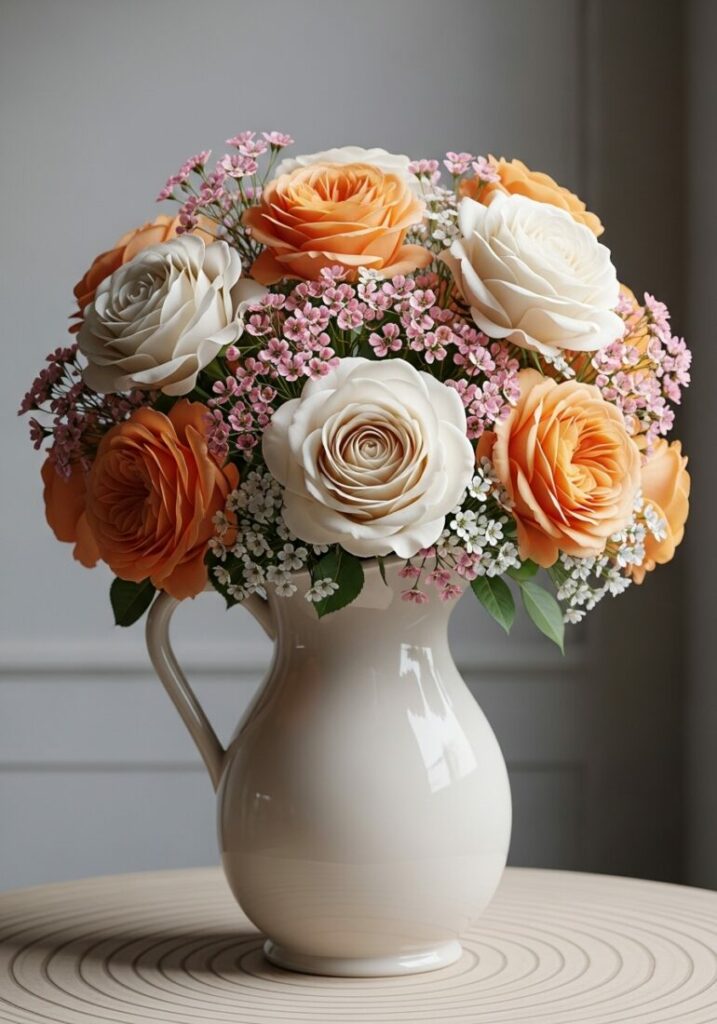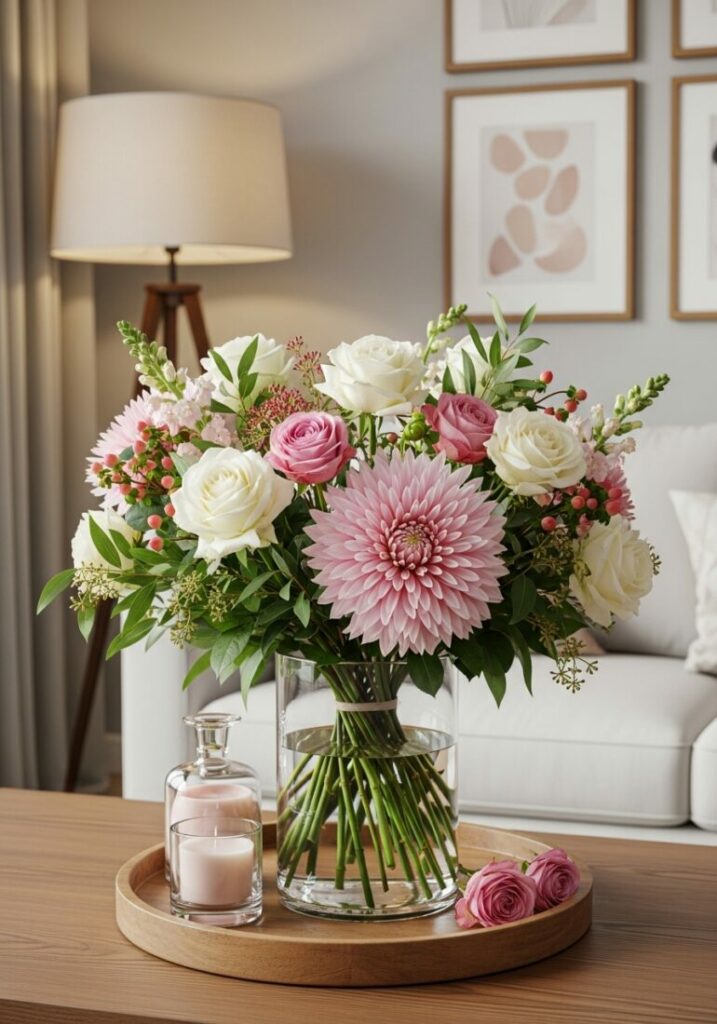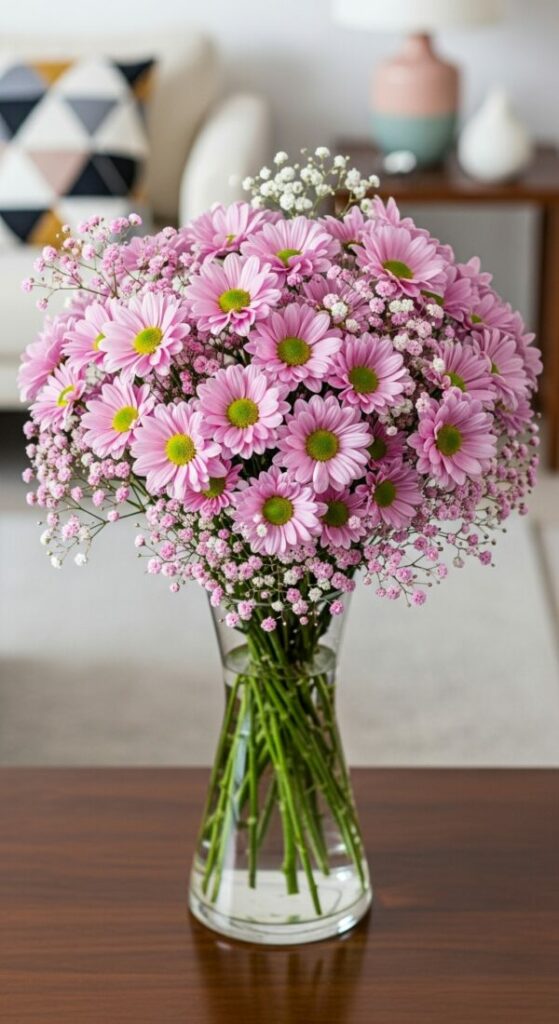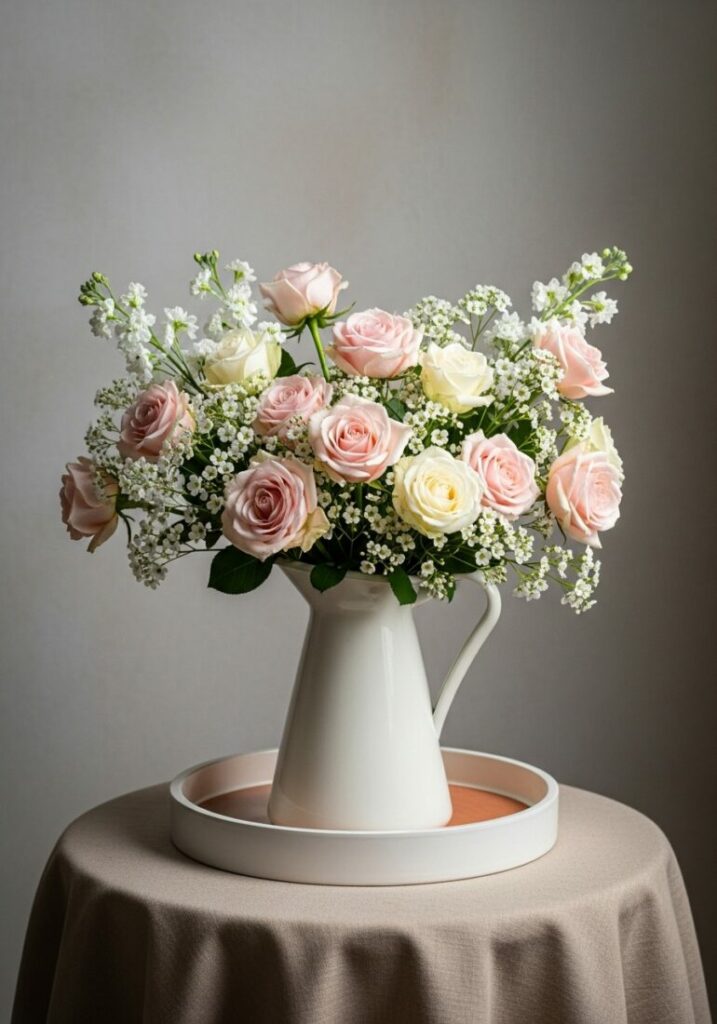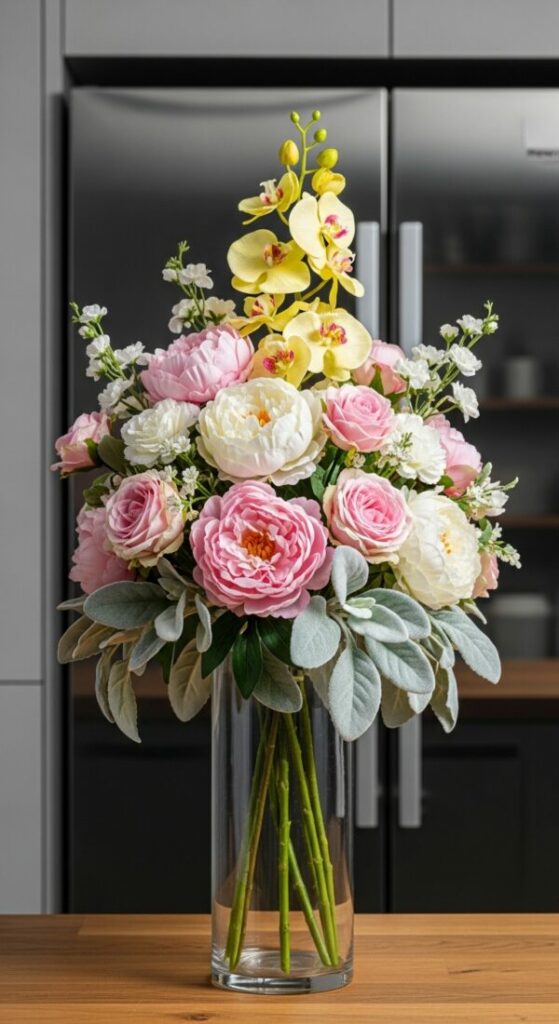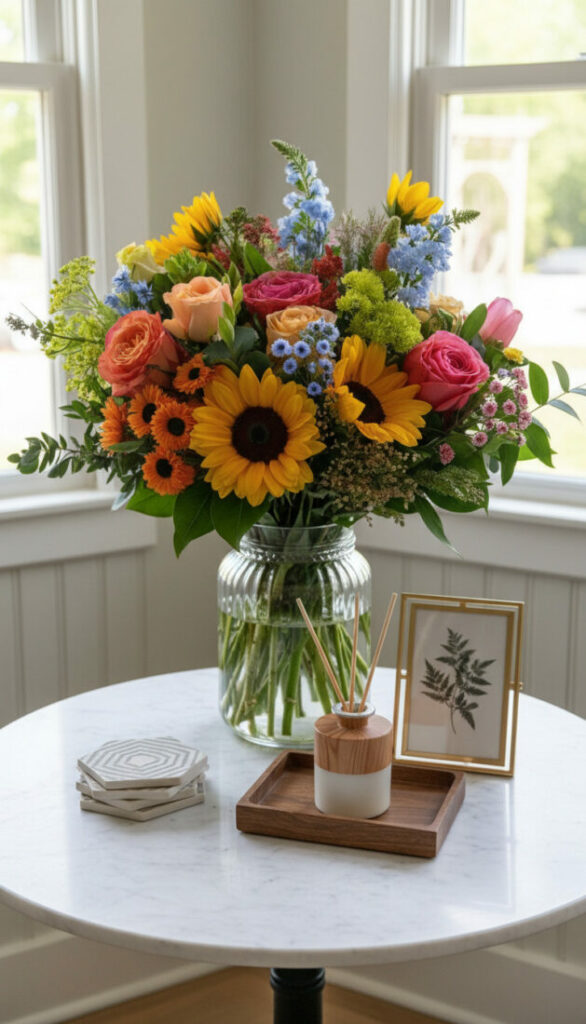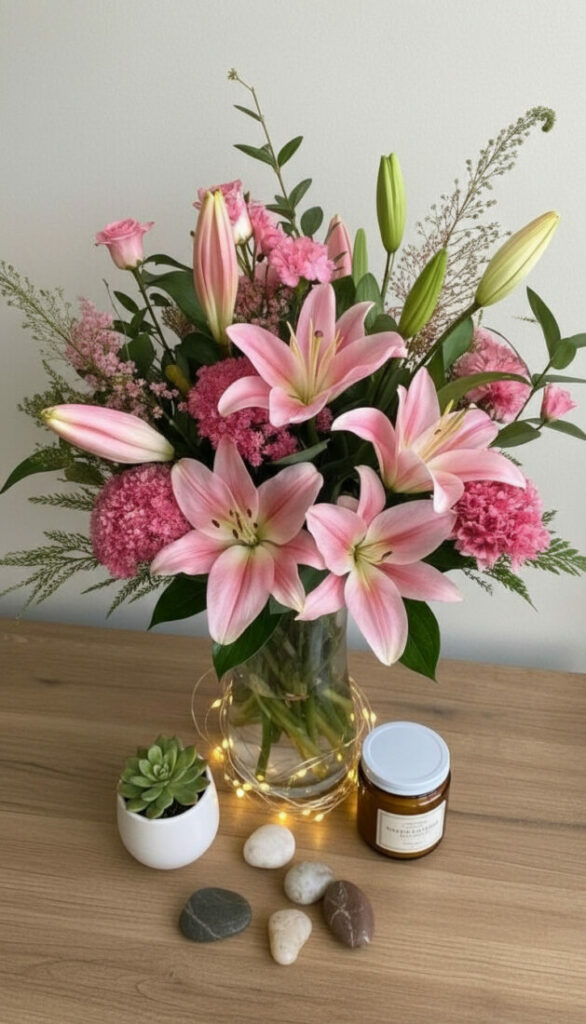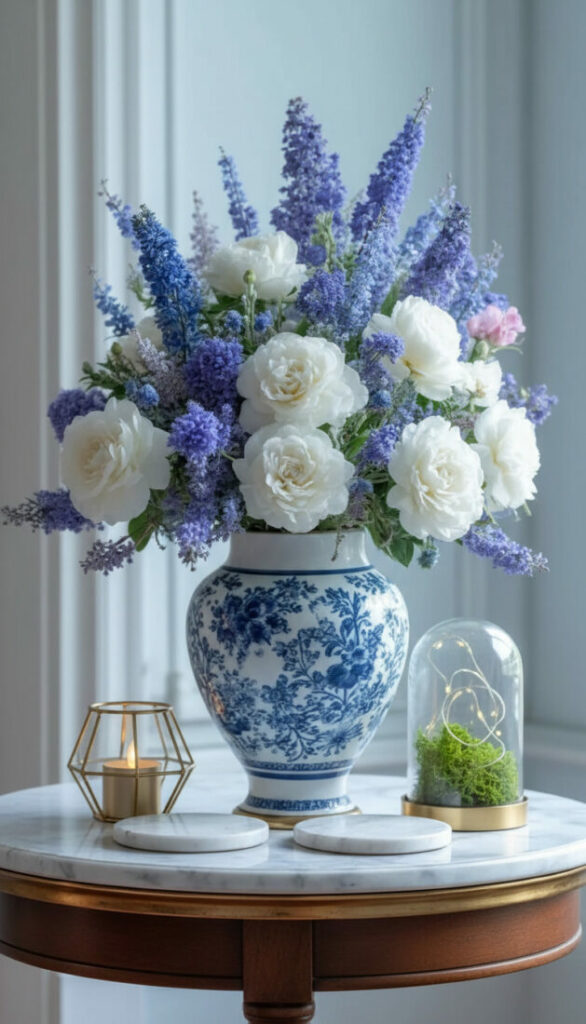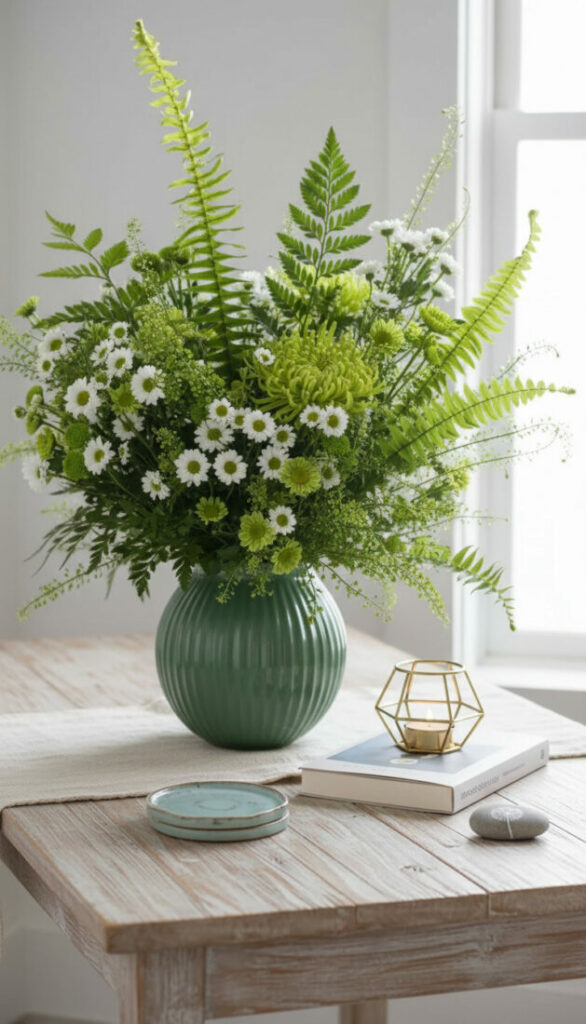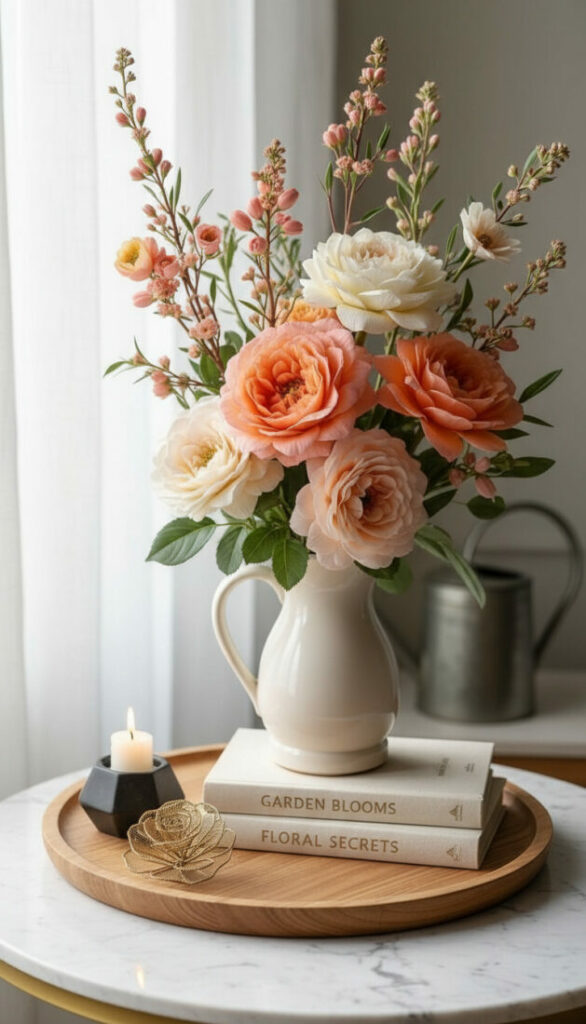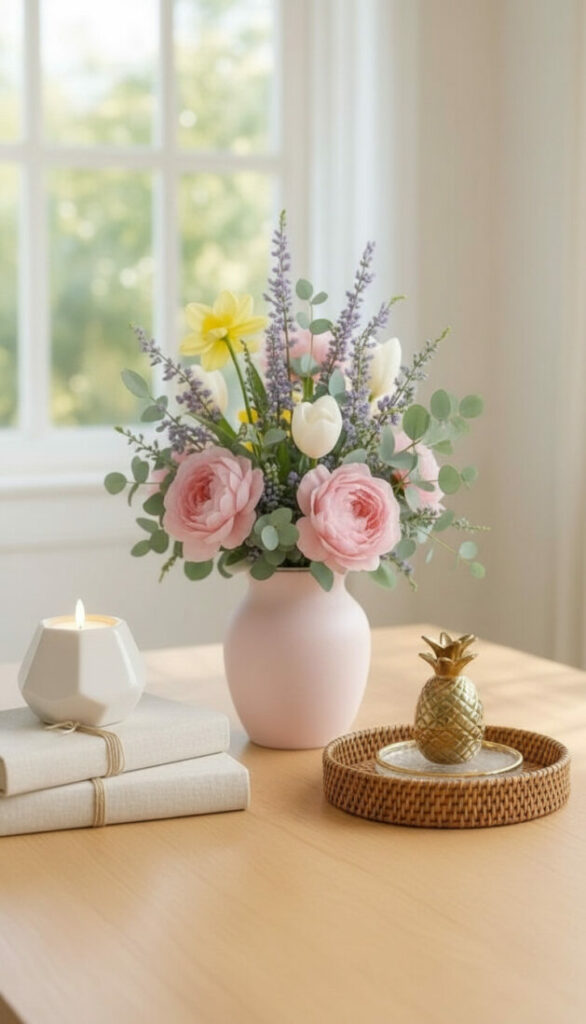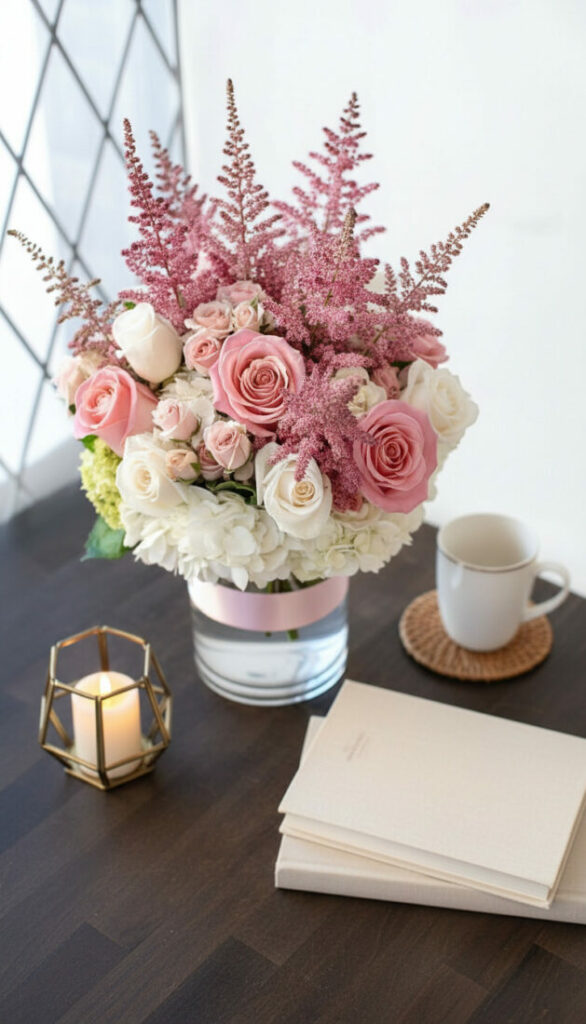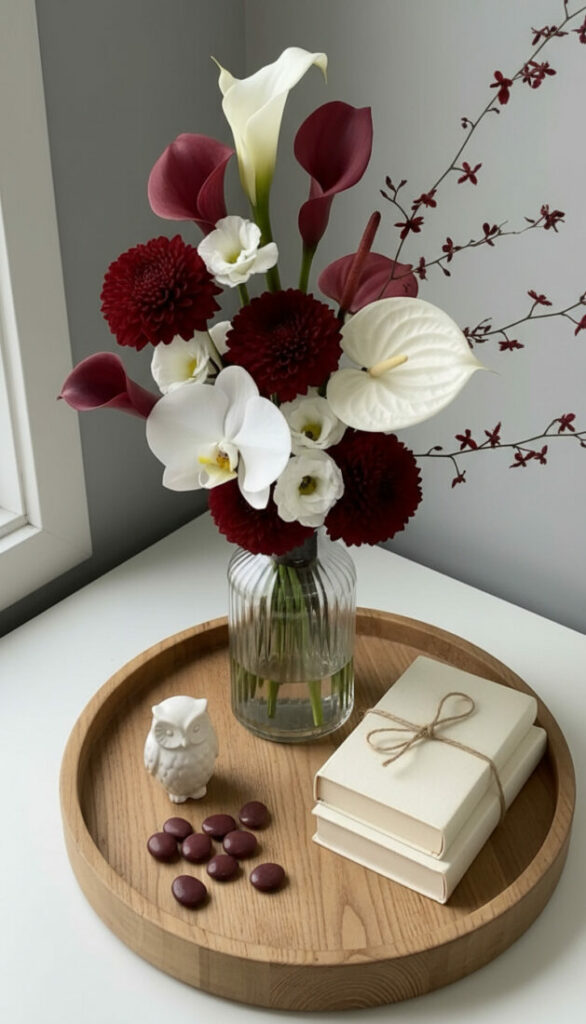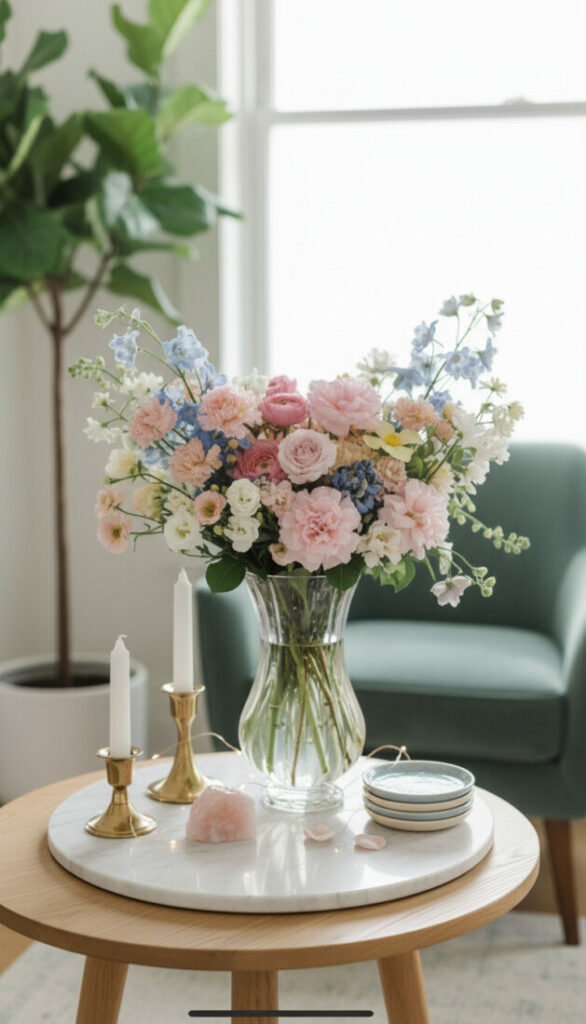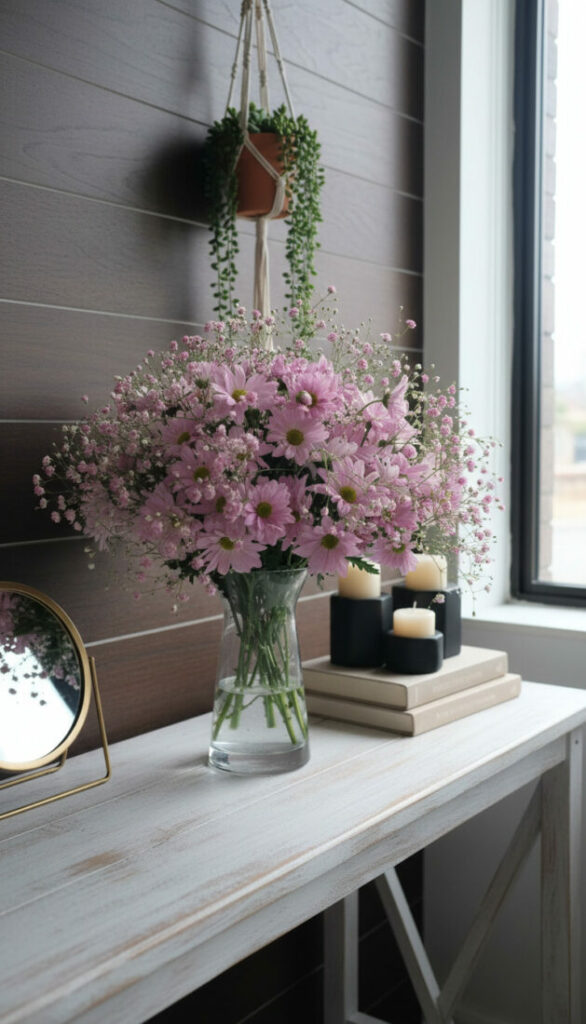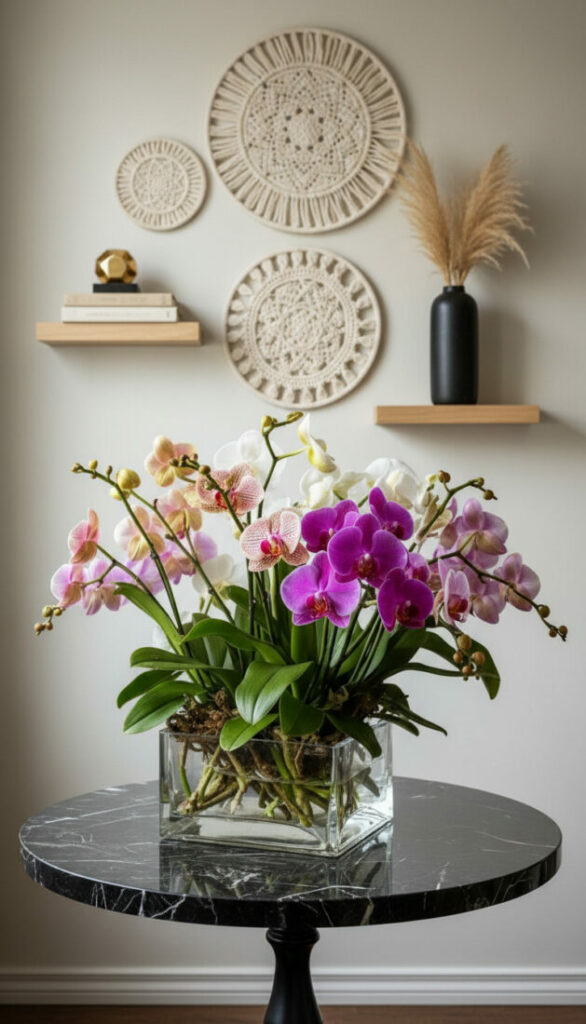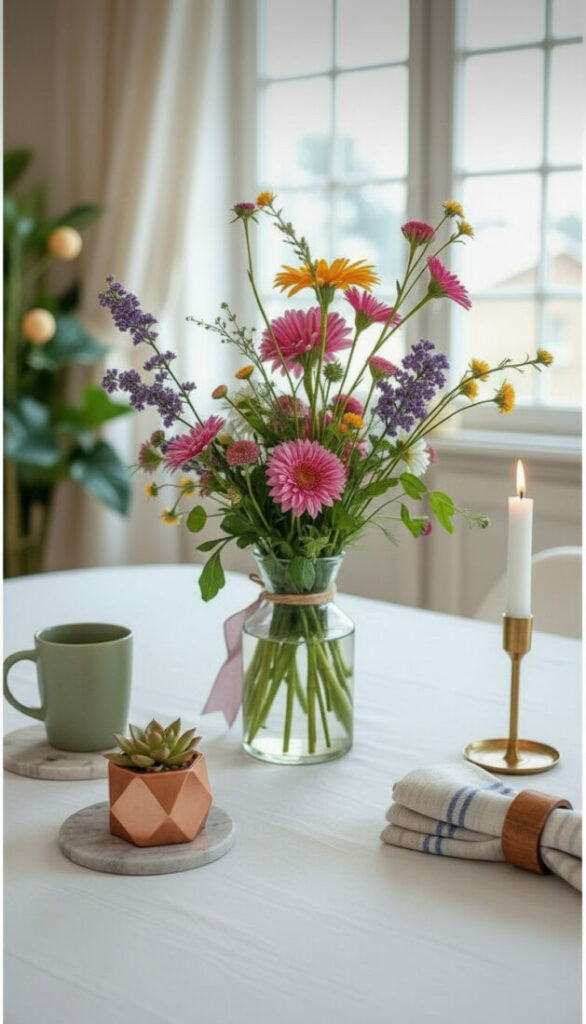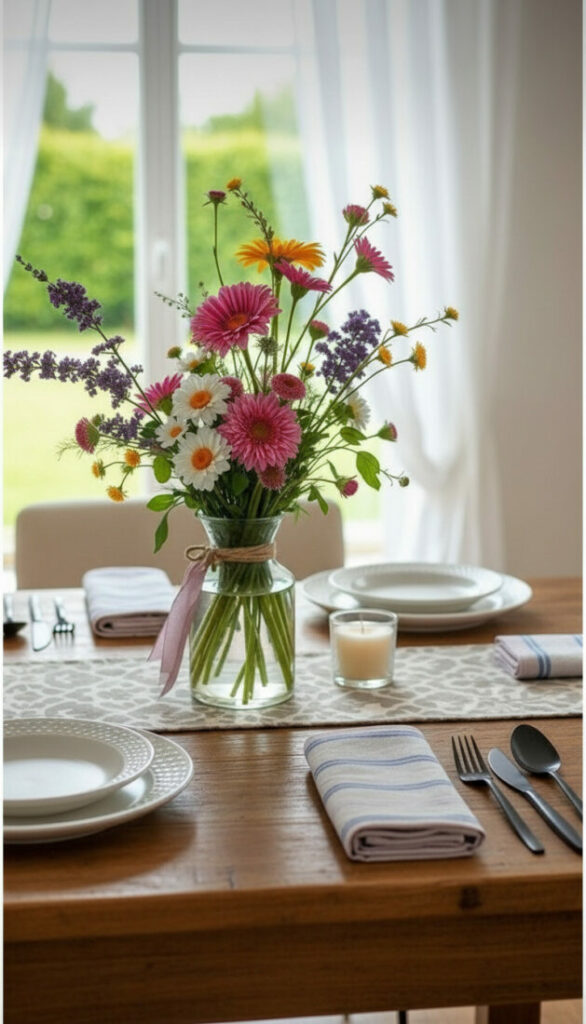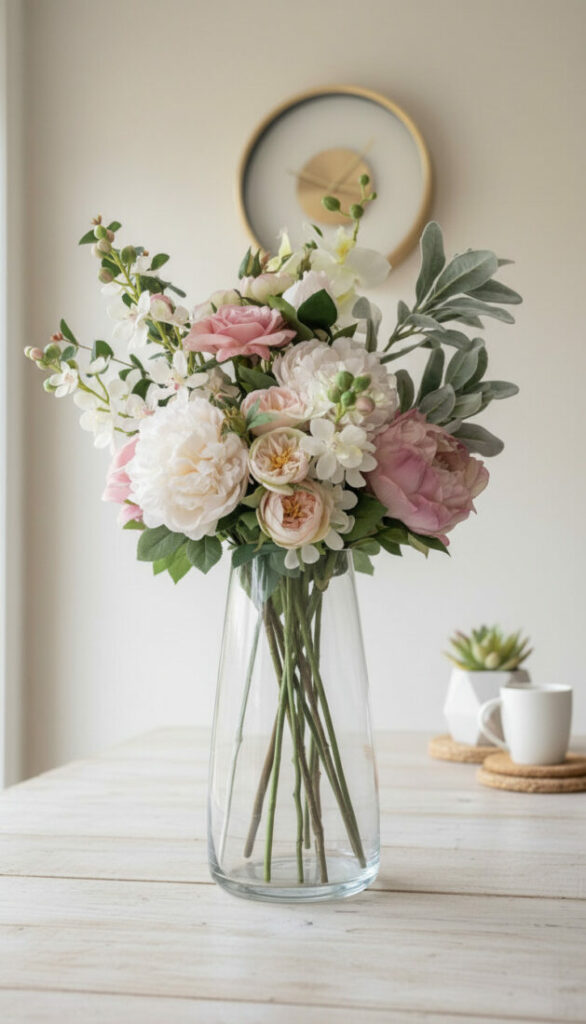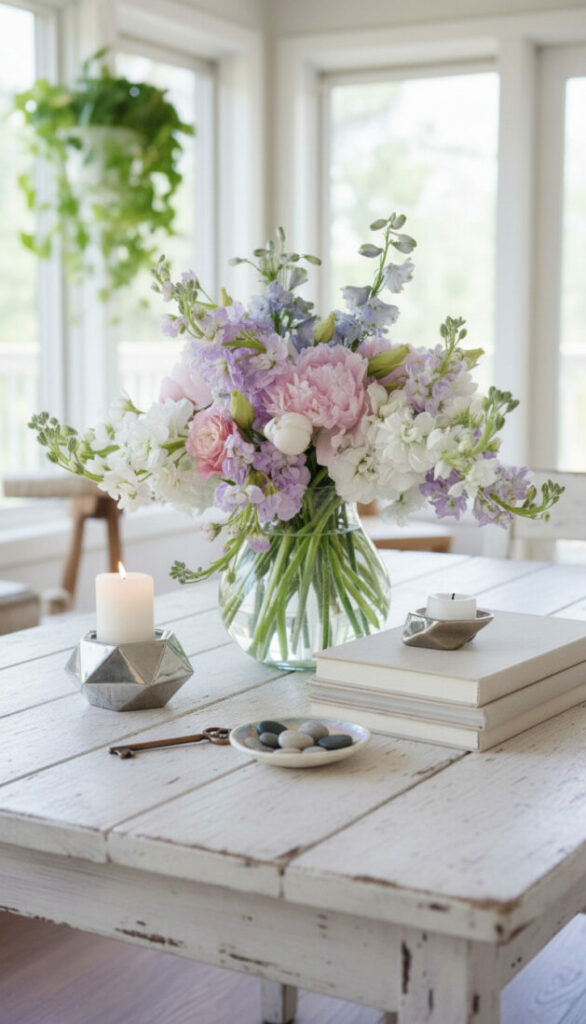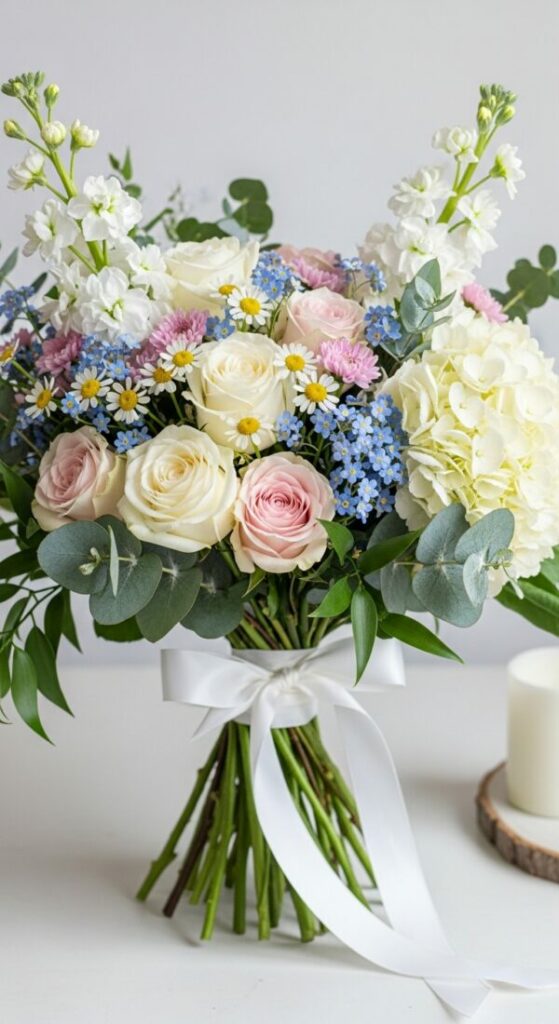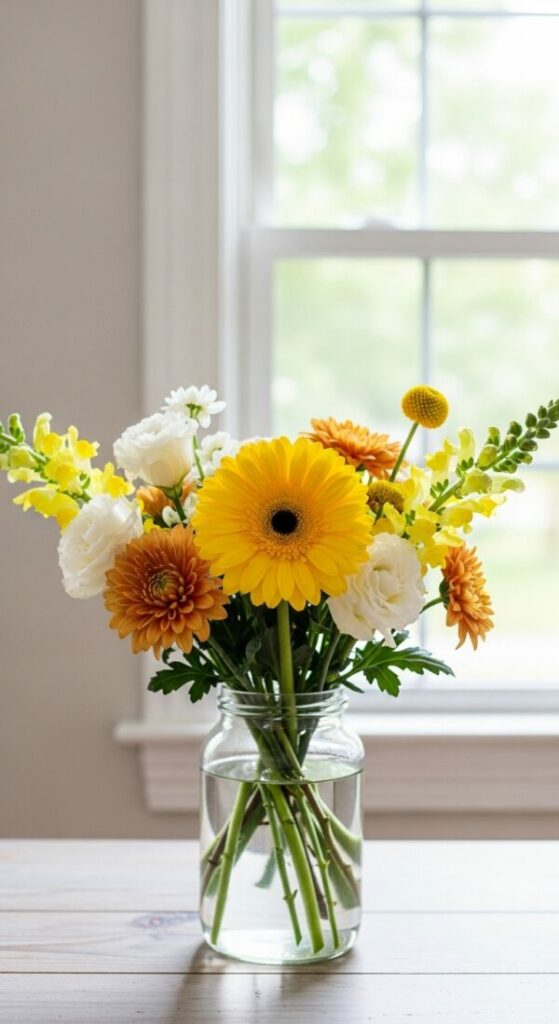
Exploring creative flower arrangement ideas transforms any room instantly with color and life. Fresh blooms bring a sense of nature and luxury to dull spaces.
You do not need to be a professional florist to create stunning displays. With a few basic tools, anyone can master the art of floral design.
Apply the Rule of Thirds
Balance is crucial in successful floral design techniques. Avoid cutting all stems to the exact same length.
Vary the heights to create dynamic visual interest. Ideally, the arrangement should be one and a half times the height of the container.
Embrace Monochromatic Schemes
Using a single color palette creates a sophisticated, high-end look. It forces the eye to focus on texture rather than color contrast.
Monochromatic arrangements feel modern and chic. Try grouping white roses, hydrangeas, and tulips together.
Master the Tape Grid Hack
Wide-mouthed vases make it difficult to keep stems upright. Flowers often flop to the sides, leaving a hole in the center.
Create a grid across the opening using waterproof floral tape. This structure supports stems and ensures even distribution.
Utilize Floral Frogs
Foam is not the only way to secure flowers. A metal pin holder, or Kenzan, is eco-friendly and reusable.
Place it at the bottom of your vessel for Ikebana style designs. It holds heavy stems firmly in place.
Incorporate Foraged Greenery
You do not need to buy expensive fillers from a shop. Look to your own backyard for unique texture.
Branches, ferns, or filler greenery act as excellent additions. They add a natural, organic shape to the bouquet.
Group by Flower Type
Instead of mixing everything, group identical flowers together in clusters. This creates bold blocks of color that look very modern.
Place all tulips on one side and roses on the other. It is a striking approach to centerpiece designs.
Use Bud Vases
Large arrangements can be intimidating and expensive to fill. Sometimes less is truly more in design.
Scatter single stems in multiple small bottles down a table. This creates a light, airy look perfect for tablescapes.
Create a Spiral Bouquet
The spiral technique is a professional skill for hand-tied bouquets. It makes the arrangement look full and rounded.
Layer stems at an angle, turning the bunch as you go. This serves as the foundation for wedding flowers.
Strip the Leaves
Leaves left below the water line rot quickly. This bacteria kills your flowers faster.
Remove all foliage from the lower stems. Proper fresh flower maintenance keeps water clean and clear.
Choose the Right Vase
The container dictates the shape of the arrangement. A tall cylinder encourages vertical growth, while a bowl encourages width.
Strategic vase selection is half the battle. Match the vessel to the flower’s natural stem length.
Add Fruit for Texture
Flowers pair beautifully with organic produce. It adds an unexpected element of surprise.
Add sliced lemons to a clear vase or use pomegranates in autumn. This adds color and unique seasonal blooms vibes.
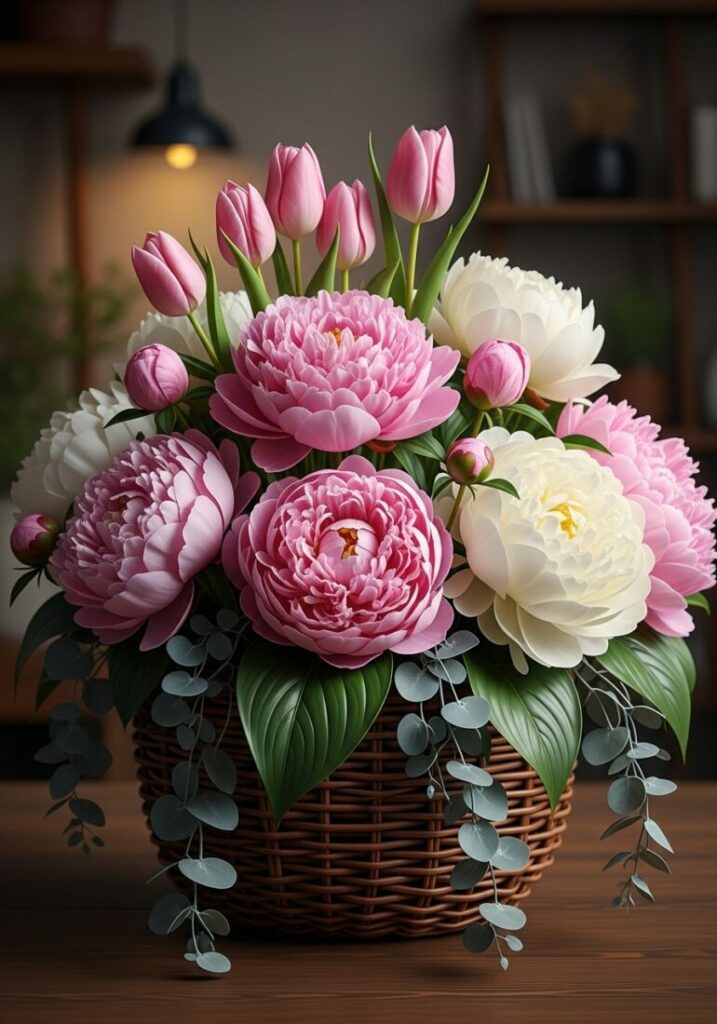
Focus on a Statement Bloom
Every arrangement needs a star of the show. Too many focal points create visual confusion.
Choose large focal flowers like peonies or dahlias. Build the rest of the design around them.
Try a Wrapped Bouquet
Sometimes the wrapping is part of the display. Brown kraft paper adds a rustic charm.
Wrap loose stems in paper and tie with twine. These rustic bouquets make excellent gifts.
Use Dried Elements
Fresh flowers are fleeting, but dried items last for months. Mixing them creates interesting texture contrast.
Combine fresh roses with dried flower arrangements like bunny tails. It creates a trendy, boho aesthetic.
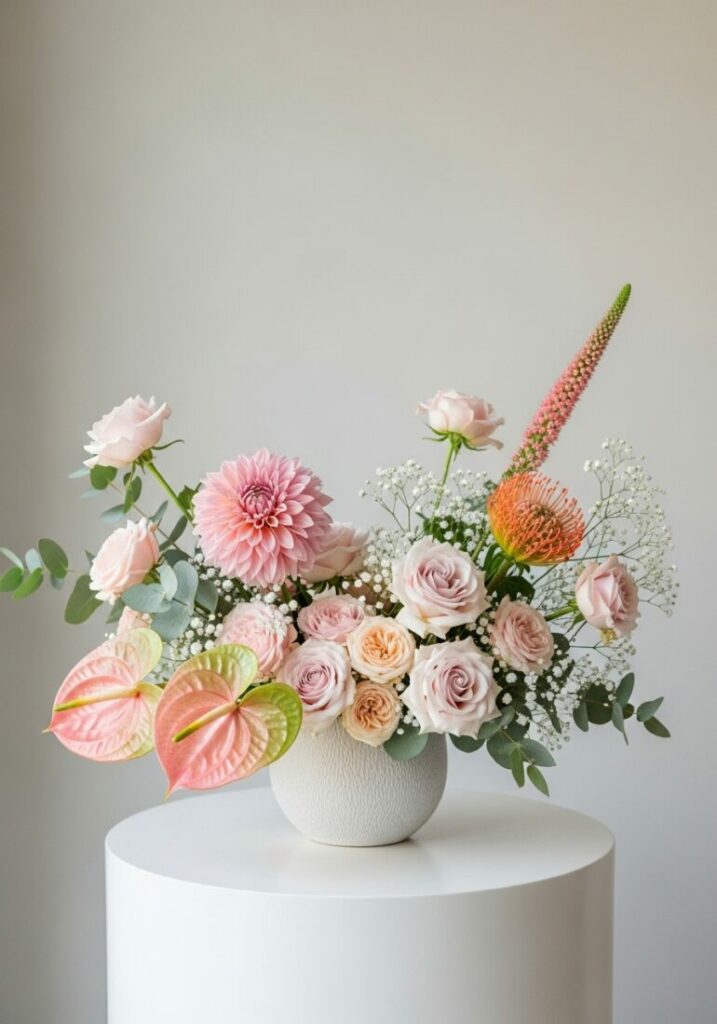
Play with Asymmetry
Perfect symmetry can feel stiff and formal. Nature grows in wild, irregular patterns.
Allow one side to extend longer than the other. This movement is key in wildflower styling.
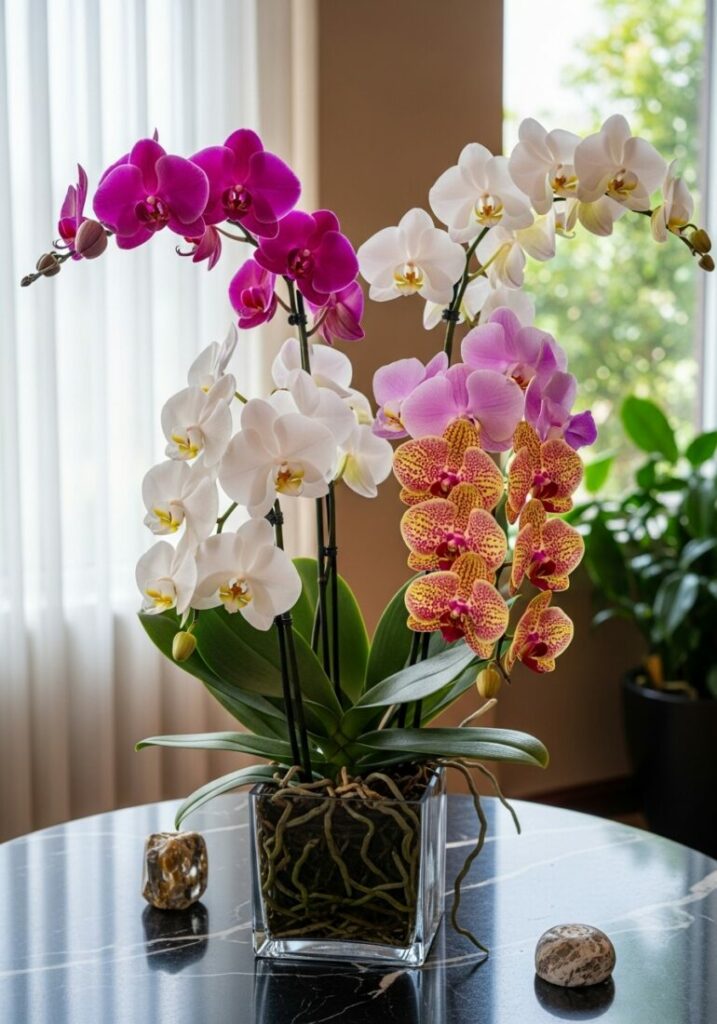
Submerge the Flowers
For a modern, sculptural look, place flowers entirely underwater. This works well with sturdy blooms like orchids.
Use a cylinder vase and weigh the stem down. It magnifies the petals visually.
Use Color Theory
Understanding the color wheel helps you choose complementary blooms. Opposites create vibrancy, while neighbors create harmony.
Apply basic color theory to your flower choices. Pair blue hydrangeas with orange ranunculus for pop.
Cut Stems at an Angle
Flat cuts sit flush against the bottom of the vase. This prevents the flower from drinking water.
Always cut stems at a 45-degree angle. This is rule number one in flower care tips.
Create Low Centerpieces
Tall arrangements block conversation across the dinner table. Guests should not have to crane their necks.
Keep dining designs low and sprawling. This encourages connection over minimalist floral decor.
Repurpose Household Items
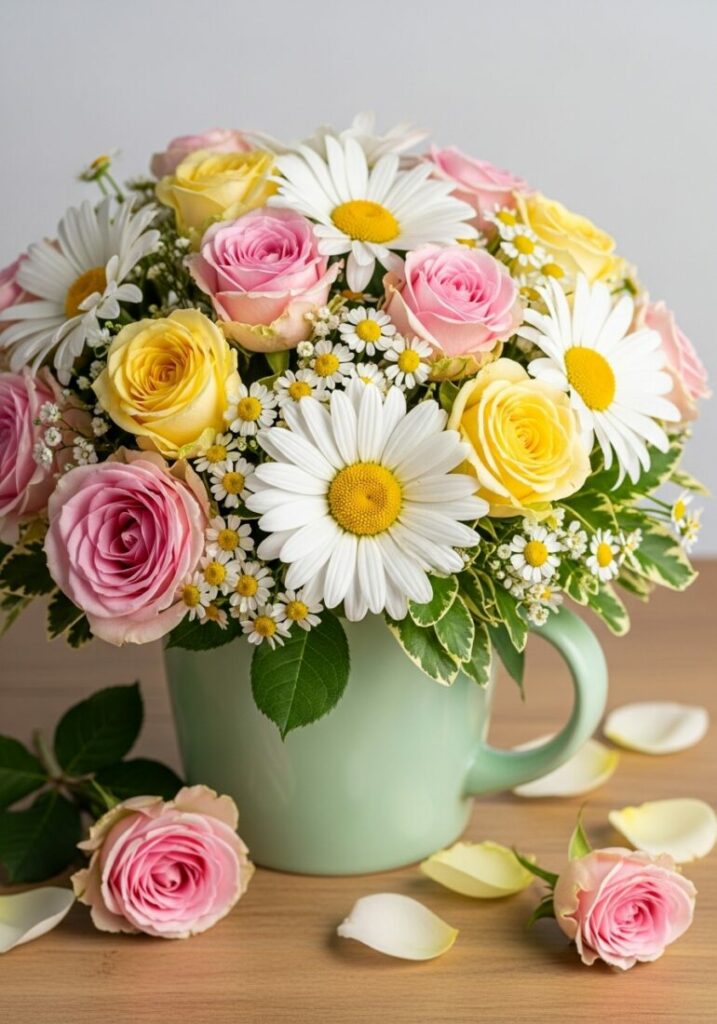
You do not always need a standard vase. Look around your kitchen for unique vessels.
Use teapots, mason jars, or tin cans. This supports sustainable floristry by reusing what you own.
Add Height with Branches
Flowers alone can lack vertical drama. Branches add structure and scale to large rooms.
Incorporate cherry blossoms or curly willow. These become statement floral pieces in an entryway.
Float the Blooms
broken stems are not garbage. You can still save the head of the flower.
Float the heads in a shallow bowl of water. It makes a lovely, simple accent.
Use a Compote Bowl
A footed bowl elevates the flowers off the table. It allows stems to drape elegantly over the sides.
Use paddle wire inside to secure the stems. This creates a classic, garden-style shape.
Mix Textures
A bouquet of only one texture can look flat. Contrast makes the design exciting.
Pair soft petals with spiky thistle or fuzzy dusty miller. Texture is vital in DIY floral arranging.
Force Bulbs Indoors
Bring spring inside during the winter months. Growing bulbs in glass is fascinating to watch.
Place paperwhites or hyacinths in shallow water with stones. Roots become part of the decor.
Leaf Wrapping Inside Vase
Visible stems in clear water can sometimes look messy. Hiding them creates a polished, professional look.
Line the inside of the vase with a large tropical leaf. It conceals the murky water.
Use Artificial Water
Faux flowers often look fake because the vase is empty. Adding a water illusion helps realism.
Use acrylic water resin to set permanent stems. It mimics the look of fresh water perfectly.
Condition Your Flowers
Do not arrange immediately after cutting. Flowers need to hydrate first to stand up straight.
Let them drink in a bucket for a few hours. This is a pro secret.
Change Water Daily
Bacteria is the enemy of fresh flowers. Cloudy water smells bad and kills blooms.
Refresh the vase water every single day. Using flower food packets helps your arrangement last twice as long.
Bringing Nature Home
Arranging flowers is a meditative practice. It connects you to the seasons and nature. Experiment with these techniques to find your unique style. Beauty is found in the process.
Buy a cheap bouquet and practice one technique. You will improve with every attempt. Fill your home with joy and fragrance.