
A luxury minimalist pantry is the ultimate status symbol for the modern culinary enthusiast. It is no longer just a closet for cereal boxes. It has evolved into a sanctuary of order.
In contemporary home design, the kitchen is the stage. The pantry is the backstage. However, in a luxury home, the backstage must be as beautiful as the stage.
This guide explores the intersection of high-end aesthetics and rigorous functionality. We will move beyond simple wire racks.
We will discuss bespoke joinery. We will analyze the psychology of “visual silence.” We will teach you how to curate a space that brings joy every time you open the door.
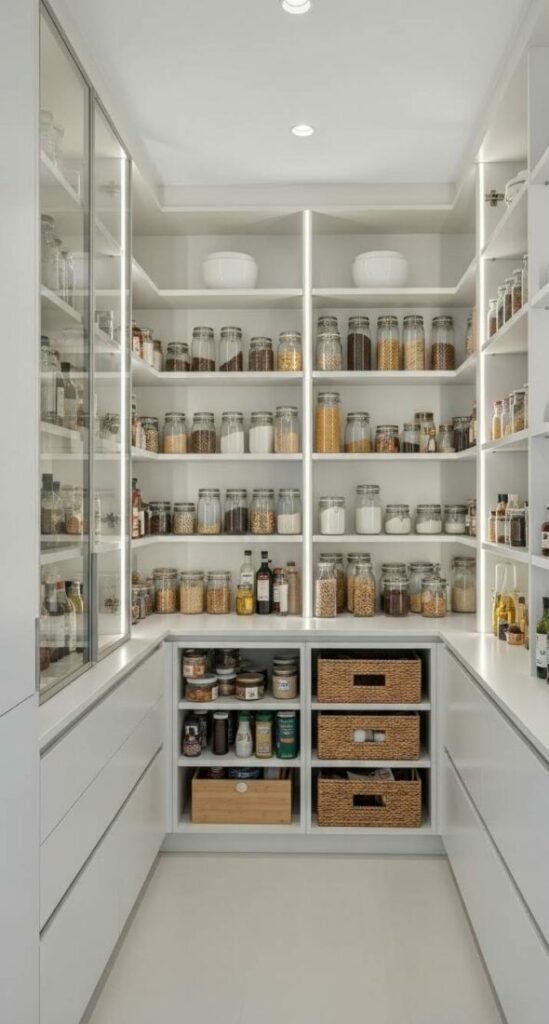
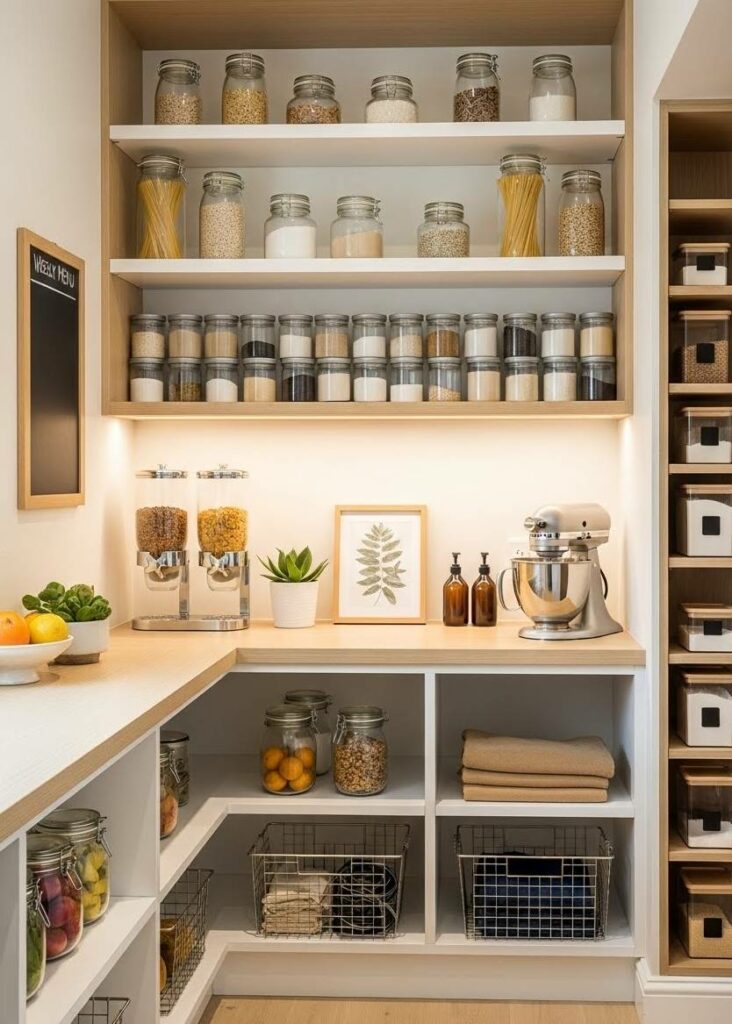
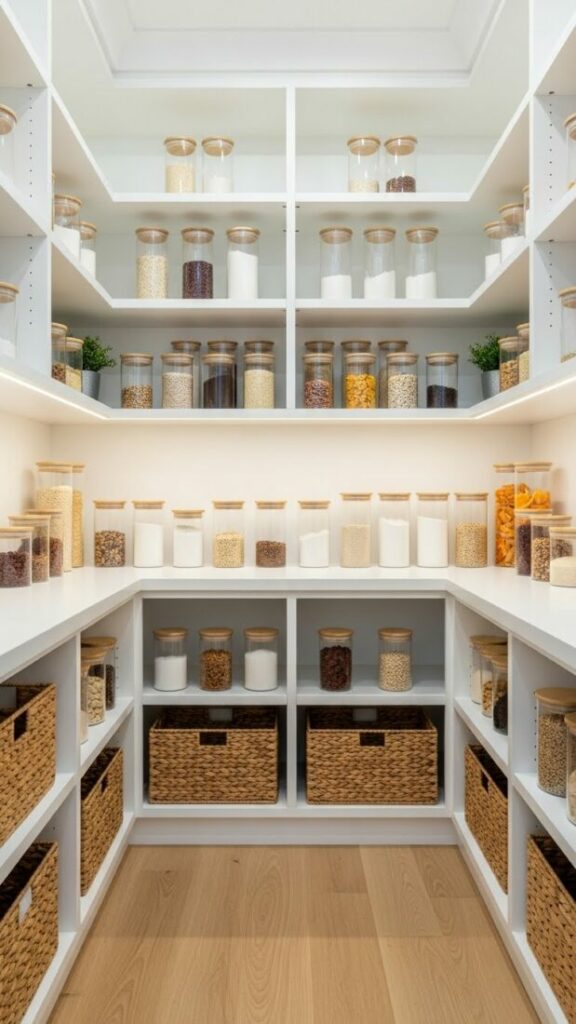
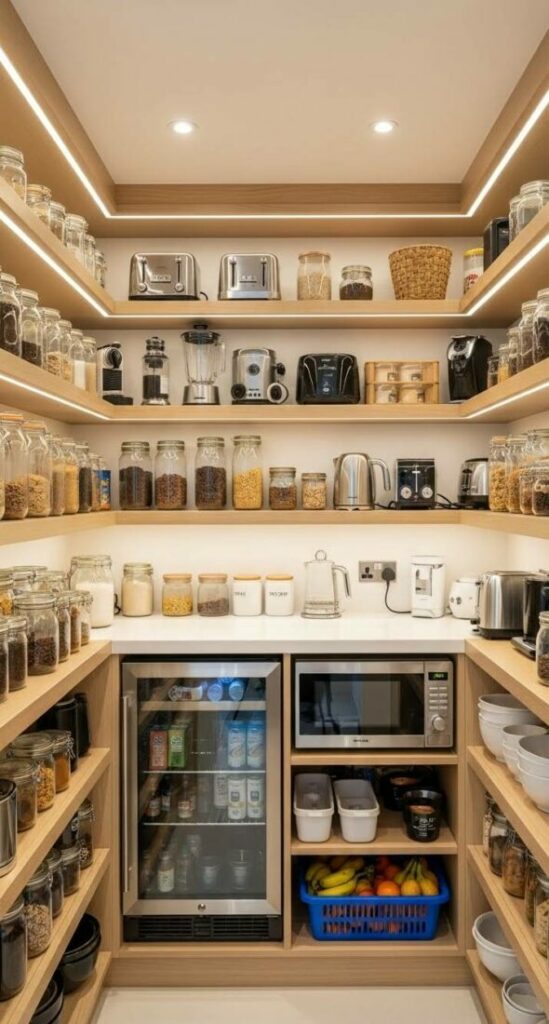
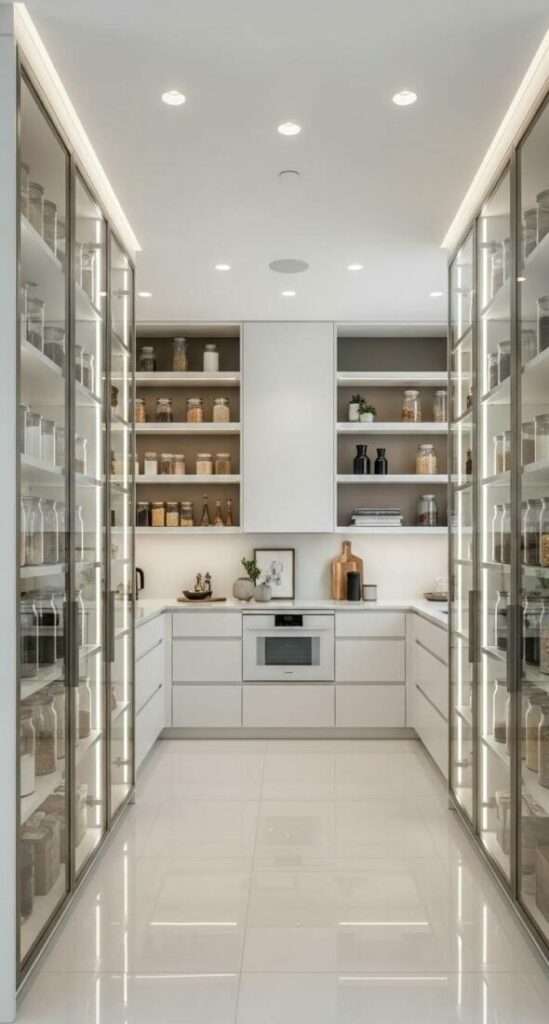
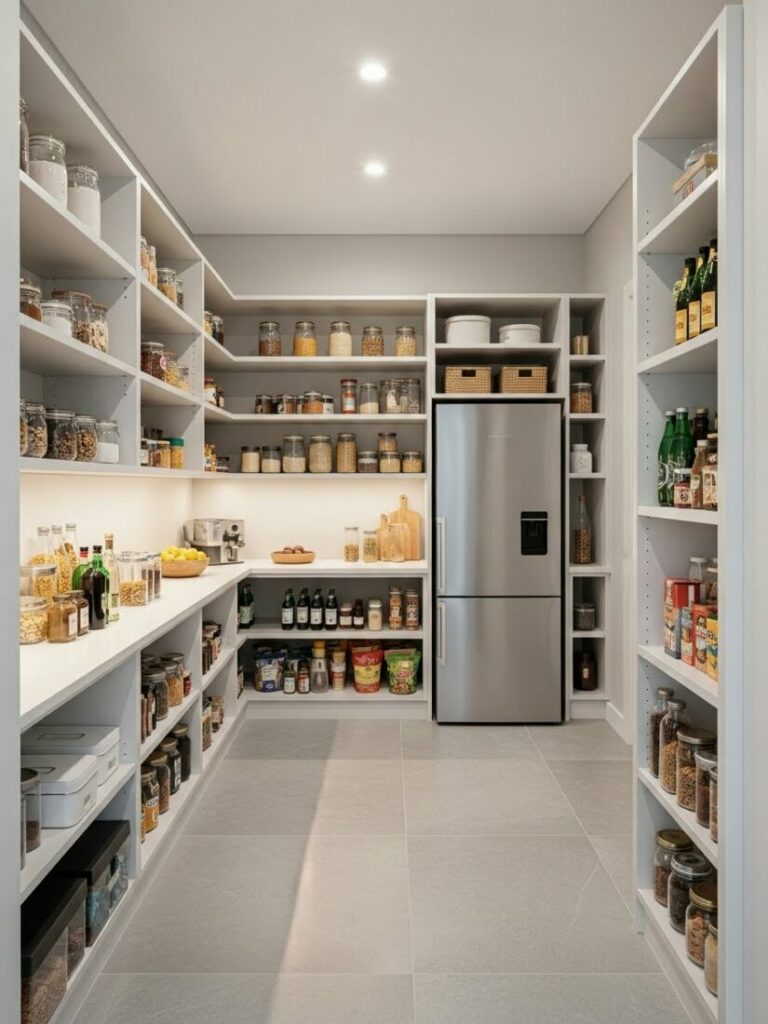
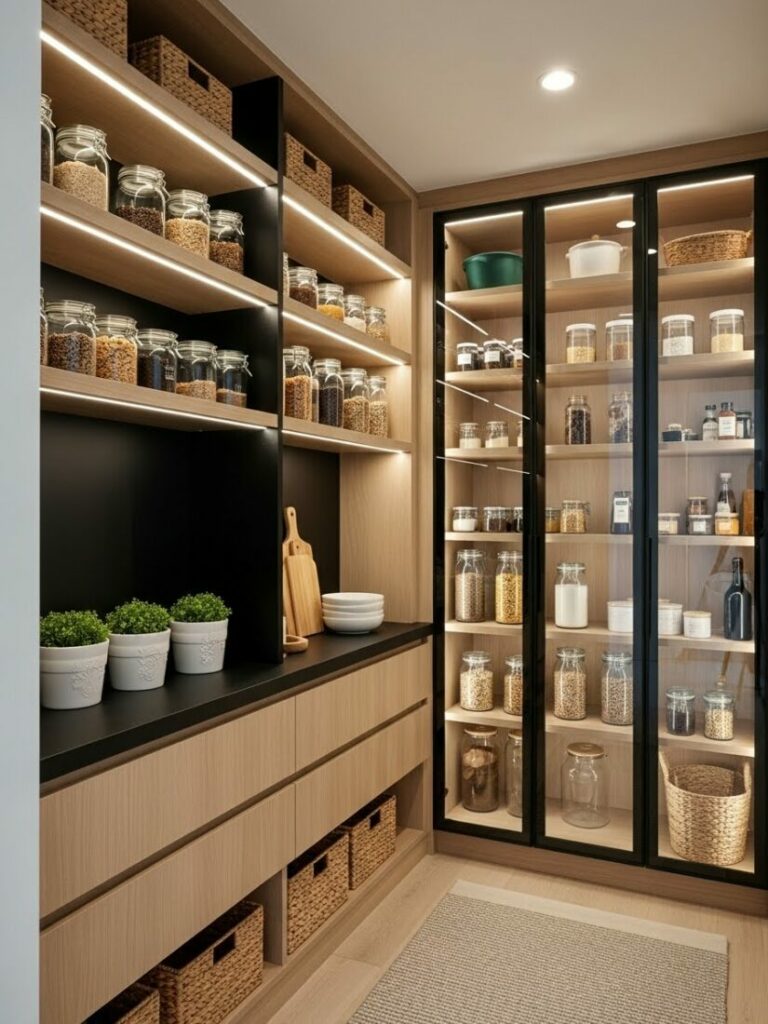
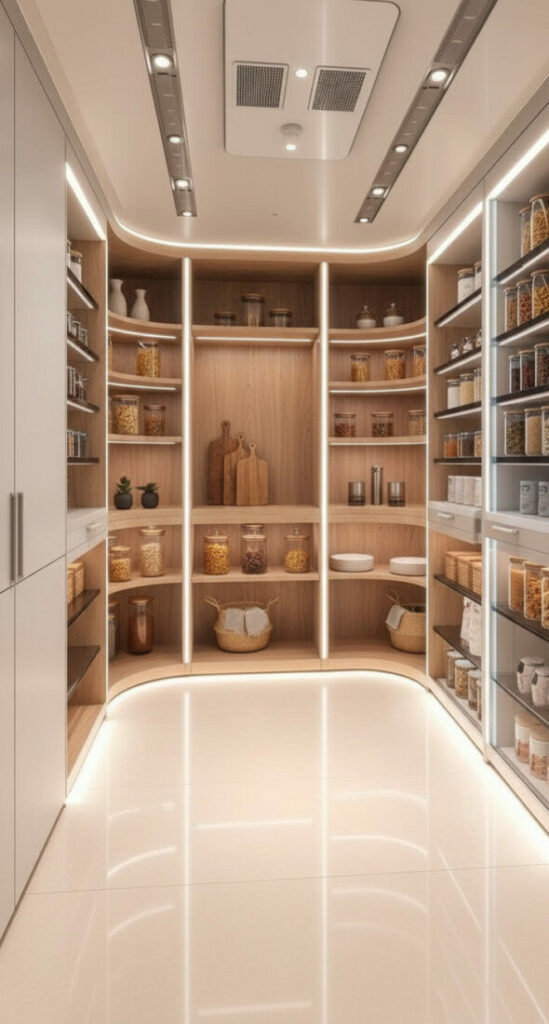
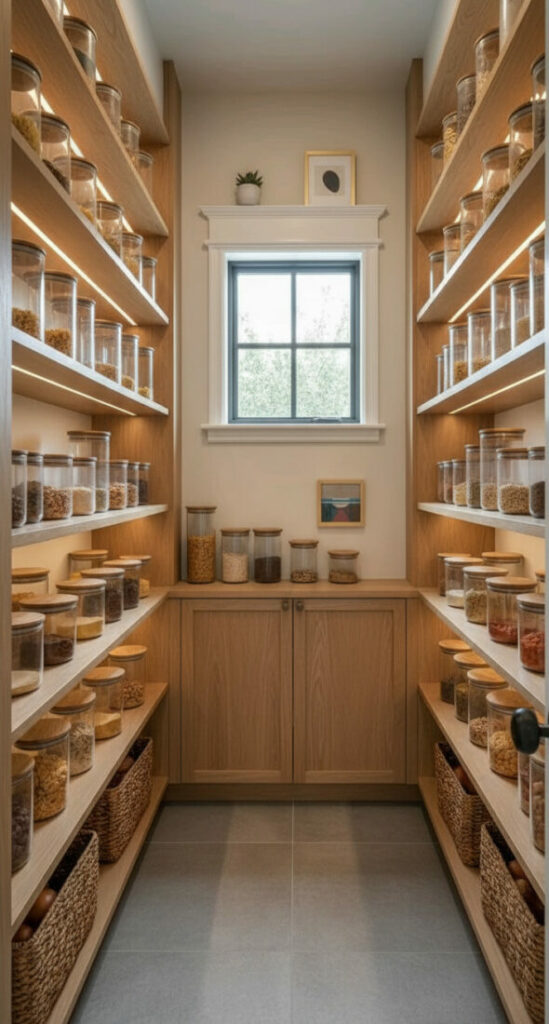
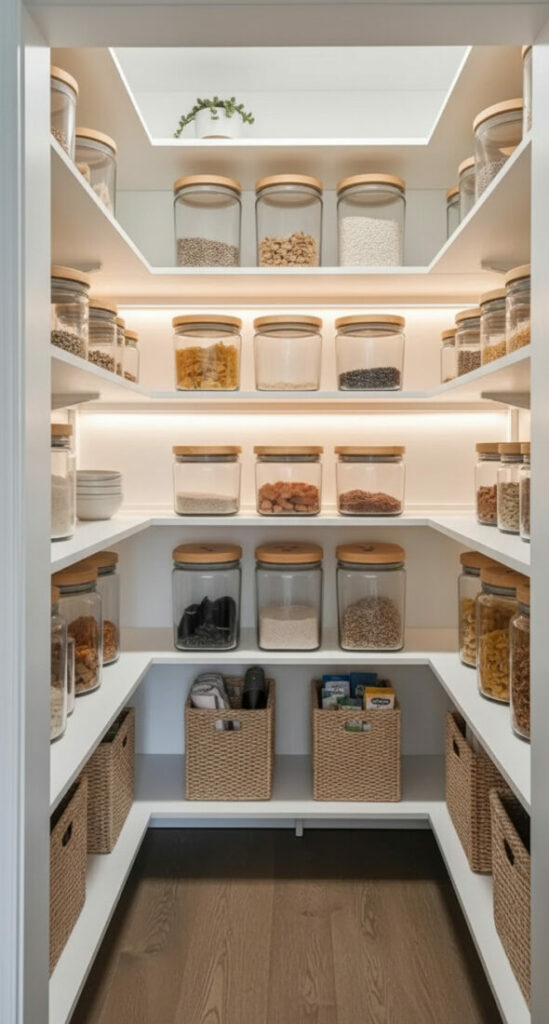
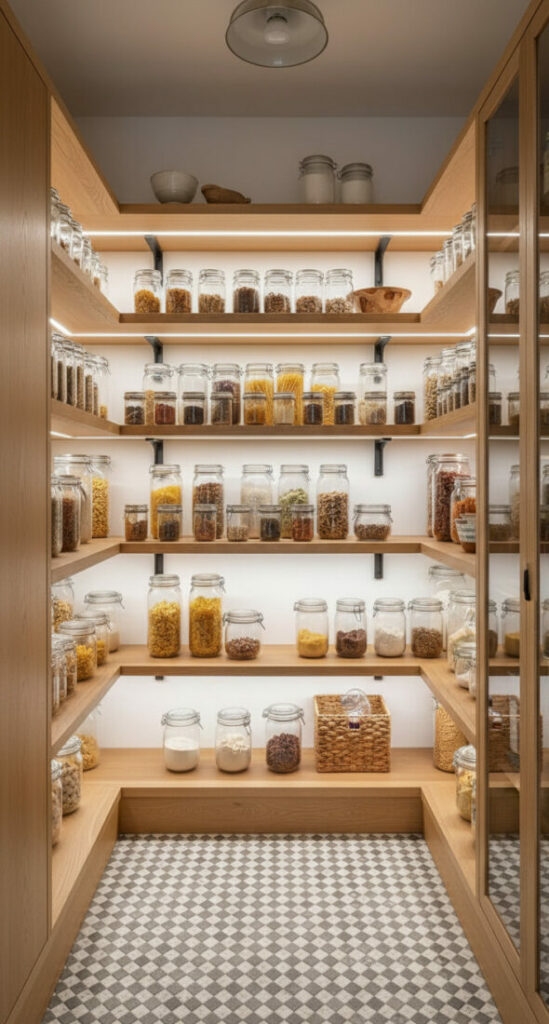
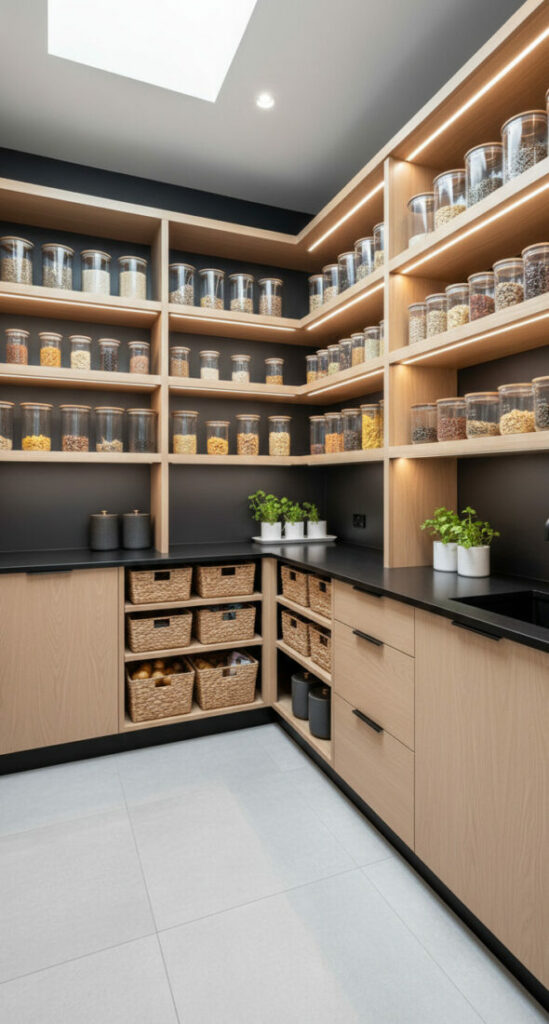
The Philosophy of Visual Silence
To understand the luxury minimalist pantry, you must understand the concept of visual silence. Our lives are loud. Our homes should be quiet.
Visual noise comes from clutter. It comes from clashing colors of brand packaging. A bright red cereal box next to a blue pasta box creates static.
Minimalism removes this static. Luxury adds the quality. It is not about having an empty pantry. It is about having a curated one.
Every item must earn its place. Everything else is hidden. The goal is a sense of immediate calm when you enter the space.
Architecture: The Walk-In vs. The Cabinet
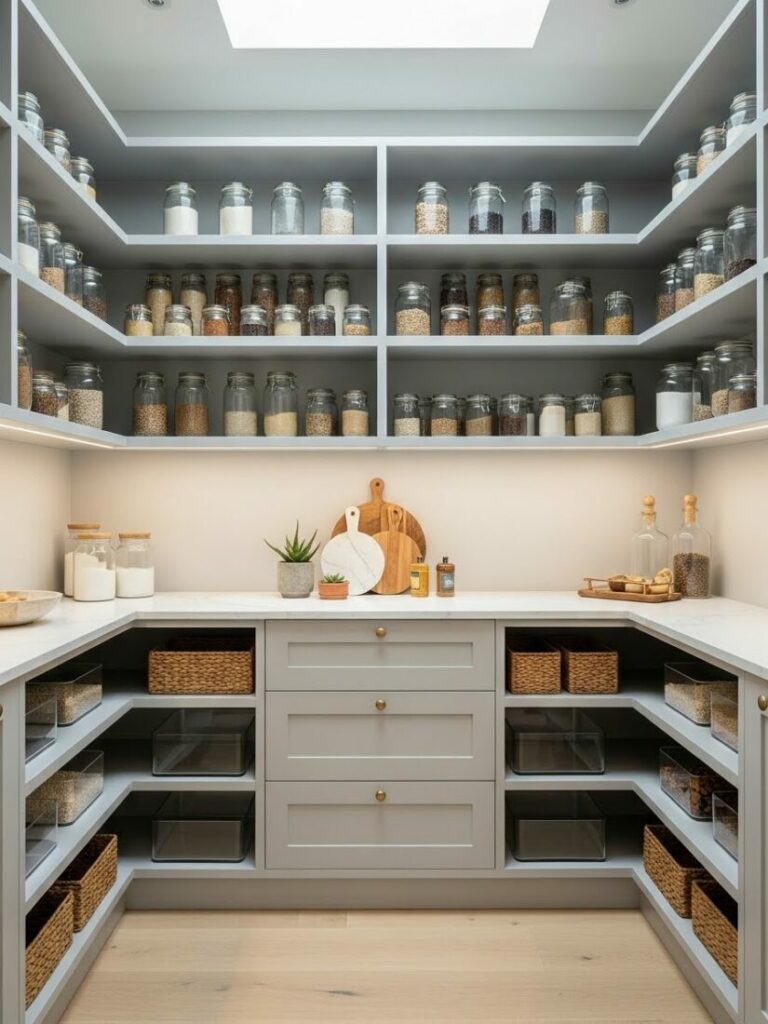
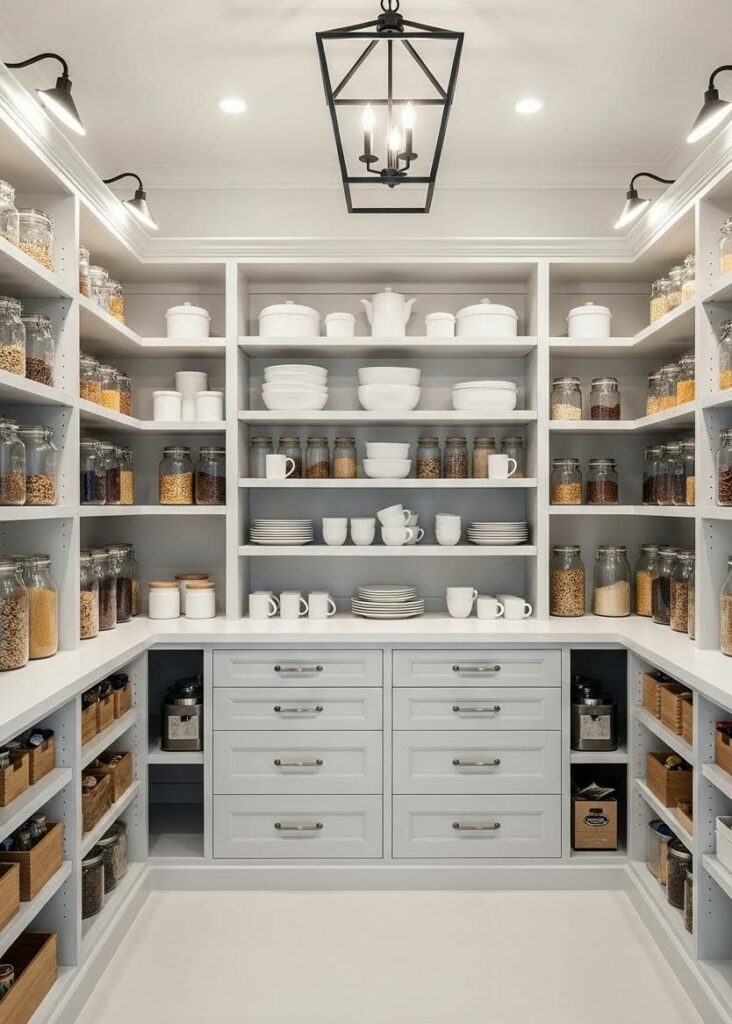
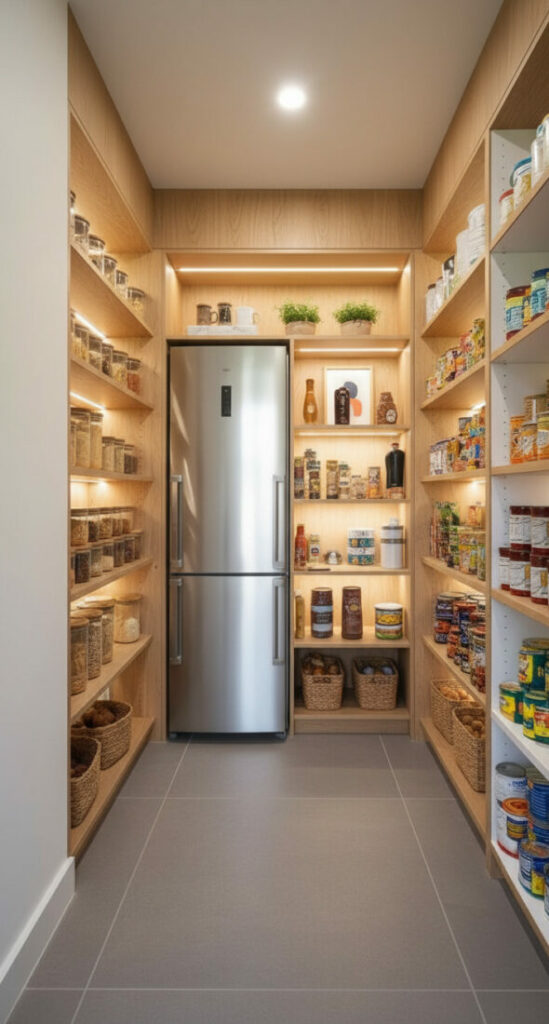
The structure defines the possibilities. Most luxury homes feature a walk-in scullery. This is a room within a room.
The Butler’s Pantry:
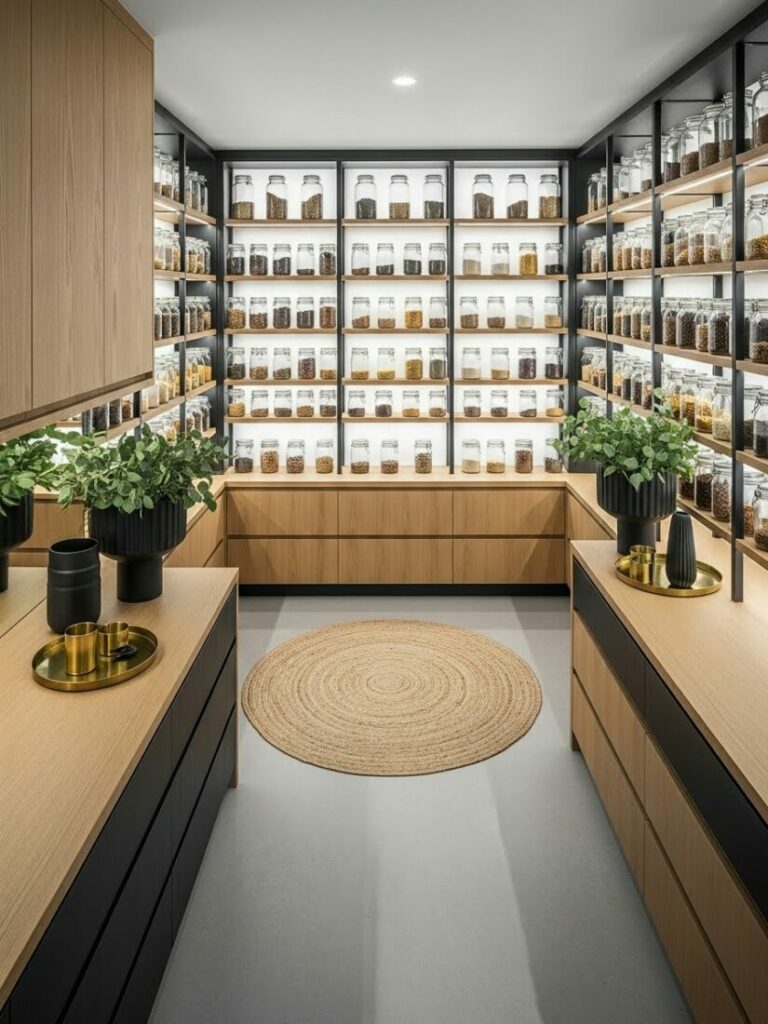
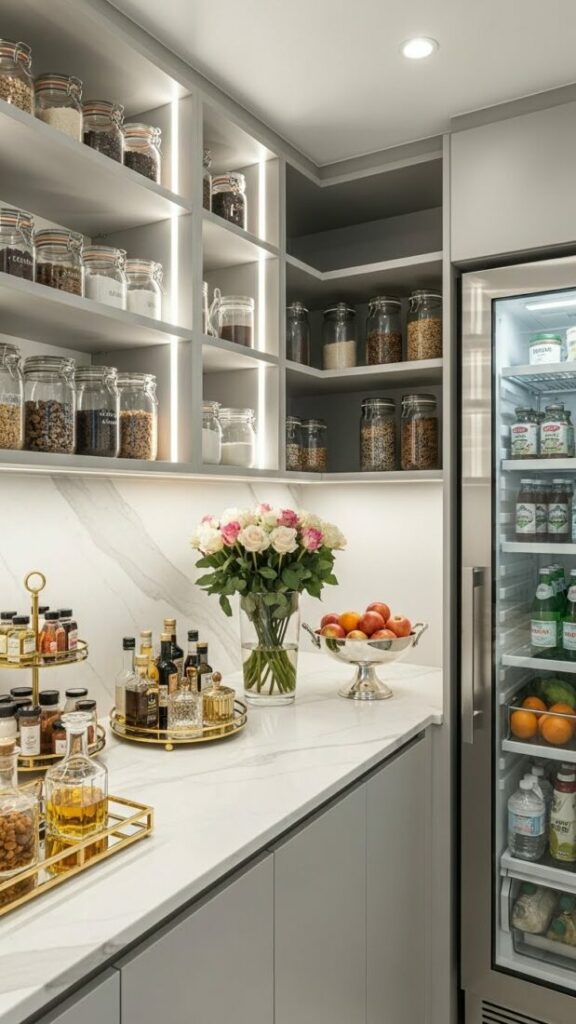
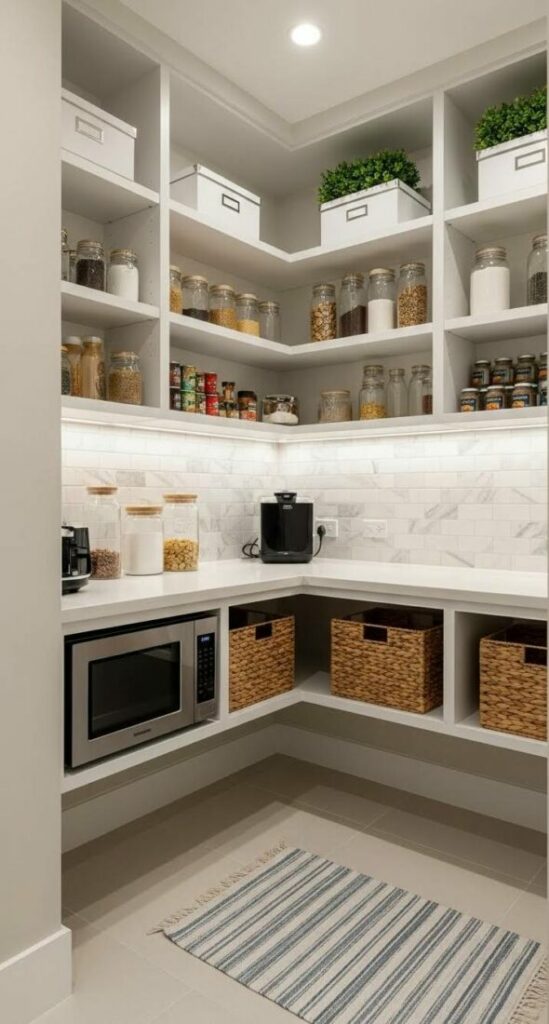
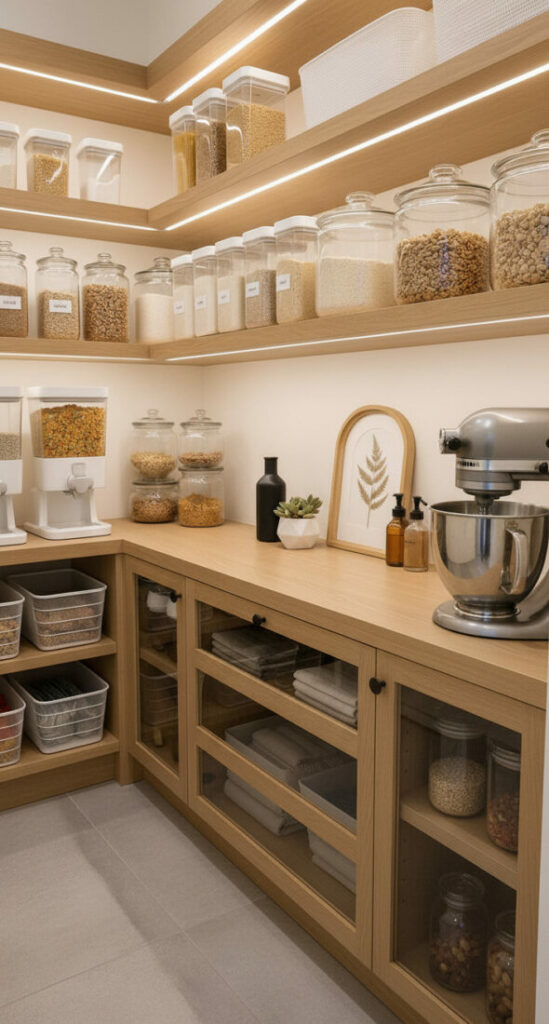
This is the gold standard. It includes counter space. It often has a second dishwasher or a wine fridge. It allows you to prep food out of sight.
Here, minimalism is achieved through cabinetry. You hide the appliances behind pocket doors. You keep the countertops clear of debris.
The Integrated Cabinet:
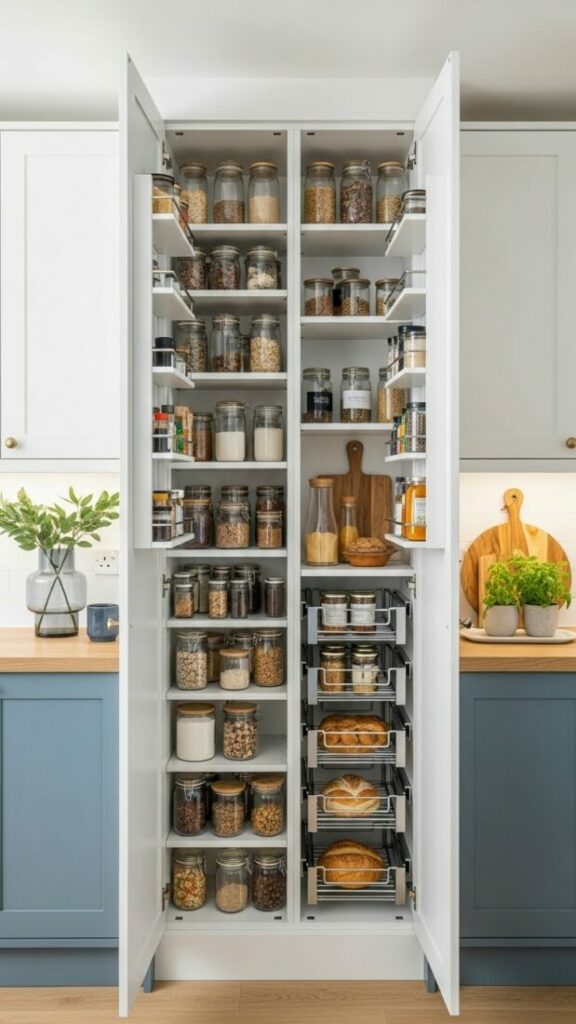
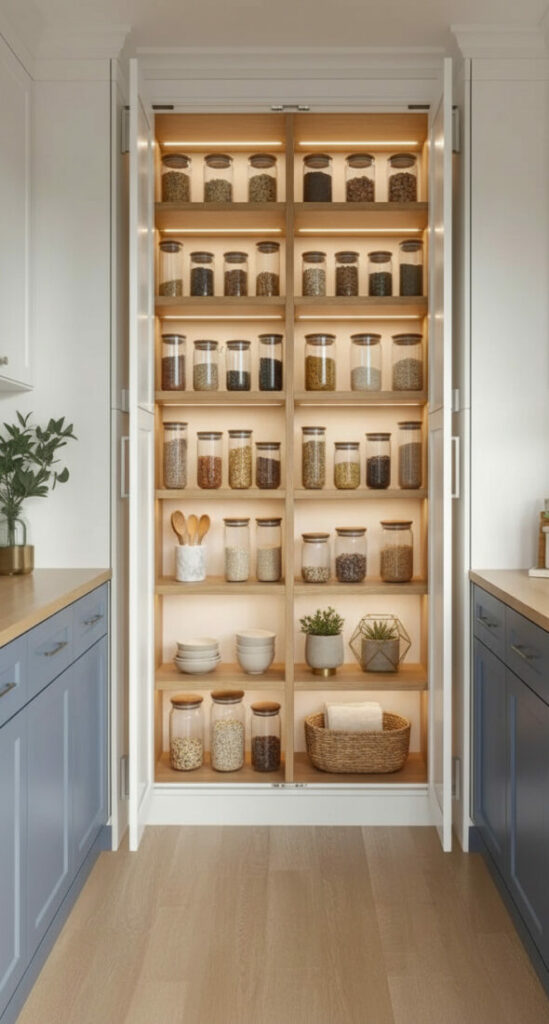
If space is limited, you build up. Floor-to-ceiling cabinetry creates a “pantry wall.” The luxury comes from the internal hardware.
Doors should slide or fold away. Internal drawers must be solid wood, not wire. The motion should be silent and soft-closing.
Materiality: Texture Over Color
In a minimalist space, you lack decoration. Therefore, the materials must be the decoration. This is where the budget goes.
Natural Wood Tones:
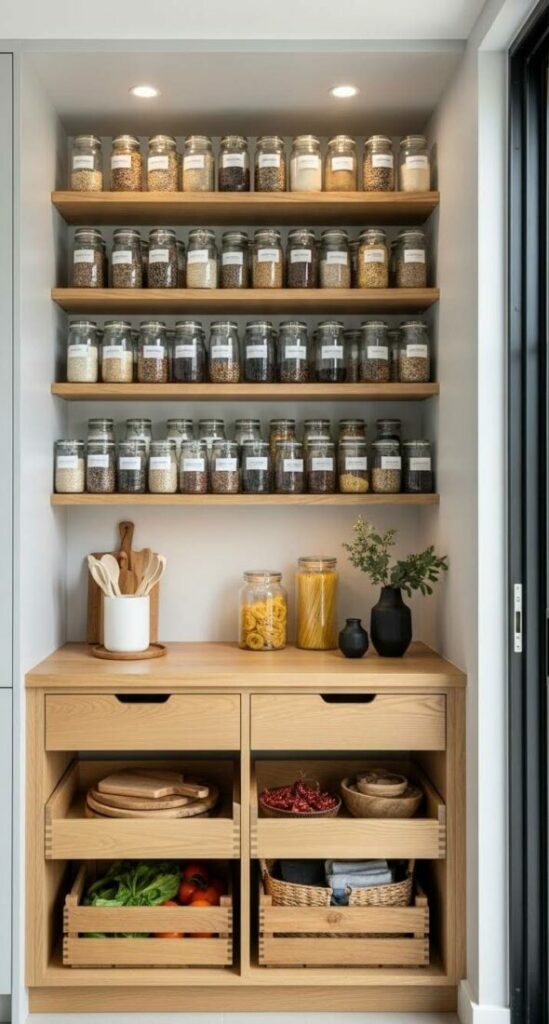
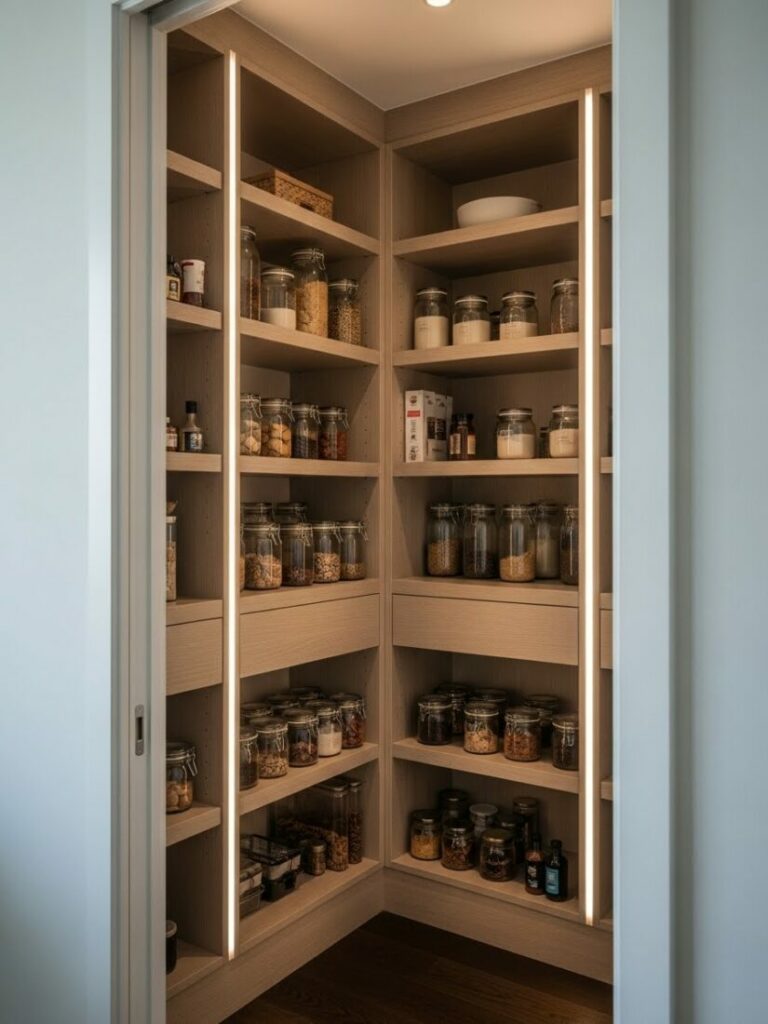
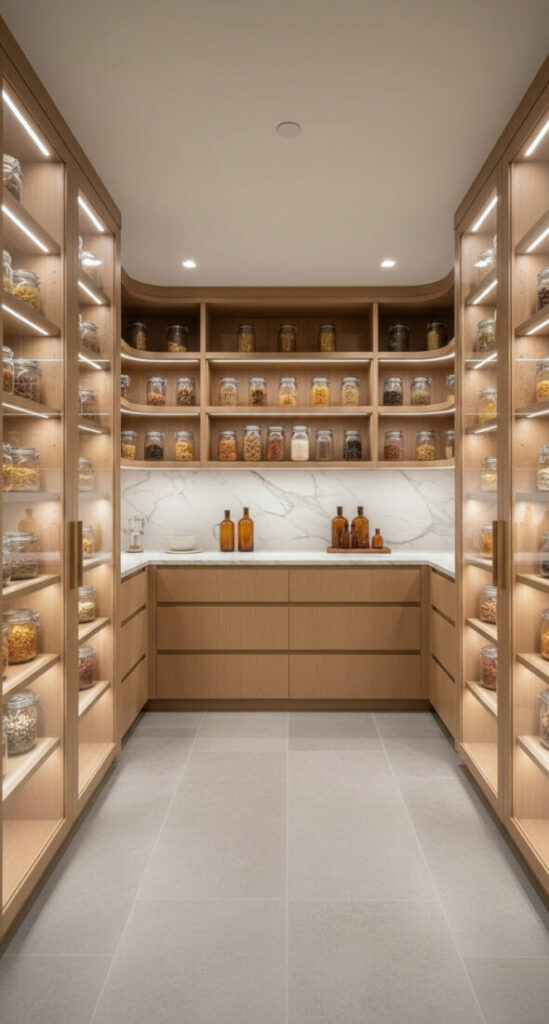
White oak is the current favorite. It is light, airy, and organic. It warms up the sterile white walls. Walnut offers a moodier, more masculine vibe.
Stone Surfaces:
If you have a counter, use marble or quartz. Continue the same stone from the main kitchen. This creates a seamless transition.
Glass and Metal:
Use reeded glass for cabinet doors. It obscures the contents slightly while reflecting light. Use matte black or brushed brass for handles.
The Art of Decanting
This is the most controversial yet essential part of a luxury minimalist pantry. You must decant. You must remove food from its original packaging.
Why? Because packaging is marketing. It is designed to scream at you. By moving pasta into a glass jar, you strip away the noise.
The Vessel Matters:
Do not buy cheap plastic tubs. Invest in high-quality borosilicate glass. Look for bamboo or acacia wood lids.
Square jars are more efficient than round ones. They sit flush against each other. They waste no shelf space. Uniformity is the key to the aesthetic.
Lighting: Illumination Architecture
A dark pantry is a cluttered pantry. If you cannot see it, you will buy a duplicate. Lighting prevents waste.
Sensor Lighting:
Install motion sensors. The light should welcome you as you open the door. It feels magical. It is practical hygiene (no touching switches with floury hands).
Integrated LED Strips:
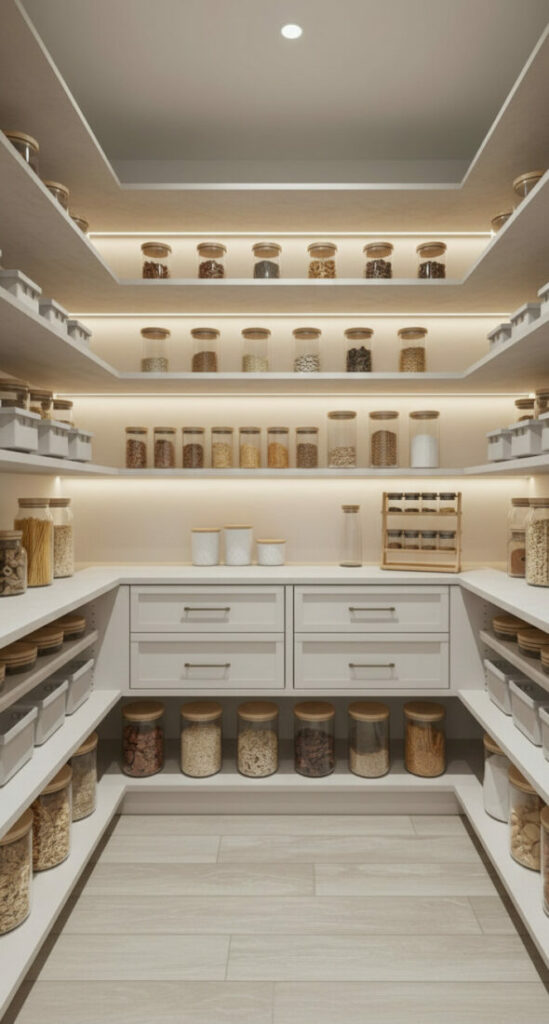
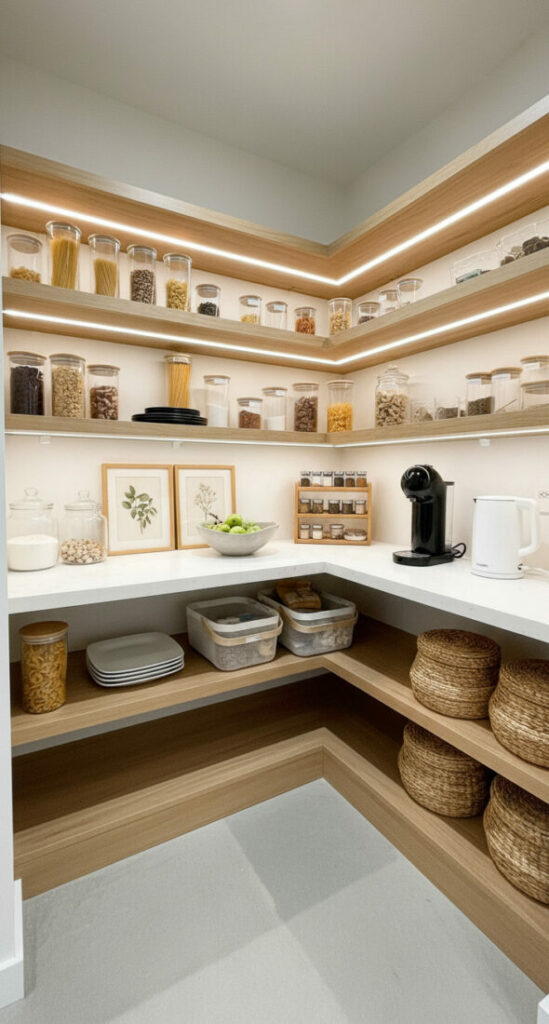
Route channels into the shelves. Run LED strips vertically or horizontally. This illuminates every label. It turns your groceries into a display.
Ensure the color temperature matches the kitchen. Ideally, use 3000K warm white. Avoid cold, blue clinic lighting.
Layout Strategy: Zoning the Space
Organization is not just stacking. It is urban planning for food. You must create zones based on your lifestyle.
The Daily Zone:
Place items you use everyday at eye level. Coffee, cereal, and snacks go here. This is “Prime Real Estate.”
The Baking Zone:
Group flour, sugar, and rising agents together. Use heavy, large jars. Place them on a lower shelf as they are heavy to lift.
The Dinner Zone:
Pastas, rice, and grains sit together. Keep sauces nearby. This reduces friction when you are rushing to cook dinner.
Hidden Storage: The Appliance Garage
A true luxury minimalist pantry keeps unsightly machines invisible. The toaster, the blender, and the coffee grinder create visual clutter.
Create an “Appliance Garage.” This is a designated shelf at counter height. It has power outlets installed in the back.
Cover it with a bi-fold door or a pocket door. When you need to blend a smoothie, you open the garage. When you are done, you close the chaos away.
This allows you to keep the main kitchen counters completely bare. It is the secret to the “model home” look.
Drawers vs. Shelves: The Great Debate
In the past, pantries were all shelves. However, deep shelves are where food goes to die. You cannot see the back.
Modern luxury design favors drawers. Deep, pull-out drawers allow you to see everything from a top-down perspective.
Use drawers for loose items. Bags of chips, snack bars, and pouches belong in drawers. Use dividers to keep them standing upright.
Reserve shelves for your beautiful glass jars. The jars are meant to be seen. The chip bags are meant to be hidden.
The Labeling Aesthetic
You have decanted your rice. Now you must identify it. Labeling can be tacky if done poorly. It can look like a kindergarten project.
Minimalist Vinyl:
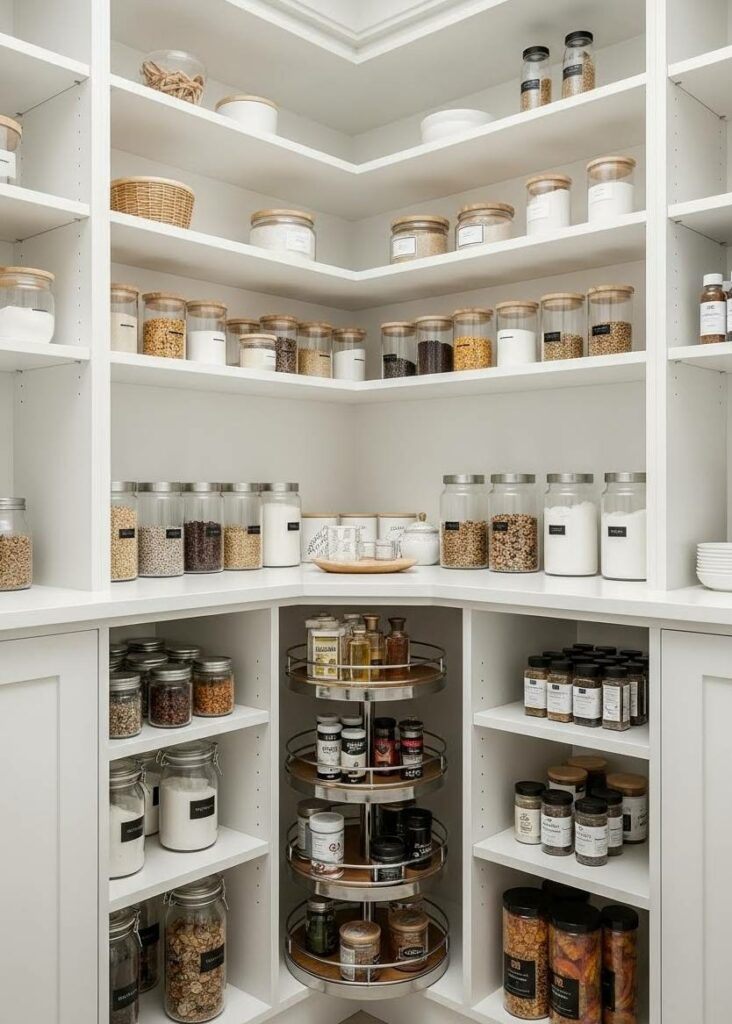
Use custom die-cut vinyl lettering. Choose a clean sans-serif font like Helvetica or Futura. Apply it directly to the glass.
Embossed Metal:
For a more industrial luxe look, use metal tags. Hang them with a simple leather cord or twine around the jar neck.
Consistency is vital. Use the same font size for everything. Align the labels at the exact same height on every jar.
Palette Concept: The “Dark Mode” Pantry
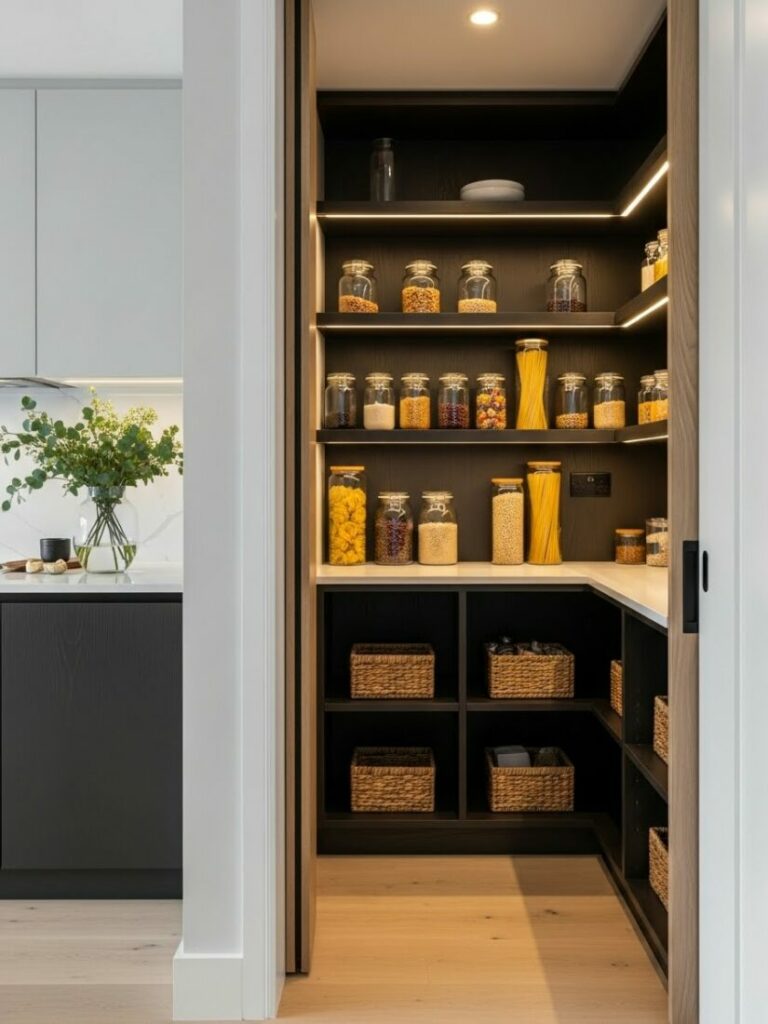
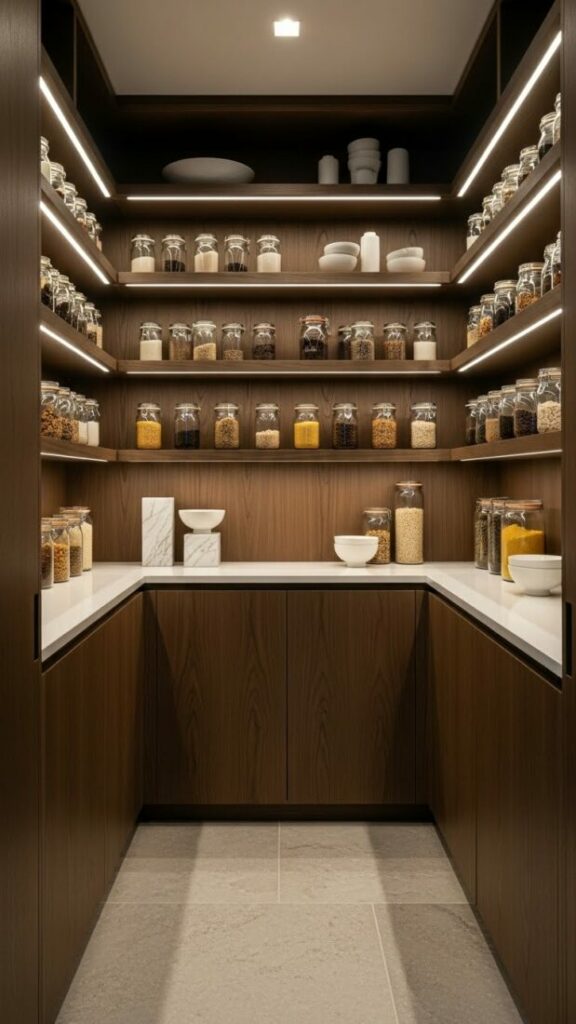
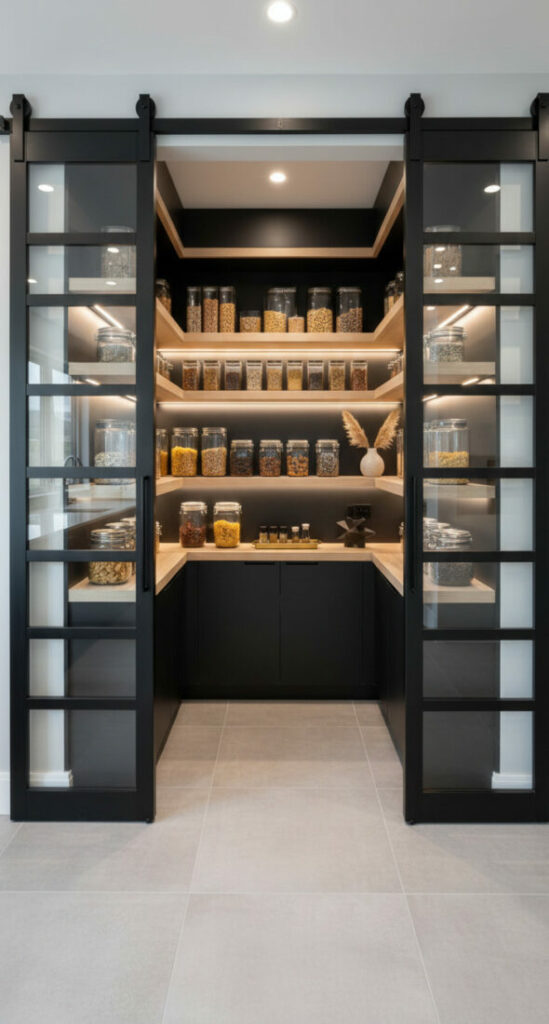
Most pantries are white. However, a rising trend in luxury minimalist pantry design is the all-black aesthetic.
The Vibe:
It is moody. It is boutique. It feels like a high-end wine cellar. It makes the food colors pop dramatically.
Execution:
Use charcoal cabinetry. Use slate grey floor tiles. Use black stained wood shelves. Ensure you have powerful lighting.
Without adequate light, a dark pantry becomes a cave. With light, it becomes a jewelry box.
Palette Concept: The Scandinavian Zen
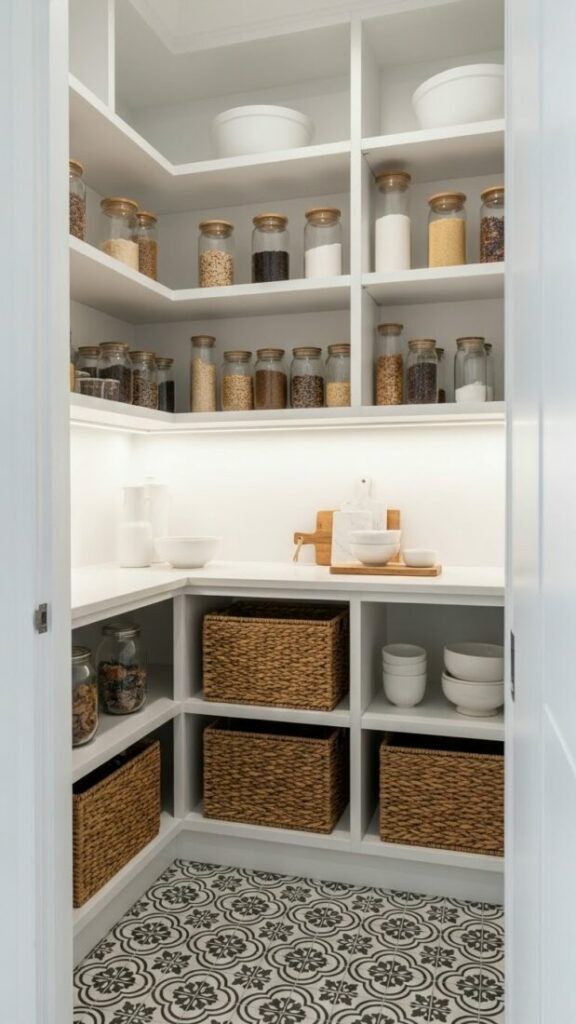
This is the classic choice. It maximizes light. It feels clean and hygienic. It is timeless.
The Vibe:
Airy, bright, and organic. It mimics a spa. It encourages healthy eating habits.
Execution:
Use blonde ash wood. Use matte white walls. Use clear glass and white lids. Keep the contrast low.
Floor-to-Ceiling Utilization
Luxury is about utilizing volume, not just area. In high-ceilinged homes, the top shelves are often wasted.
Install a library ladder. A rolling ladder in brass or black steel is functional art. It allows you to access the highest storage.
Store rarely used items up high. The holiday platters, the turkey roaster, and the fondue set belong in the “Penthouse” of the pantry.
Keep a folding step stool nearby if a ladder is too grand. Hook it onto the wall or hide it in a toe-kick drawer.
How to Choose Baskets and Bins
Glass jars cannot hold everything. You need opaque storage for the ugly stuff. This is where baskets come in.
Wire Baskets:
Use these for produce. Onions and potatoes need airflow. Matte black wire baskets look architectural and keep veggies fresh.
Woven Hyacinth or Seagrass:
These add texture. They hide the visual mess of granola bars or snack packs. Choose square baskets to maximize space.
Avoid fabric bins. They attract dust. They trap food crumbs. They are hard to clean. Stick to natural, wipeable materials.
Smart Pantry Technology
The future of the luxury minimalist pantry is intelligent. We are moving beyond analog storage.
Climate Control:
Ventilation is crucial. A humid pantry spoils food. Install a dedicated exhaust fan or a dehumidifier system to keep dry goods dry.
Inventory Tracking:
Some high-end systems include smart mats. They weigh your jars. When the flour jar gets light, it adds flour to your digital shopping list.
The Importance of Negative Space
This is the hardest rule to follow. You must leave empty space. A shelf packed from edge to edge looks cluttered, no matter how nice the jars are.
Leave 20% of every shelf empty. This is “Breathing Room.”
It allows you to move jars easily. It allows you to bring in new items without rearranging the whole room. It creates the feeling of abundance, not hoarding.
Maintenance: The “Reset” Ritual
A minimalist pantry is not a one-time project. It is a lifestyle. It requires maintenance.
Implement a “Sunday Reset.” Spend 15 minutes combining half-empty boxes. Decant the new groceries immediately.
If you do not decant immediately, the system fails. The cardboard boxes will infiltrate. You must be disciplined.
Do not buy in bulk unless you have the space. Buying 50 pounds of rice is not luxury if it sits on the floor in a sack.
Common Design Mistakes
1. Shelves Too Deep:
Standard 24-inch cabinet depth is too deep for a pantry. Items get lost. Aim for 12 to 14 inches for shelves. This is one row of jars deep.
2. Inflexible Shelving:
Packages change sizes. Your shelving must be adjustable. Use a peg system. It allows you to change heights as your needs evolve.
3. Ignoring the Floor:
Do not put food directly on the floor. It looks messy. It invites pests. Leave the bottom 6 inches clear or use rolling bins.
Expert Advice: Decanting Liquids
We often think of decanting dry goods. However, liquids create visual noise too. Oil bottles are often greasy and ugly.
Use matching glass cruets for olive oil, vinegar, and soy sauce. Use weighted pour spouts. They look like chemistry equipment.
Place them on a small tray. The tray catches drips. It protects your expensive marble shelves from oil stains.
Conclusion: The Joy of Order
Designing a luxury minimalist pantry is an act of self-care. It streamlines your daily routine. It reduces decision fatigue.
When you open that door, you should feel a sense of pride. You should see potential, not chores.
Invest in the infrastructure. Choose quality materials. Commit to the system of decanting. The result is a space that functions as flawlessly as it looks.
Turn the mundane task of cooking into a refined experience. Your pantry is the heart of the kitchen; keep it beating with rhythm and style.