
Living in a small space requires creativity. Tiny apartment ideas are essential for making the most of your square footage. A compact home can still be stylish and functional.
You do not have to sacrifice comfort for size. With smart planning, you can transform a cramped studio into a spacious retreat. It is all about using every inch effectively.
This guide explores over 20 genius design hacks. We cover everything from hidden storage to multi-purpose furniture. Let’s unlock the full potential of your tiny home.
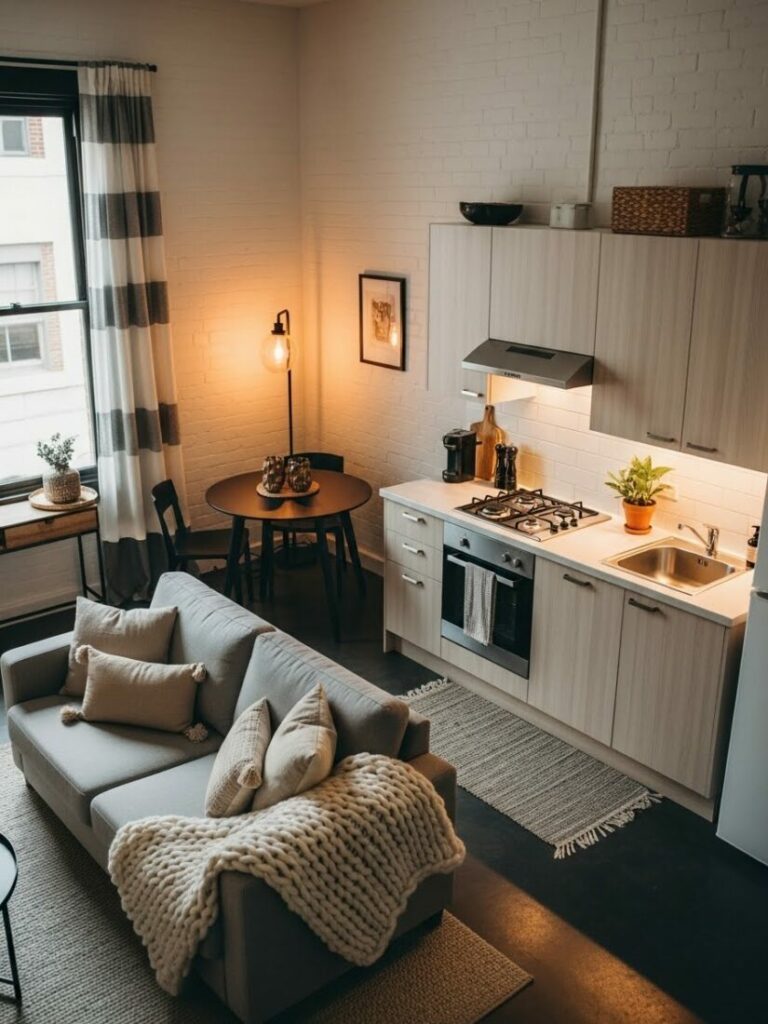
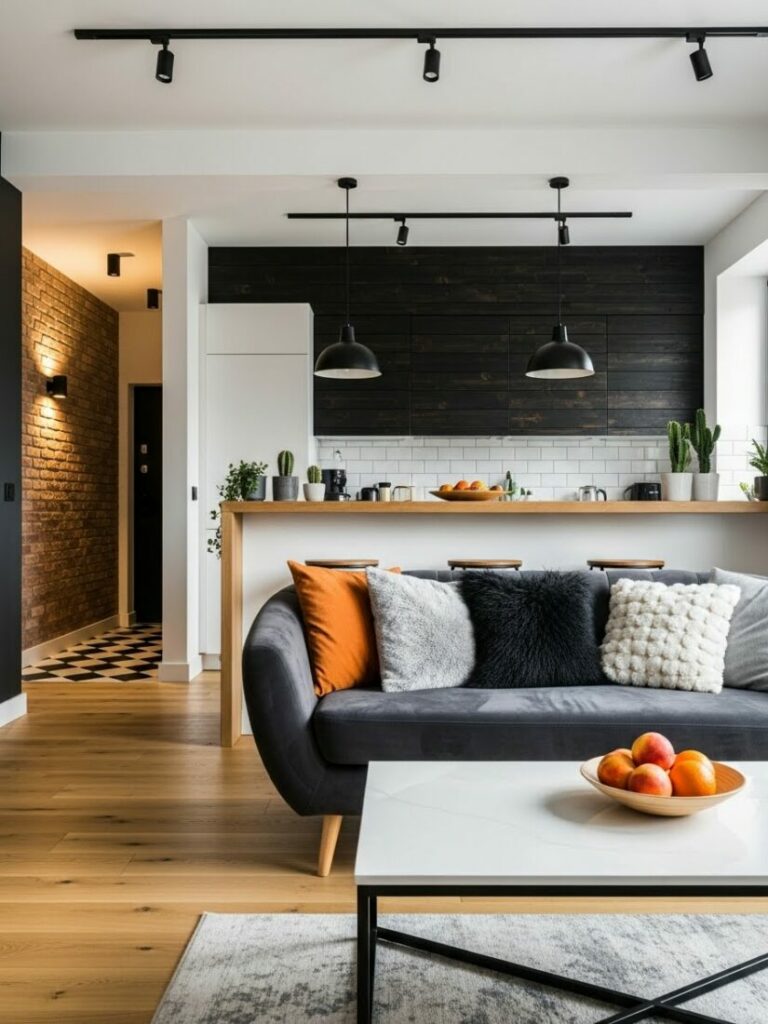
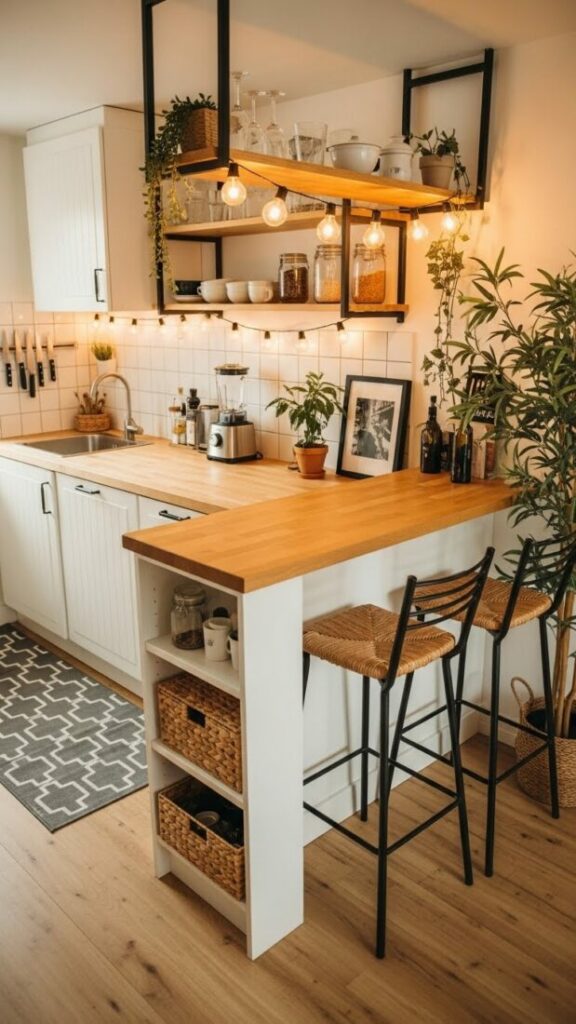
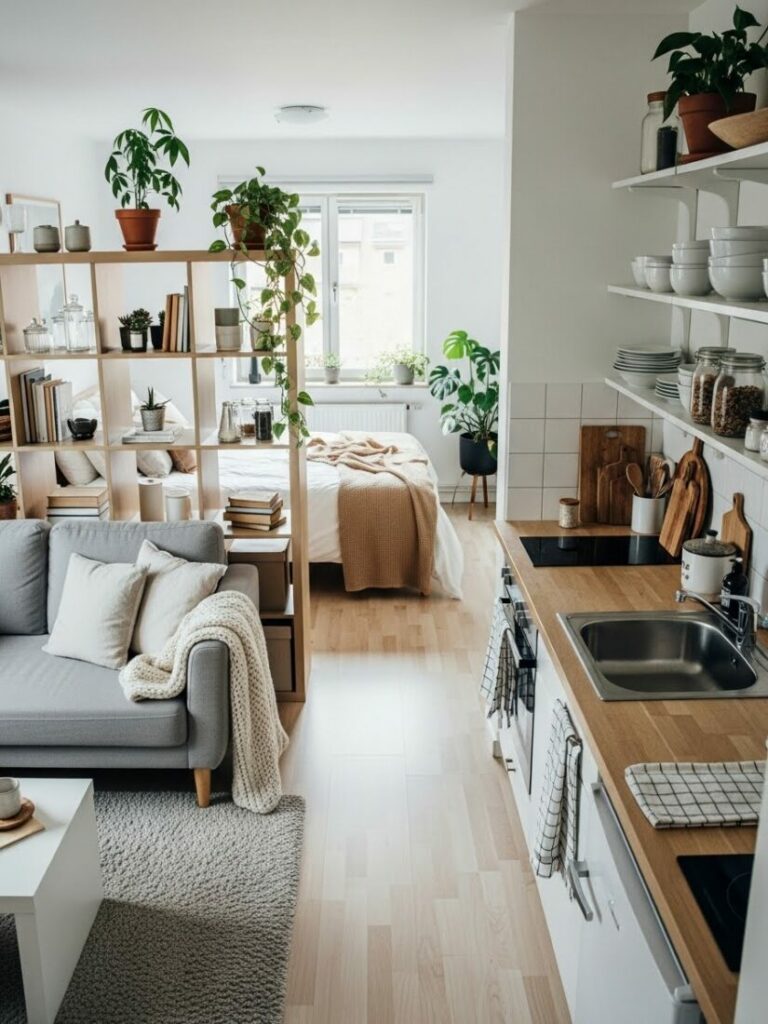
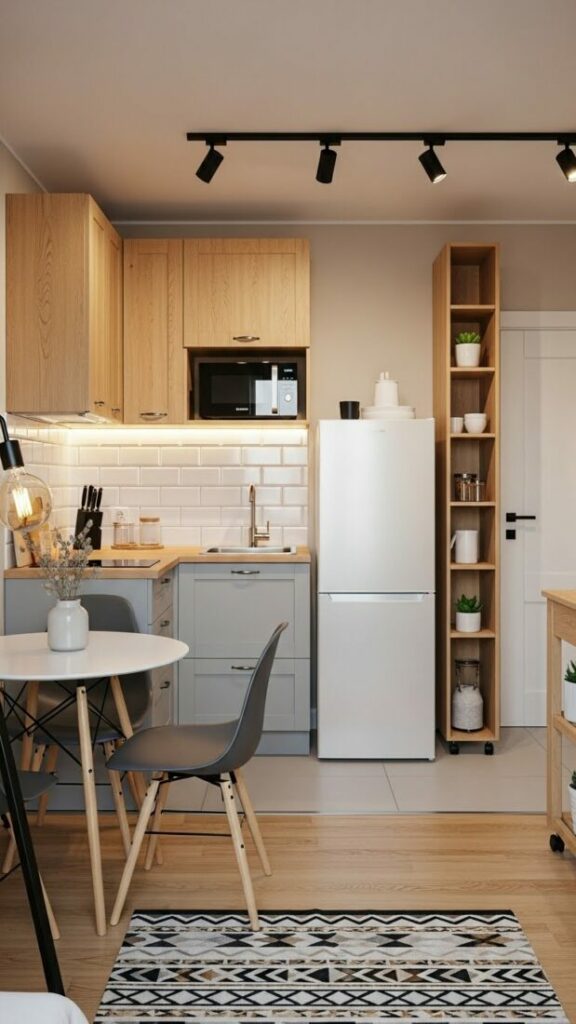
Planning Your Small Space Strategy
Before you buy new furniture, assess your needs. Small space living demands a strategic approach. You need to identify your daily habits and storage requirements.
Do you work from home? Do you love to cook? Prioritize the zones that matter most to your lifestyle.
Clear out clutter ruthlessly. In a tiny apartment, less is truly more. Only keep items that are useful or bring you joy.
Defining Zones in an Open Plan
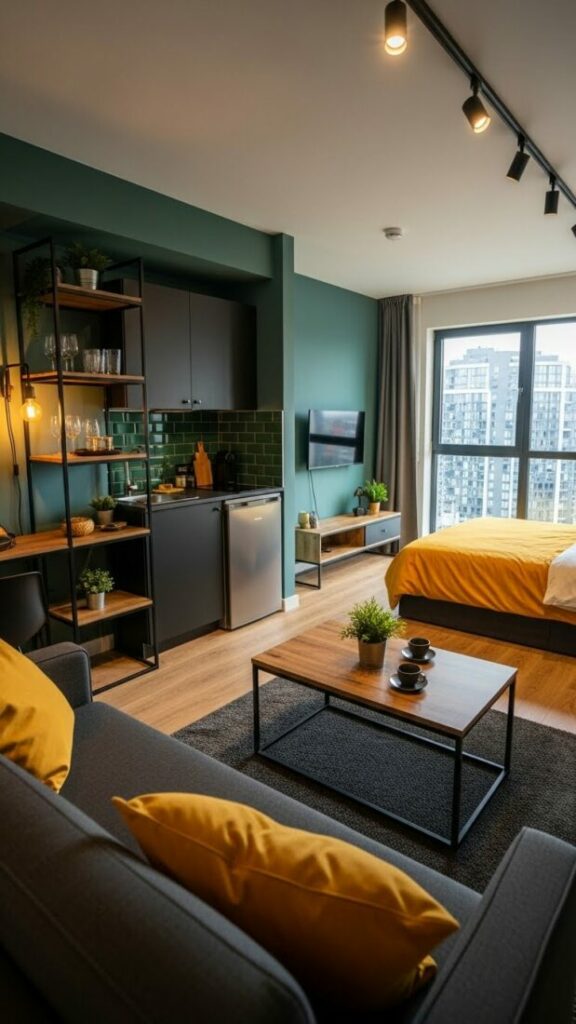
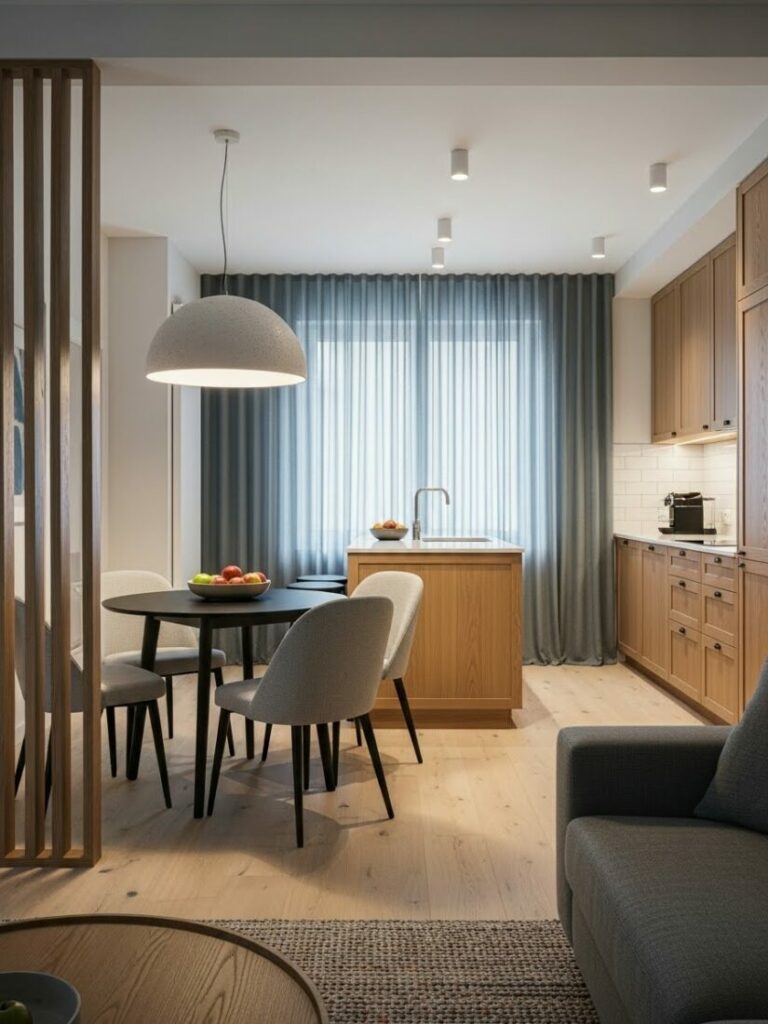
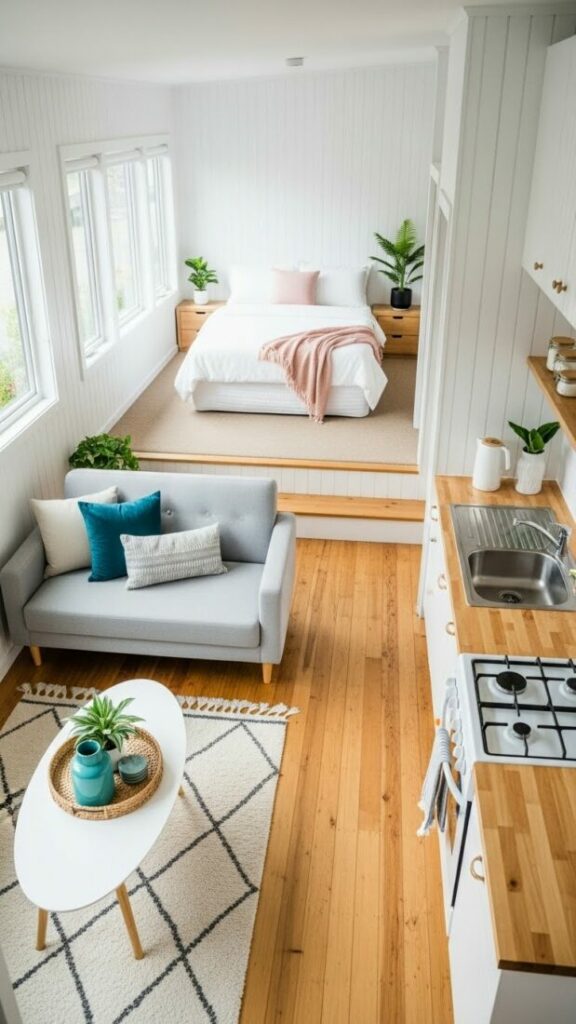
Most tiny apartments have an open layout. Creating distinct zones helps organize the space. Use rugs to define the living area versus the sleeping area.
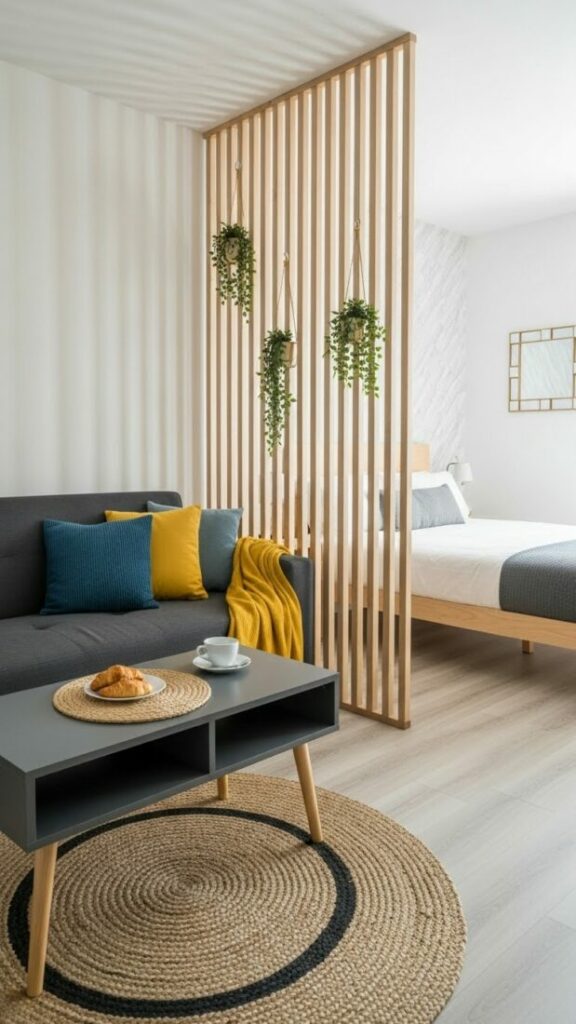
Furniture placement is key. A sofa can act as a divider. Open shelving units can separate the kitchen from the lounge without blocking light.
This visual separation makes the apartment feel larger. It creates a sense of order. It prevents the room from feeling like one big mess.
Thinking Vertically
When floor space is limited, look up. Vertical space is often underutilized. Install tall bookcases that reach the ceiling.
Use wall-mounted hooks and racks. Hang plants, pots, and even bikes. This draws the eye upward and clears the floor.
The Magic of Mirrors
Mirrors are the oldest trick in the designer’s book. They reflect light and views. This instantly makes a room feel twice as big.
Place a large floor mirror opposite a window. It bounces natural light deep into the room. This creates a bright and airy atmosphere.
You can also create a gallery wall of smaller mirrors. This adds visual interest and depth. It acts like an extra window in your tiny home.
Multi-Functional Furniture
In a small apartment, every piece must work hard. Choose furniture that serves multiple purposes. A sofa bed is a classic example.
Look for ottomans with hidden storage inside. Use a dining table that can double as a desk. Nesting tables are great for saving space when not in use.
This reduces the number of items you need. It keeps the floor plan open. It is essential for efficient studio apartment layout.
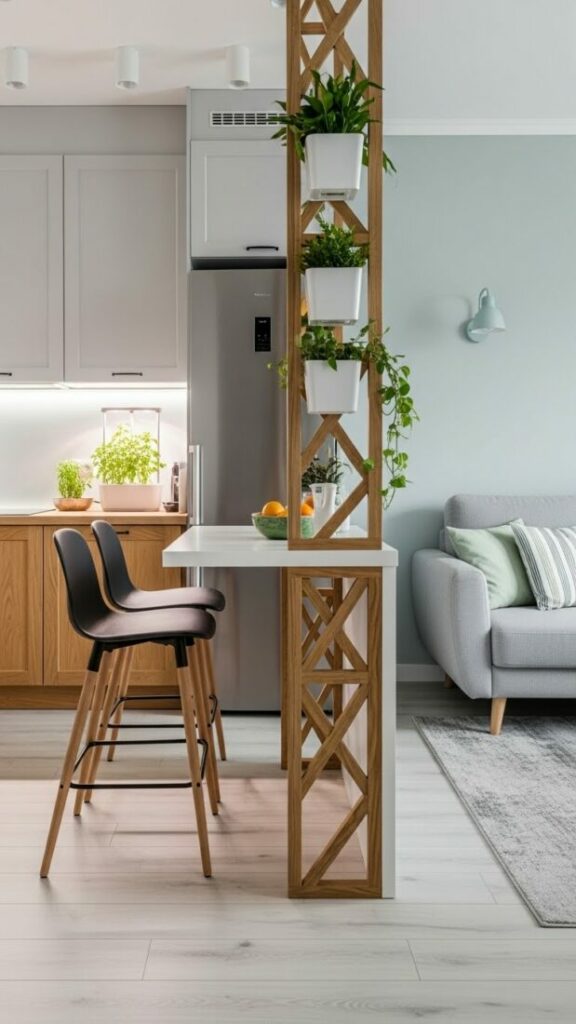
Vertical Garden Walls
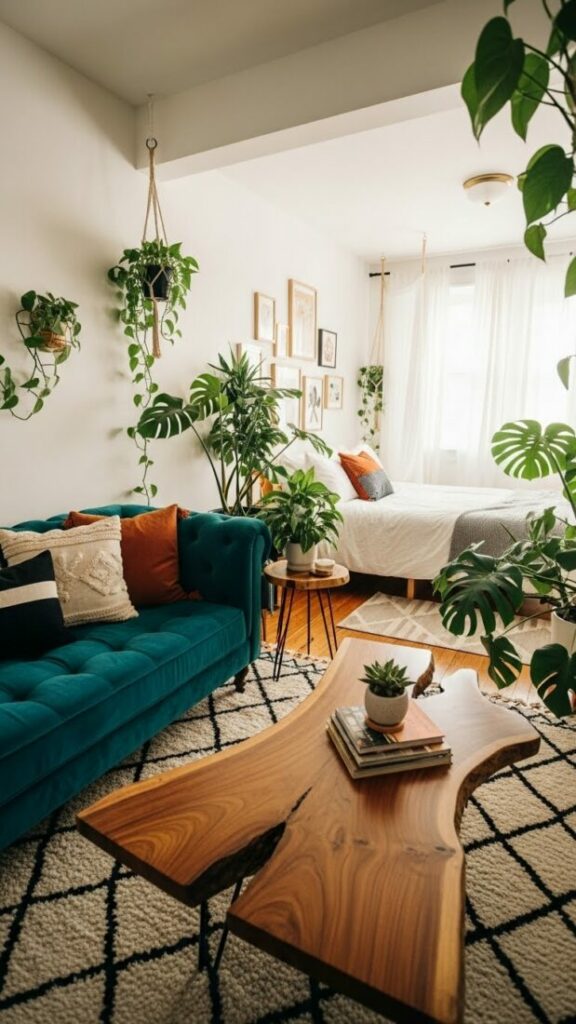
Bring nature indoors without losing floor space. A vertical garden wall adds life and color. Use wall-mounted planters or a trellis system.
Plants improve air quality and mood. Hanging them on the wall keeps surfaces clear. It creates a stunning, living focal point.
Choose low-maintenance plants like pothos or succulents. They thrive indoors and look beautiful. It brings a touch of the outdoors inside.
Loft Your Bed
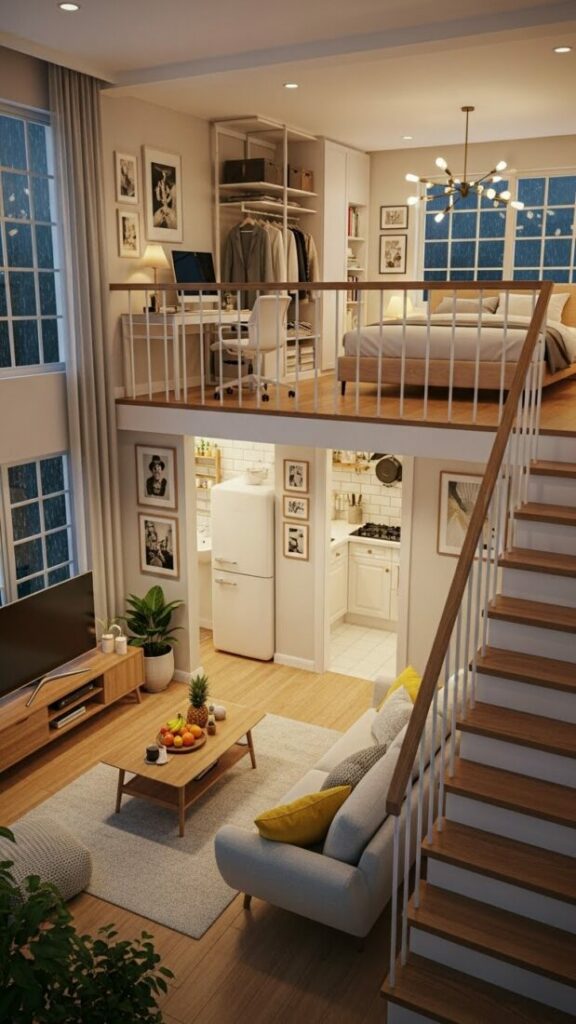
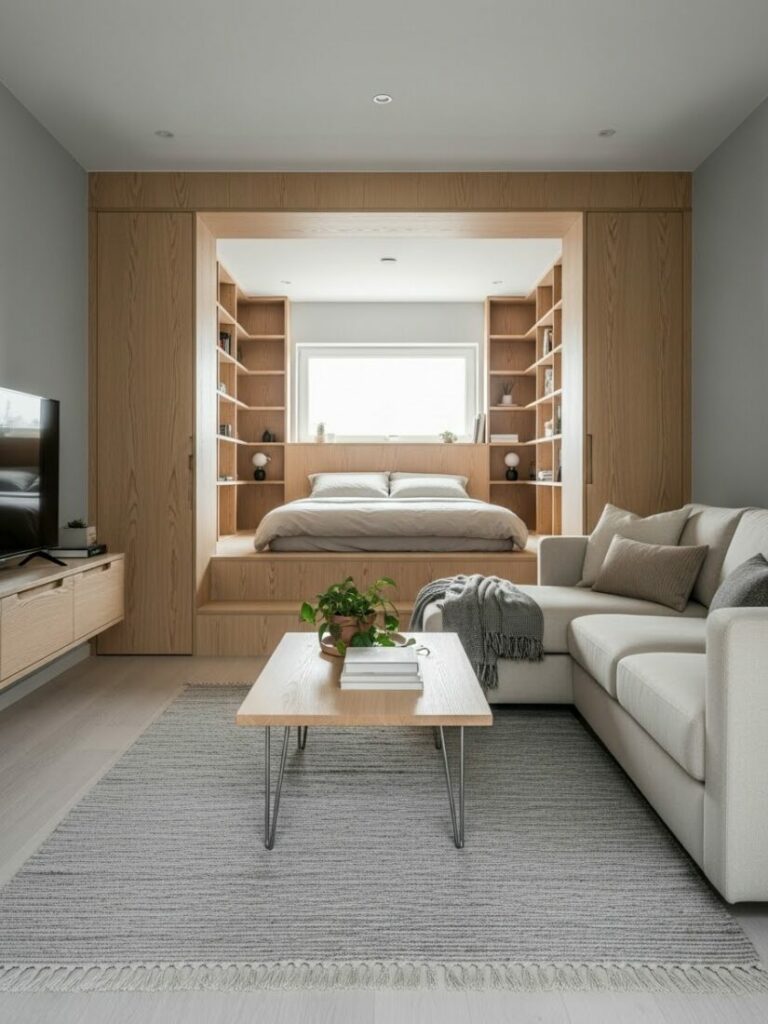
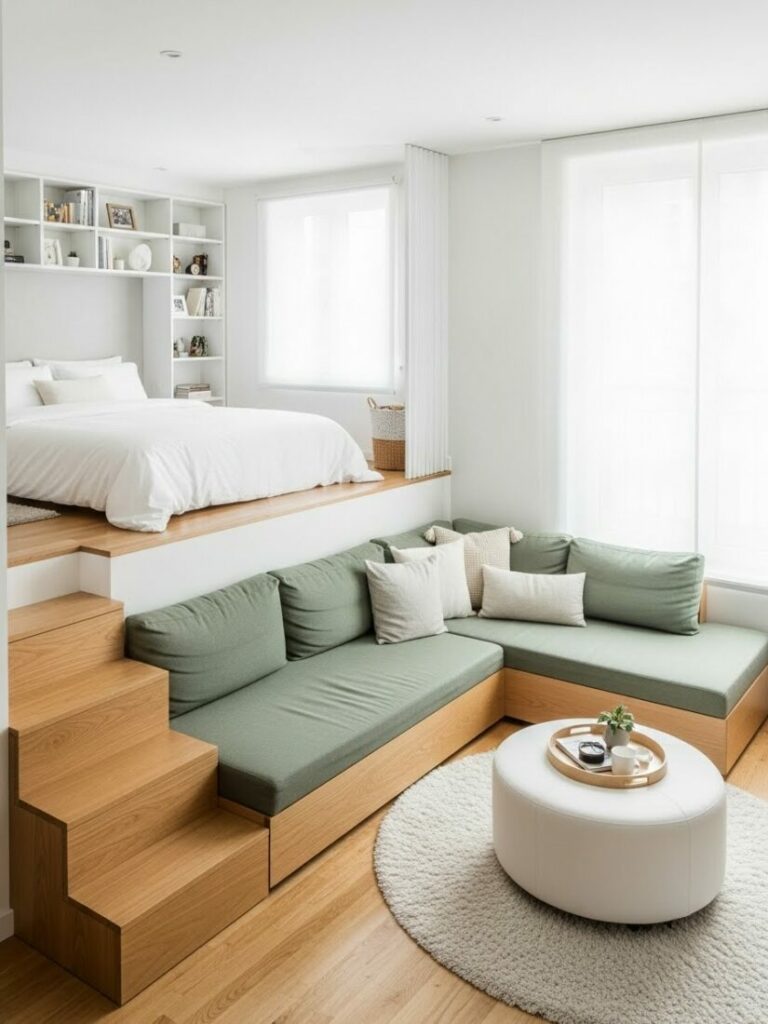
If you have high ceilings, build up. A loft bed frees up valuable floor space below. You can use the area underneath for a desk or sofa.
This effectively doubles the footprint of your sleeping area. It creates a distinct separation between sleep and living zones. It is perfect for a tiny studio apartment.
Ensure the structure is sturdy and safe. Add a stylish ladder or stairs with storage. It is a fun and practical solution.
Use Light Colors
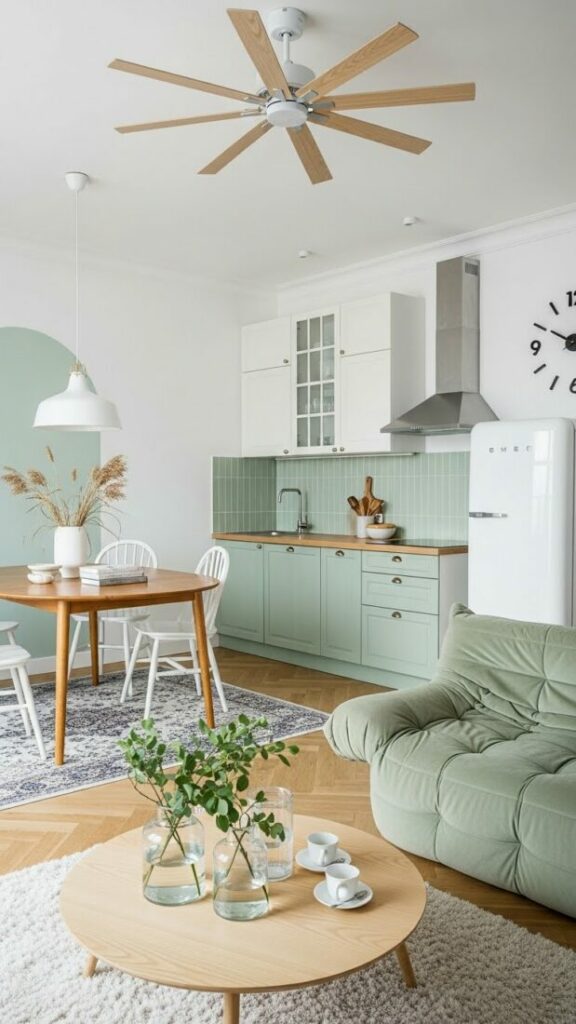
Light colors reflect light and expand space. Paint walls in soft whites, creams, or pastels. This makes the boundaries of the room disappear.
Keep the ceiling lighter than the walls. This draws the eye up and creates height. Use light-colored flooring and furniture too.
You can add pops of color with accessories. This keeps the base neutral and airy. It is a foolproof interior design tip.
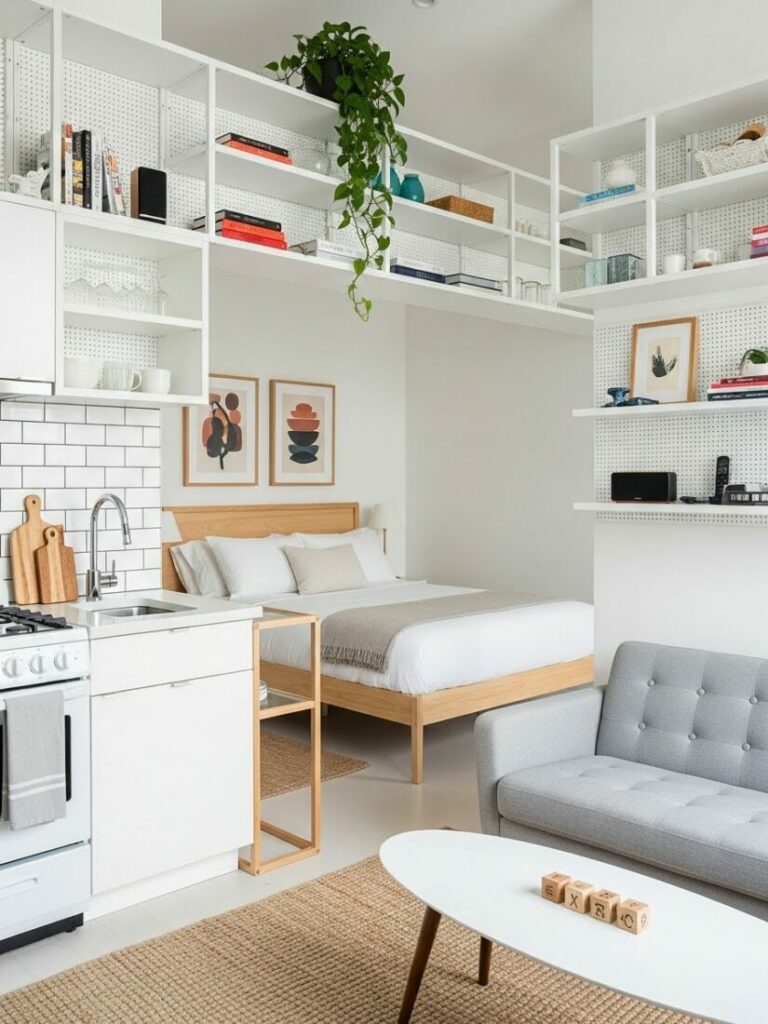
Floating Shelves Everywhere
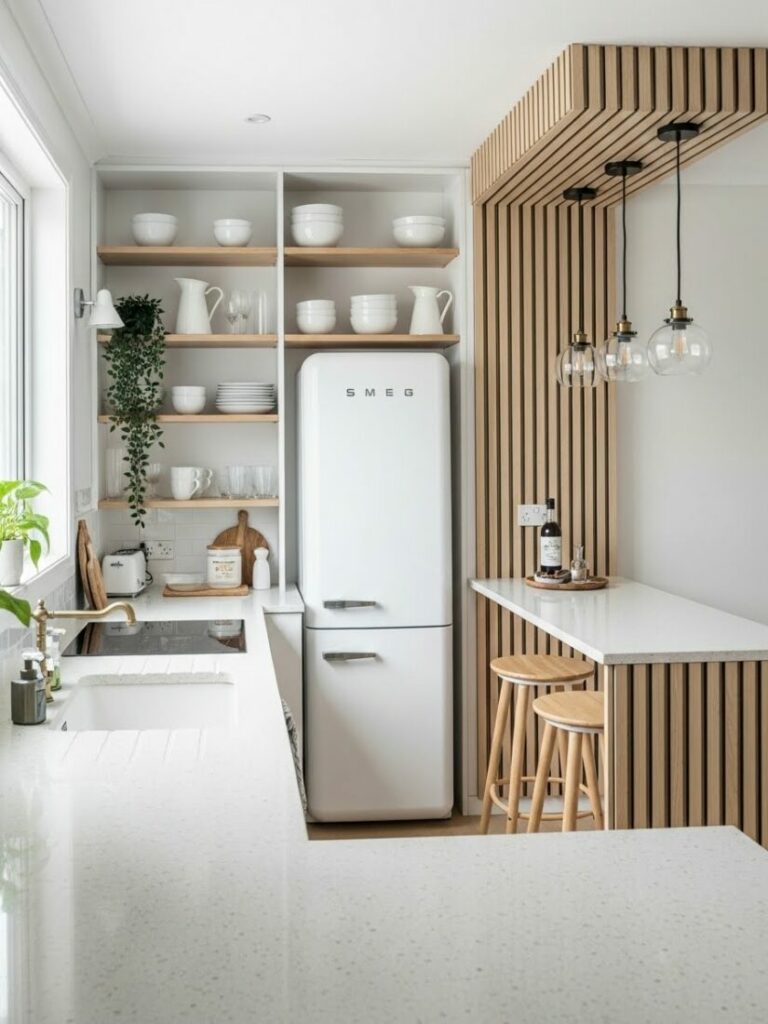
Bulky bookcases take up floor space. Floating shelves provide storage without the visual weight. Install them above eye level or in corners.
Use them in the kitchen for dishes. Put them in the bedroom for books. They are versatile and stylish.
Keep the display curated to avoid clutter. Leave some negative space on the shelves. This maintains an open feel.
Hidden Storage Behind Doors
Don’t ignore the back of your doors. Over-the-door organizers are lifesavers. Use them for shoes, pantry items, or cleaning supplies.
Install hooks for coats and bags. This utilizes dead space effectively. It keeps clutter off the floor and surfaces.
This is a great rental-friendly hack. It requires no drilling or permanent changes. It creates instant organization.
Room Dividers with Storage
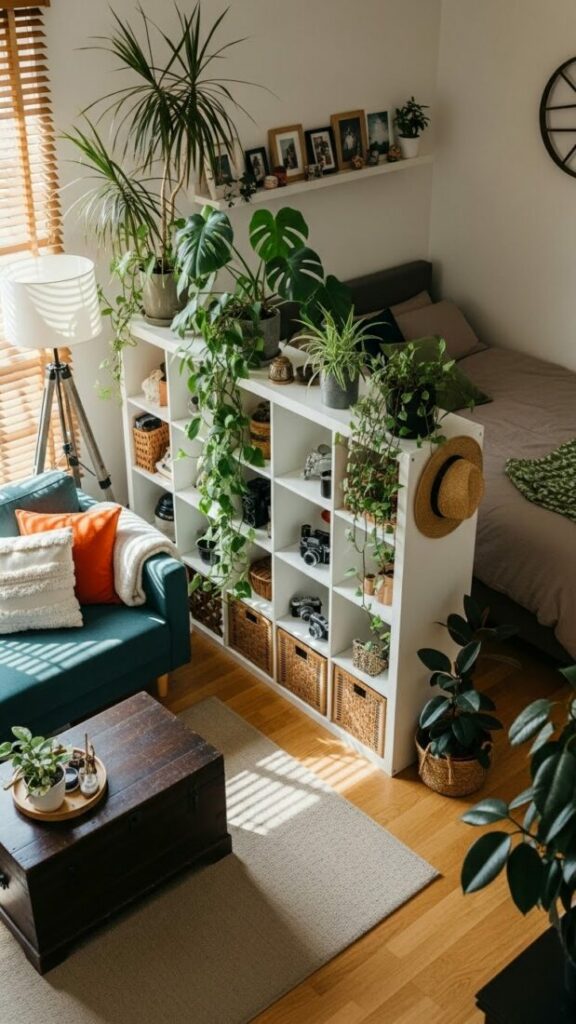
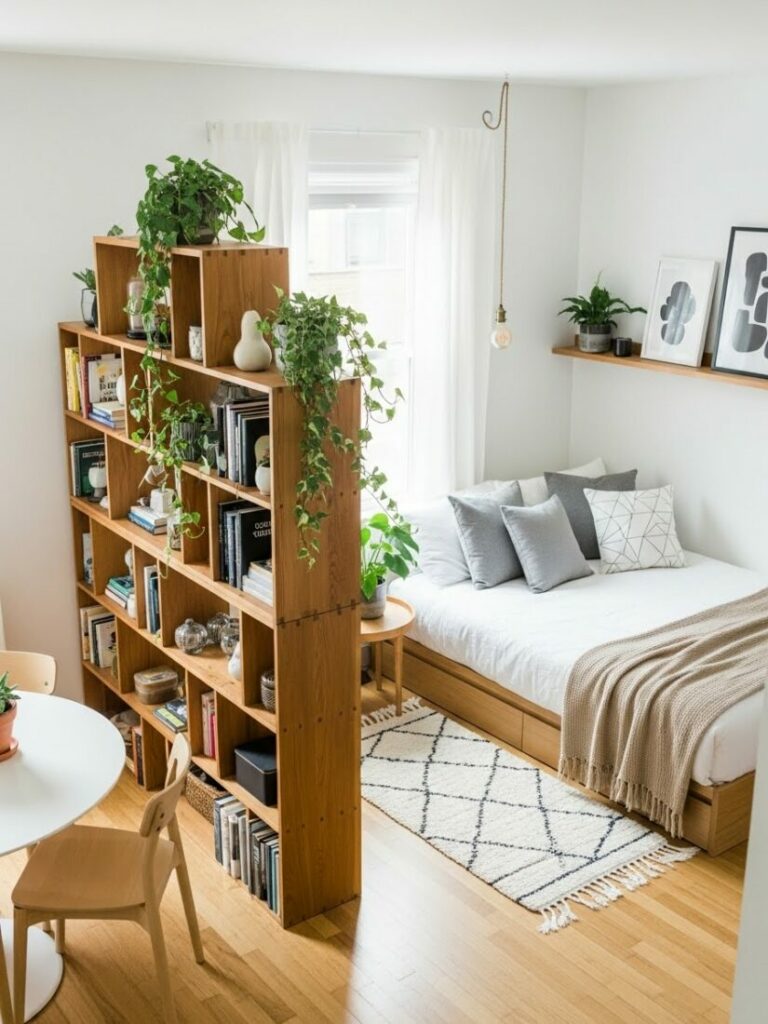
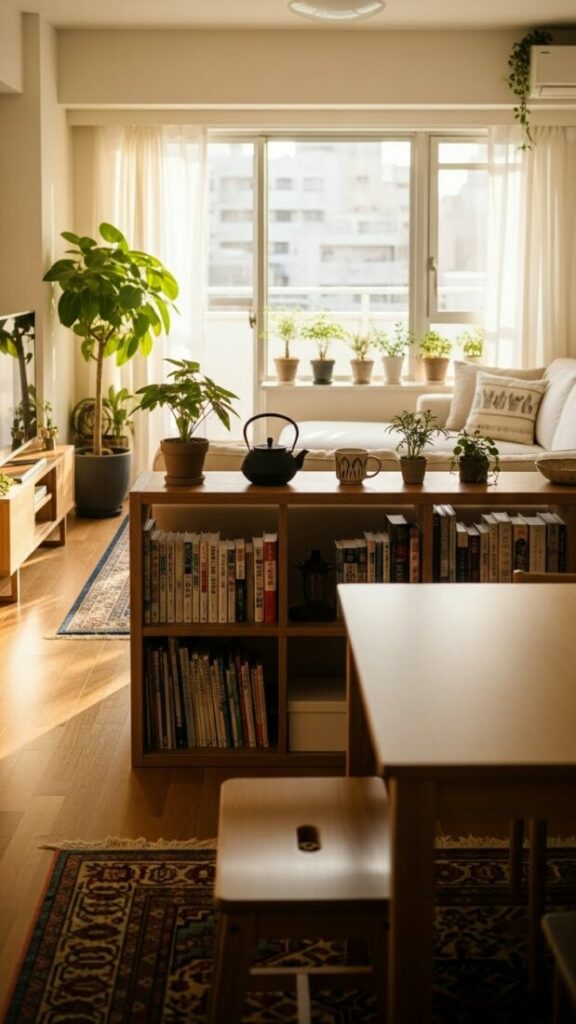
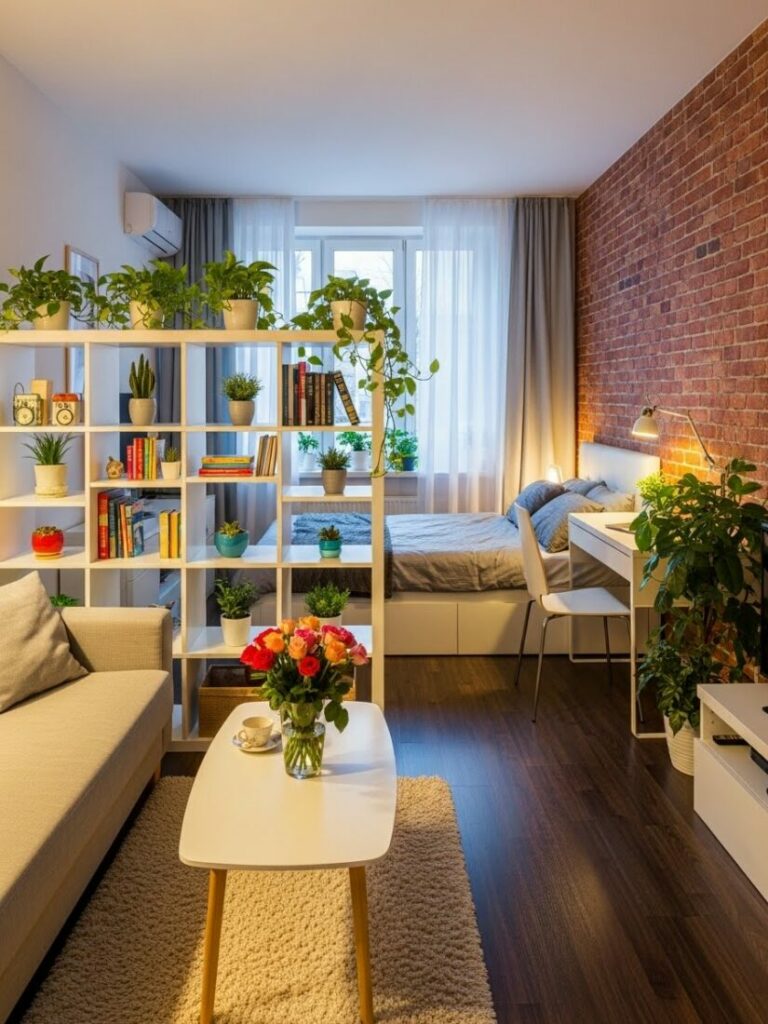
Separate your spaces smartly. Use an open shelving unit as a room divider. This defines zones while providing storage.
Light can still pass through the open shelves. This prevents the room from feeling closed off. It serves a dual purpose beautifully.
Style the shelves with books and plants. It becomes a functional decor piece. It is a core element of apartment therapy.
The Murphy Bed Solution
A Murphy bed is the ultimate space saver. It folds up into the wall when not in use. This transforms your bedroom into a living room instantly.
Modern designs are stylish and easy to use. Some even have a sofa attached to the front. It creates a flexible living space.
This allows you to entertain guests easily. You reclaim your floor space during the day. It is a game-changer for studios.
Use a Bar Cart
A bar cart is versatile and mobile. Use it for drinks, coffee, or extra kitchen storage. It can be moved wherever you need it.
Its small footprint fits in tight corners. It adds a touch of glamour and style. It serves as a functional decor piece.
Style it with nice glassware and a plant. It keeps surfaces clear of clutter. It is perfect for entertaining in a small space.
Wall-Mounted Desk
Need a home office? Install a wall-mounted desk. Some fold down flush against the wall when not in use.
This saves precious floor space. It creates a dedicated workspace without a bulky desk. It keeps your living area flexible.
Pair it with a folding chair. You can hang the chair on the wall when done. It is a brilliant work from home solution.
Under-Bed Storage
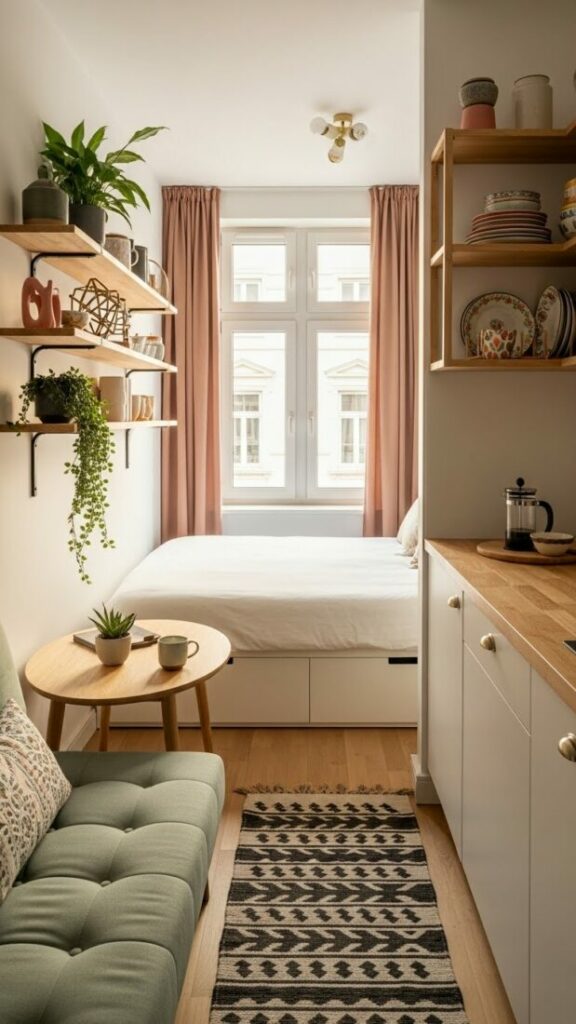
The space under your bed is prime real estate. Use rolling bins or drawers to store off-season clothes. It keeps items dust-free and organized.
Choose a bed frame with built-in storage. This maximizes the volume you can store. It eliminates the need for a large dresser.
This keeps your bedroom looking tidy. It utilizes hidden space effectively. It is a must for small bedroom ideas.
Clear Acrylic Furniture
Visual weight matters in a tiny room. Clear acrylic furniture, like “ghost chairs,” takes up zero visual space. It looks almost invisible.
It provides function without blocking sightlines. Light passes right through it. This keeps the room feeling open and airy.
Use an acrylic coffee table or desk chair. It adds a modern, chic touch. It is a clever trick for small spaces.
Sliding Doors and Curtains
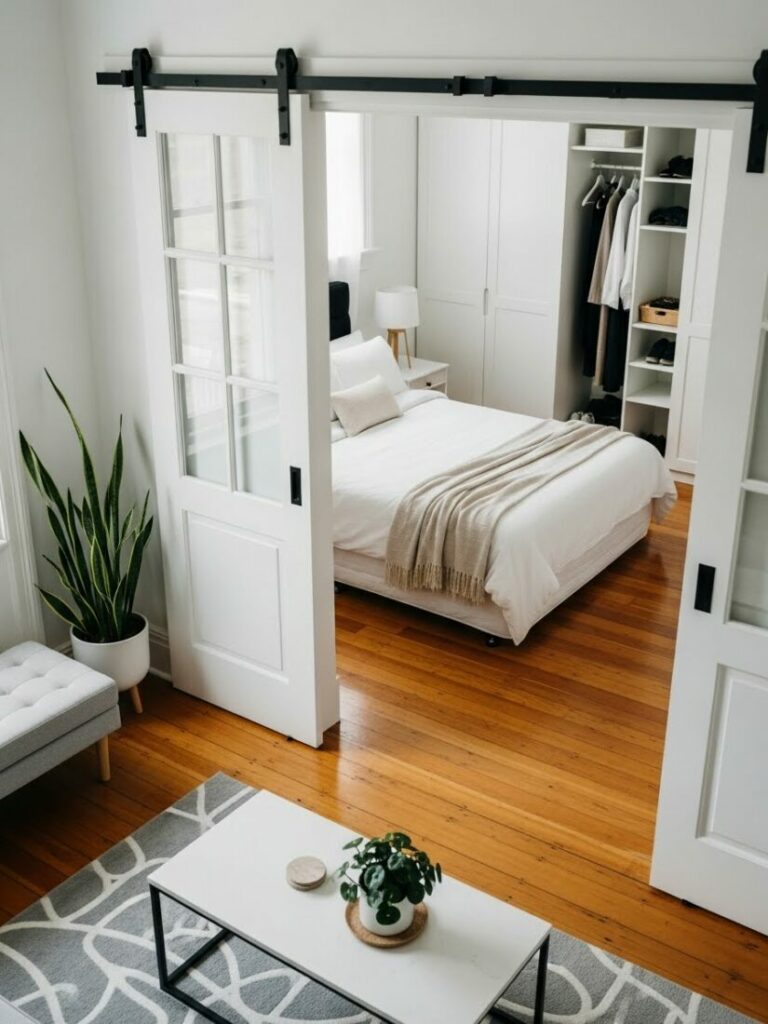
Traditional swinging doors take up swing space. Replace them with sliding barn doors or pocket doors. This frees up floor area.
Alternatively, use curtains to separate rooms. They are soft and flexible. You can tie them back to open the space.
This creates privacy without solid walls. It allows for better flow. It is an affordable renovation idea.
Expandable Dining Tables
You can still host dinner parties. Use an expandable or drop-leaf table. Keep it small for daily use.
Expand it when guests arrive. This offers flexibility in a small dining area. It adapts to your needs instantly.
Some tables fold flat against the wall. This is the ultimate space-saver. It ensures you are always ready to entertain.
Create a Focal Point
Distract from the size of the room. Create one stunning focal point. This could be a bold accent wall or large artwork.
It draws the eye and anchors the space. It adds personality and style. It makes the room feel designed, not just small.
Use wallpaper or a gallery wall. Keep the rest of the room simple. This creates balance and visual interest.
Maximize Corner Space
Corners are often wasted. Use corner shelves or a corner desk. This turns dead space into usable area.
A corner sofa can provide ample seating. It fits snugly against the walls. This leaves the center of the room open.
Custom built-ins work well here too. They maximize every inch of the angle. It is smart space planning.
Stick to a Neutral Palette
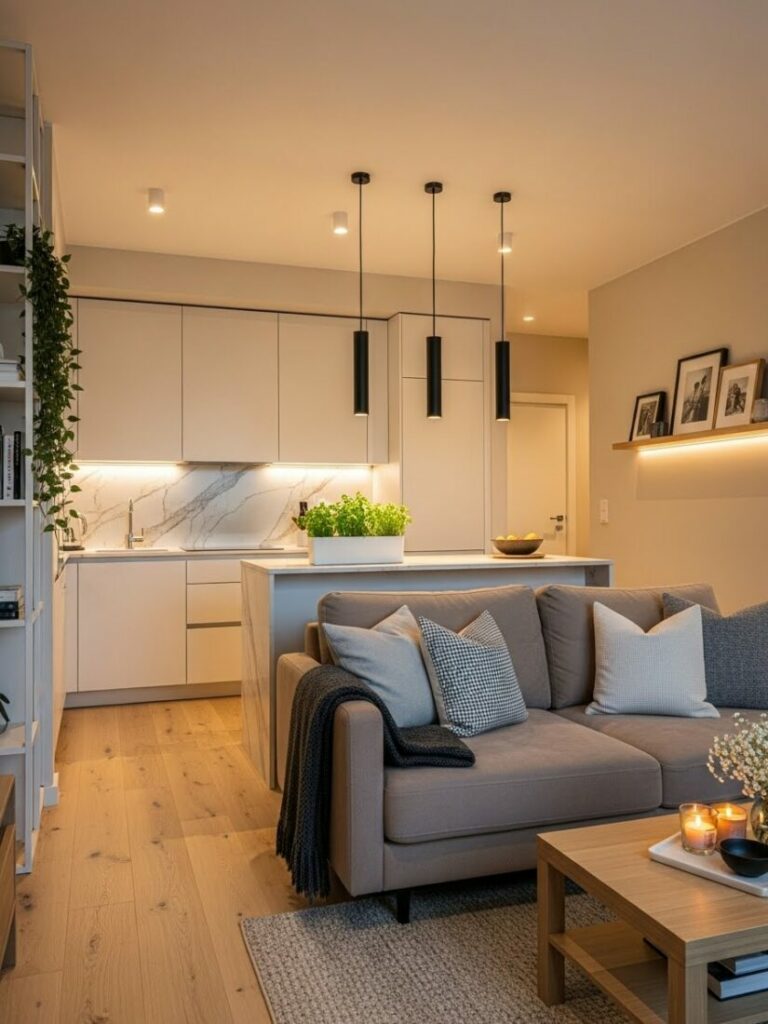
Too many colors can feel chaotic in a small space. Stick to a neutral color palette. Shades of beige, grey, and white are calming.
This creates a cohesive, seamless look. It allows the eye to travel smoothly across the room. It makes the space feel larger.
Add texture instead of color for interest. Use woven rugs and knitted throws. This adds warmth without visual clutter.
Large Format Art
Don’t use many small pictures. One large piece of art creates a bigger impact. It expands the sense of scale in the room.
It acts as a window to another world. It reduces visual noise compared to a gallery wall. It feels sophisticated and modern.
Choose art with depth or perspective. This tricks the eye into seeing more space. It is a simple decorating trick.
Declutter Ruthlessly
Clutter shrinks a room instantly. Adopt a minimalist mindset. Keep surfaces clear and organized.
Use baskets to hide miscellaneous items. Donate what you do not need. Every object should have a home.
Regularly edit your belongings. This maintains a feeling of spaciousness. It creates a peaceful environment.
Use Rugs to Define Areas
In a studio, rugs are walls on the floor. Use different rugs to define the living and sleeping areas. This visually separates the functions.
It adds warmth and texture to the floor. It anchors floating furniture arrangements. It makes the layout clear.
Choose rugs that complement each other. Keep the color family consistent. This maintains harmony in the open space.
Lighting Layers
Good lighting opens up a small room. Avoid relying on a single overhead light. Use layered lighting: ambient, task, and accent.
Floor lamps illuminate dark corners. Table lamps add a cozy glow. String lights create a magical atmosphere.
This eliminates harsh shadows. It makes the room feel larger and more inviting. It allows you to change the mood.
Wall-Mounted Lights
Save table space with wall sconces. Install them beside the bed or sofa. Plug-in versions require no wiring.
This frees up your nightstand or side table. It provides direct reading light. It adds a stylish, custom look.
Choose adjustable arms for flexibility. Match the metal finish to your decor. It is a smart functional upgrade.
Exposed Wardrobe Racks
No closet? No problem. Use a stylish clothing rack. Display your favorite clothes as decor.
Keep it organized and color-coordinated. It forces you to declutter your wardrobe. It adds a boutique feel to your room.
Use matching hangers for a clean look. Place shoes neatly underneath. It is a chic storage solution.
Window Treatments High and Wide
Make your windows look bigger. Hang curtain rods high above the frame. Extend them wider than the window.
This tricks the eye into seeing larger windows. It lets in maximum natural light. It adds height and grandeur to the room.
Choose floor-length curtains. Vertical lines elongate the walls. It is a simple but powerful styling tip.
Conclusion
Living small does not mean thinking small. These tiny apartment ideas prove that style fits anywhere. With smart choices, you can maximize your space.
Focus on multi-functional pieces and vertical storage. Keep your color palette light and cohesive. Edit your belongings regularly.
Your tiny apartment can be a functional, stylish sanctuary. Embrace the cozy lifestyle. Happy decorating!
Frequently Asked Questions (FAQ)
How can I make my tiny apartment look bigger?
Use mirrors to reflect light and create depth. Paint walls in light, neutral colors. Keep the floor visible with furniture on legs.
What is the best furniture for small spaces?
Choose multi-functional items like sofa beds or storage ottomans. Look for pieces with a small footprint. Transparent acrylic furniture also works well.
How do I store things without a closet?
Use a freestanding clothing rack or wardrobe. Utilize under-bed storage bins. Install wall hooks and floating shelves for accessories.