Glass partition walls are the architectural alchemy that solves the biggest conflict in modern interior design. For decades, we tore down walls. We craved the “Open Plan.”
However, reality hit hard. Open plan living is loud. Cooking smells travel. Privacy is non-existent. Working from the dining table is stressful.
Enter the glass wall. It offers the best of both worlds. It provides the visual connection of an open space with the acoustic privacy of a closed room.
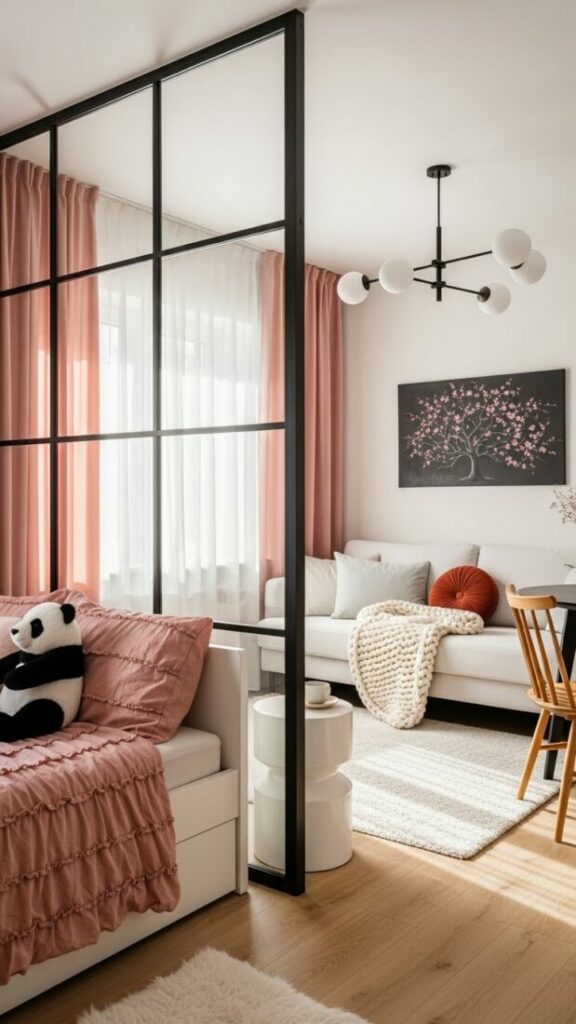
It is “Broken Plan” living. It defines zones without blocking light. It is elegant, functional, and timeless.
In this guide, we will explore the different styles of glazing. We will discuss acoustic engineering. We will help you choose between the industrial grid and the invisible frame.

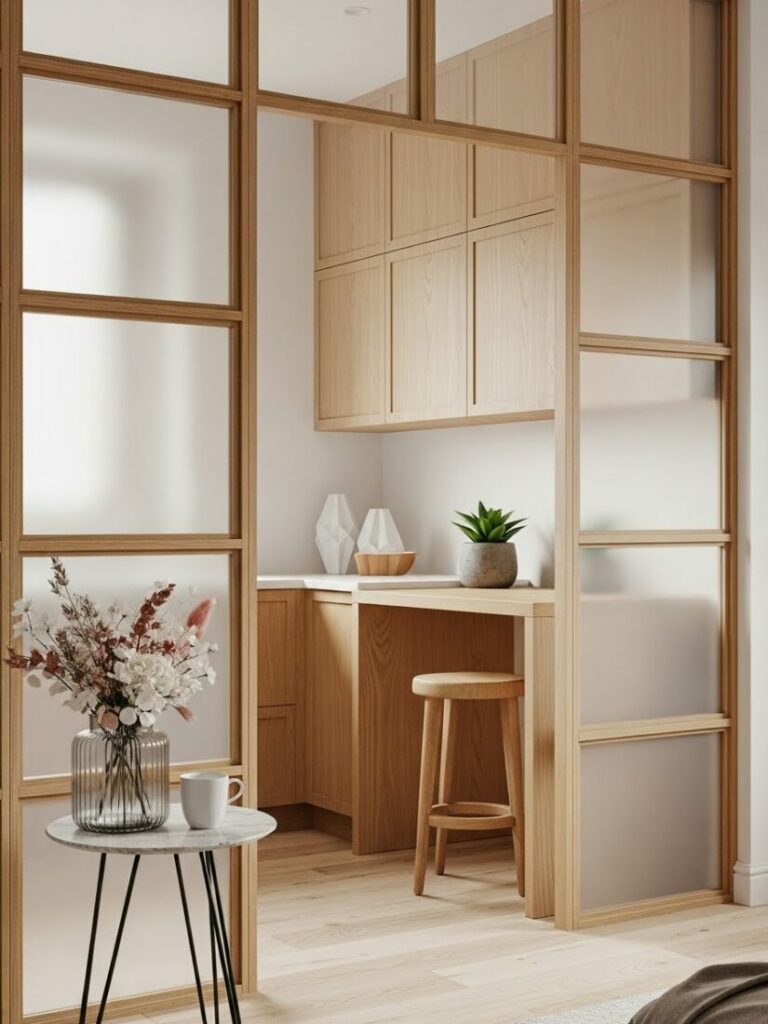





The Philosophy of “Borrowed Light”
Light is a precious commodity. Solid walls steal light. They create dark corridors and gloomy corners.
Glass partition walls allow you to “borrow light” from brighter rooms. If you have a windowless home office, a glass wall steals sunlight from the living room.
This increases the serotonin levels of the occupants. It makes small footprints feel expansive. It blurs the boundaries of the home.
The eye travels further. When the eye can see through a wall, the brain registers the space as larger. It is a visual trick that adds value to your property.
Style 1: The Industrial Crittall Look
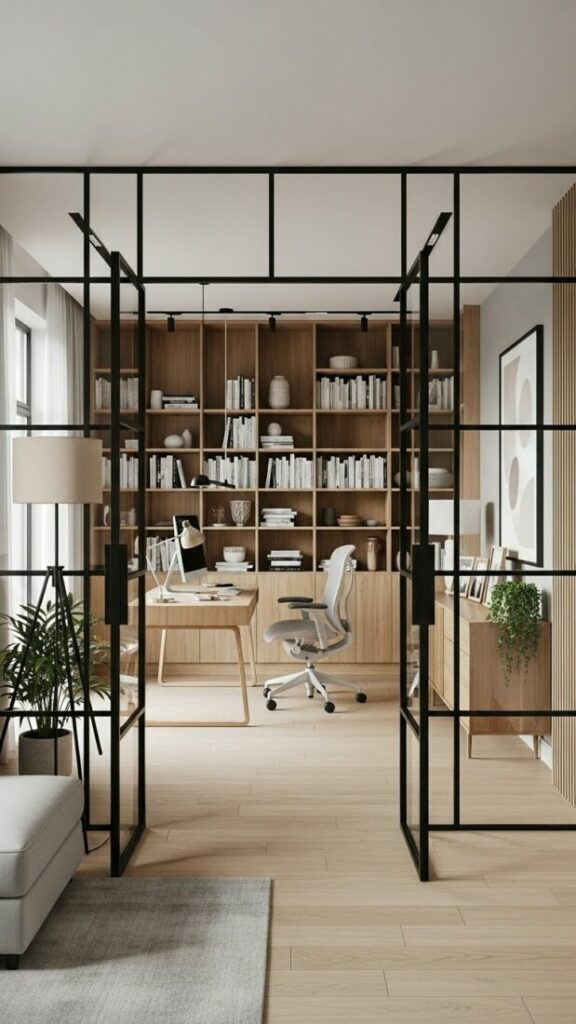
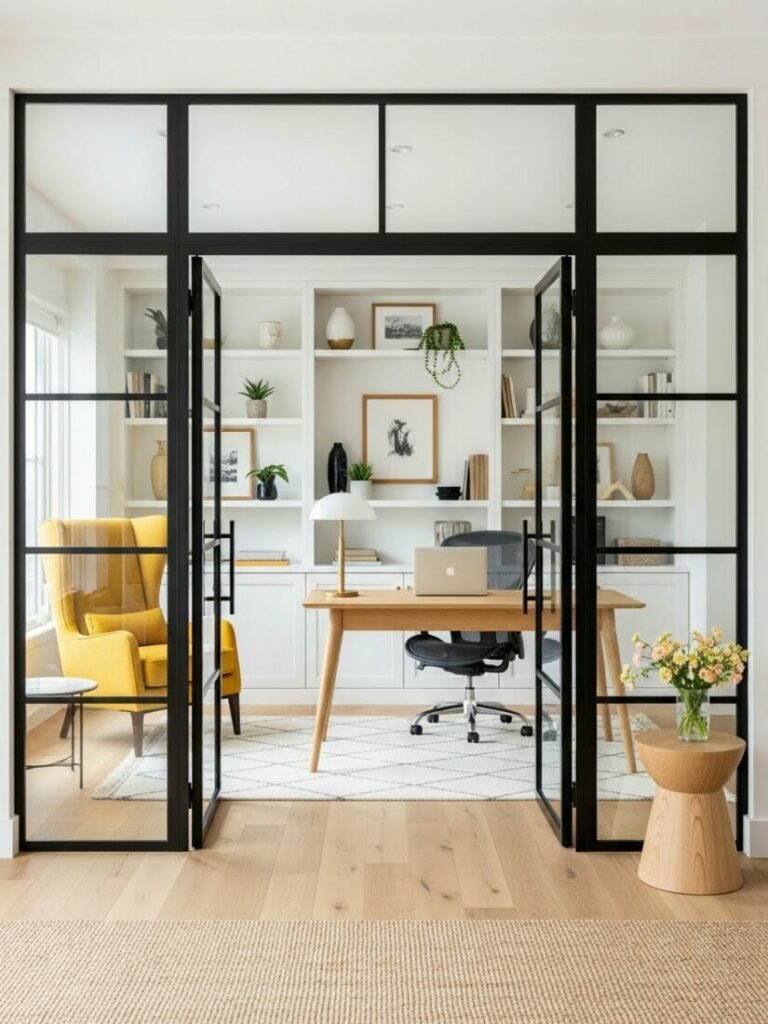
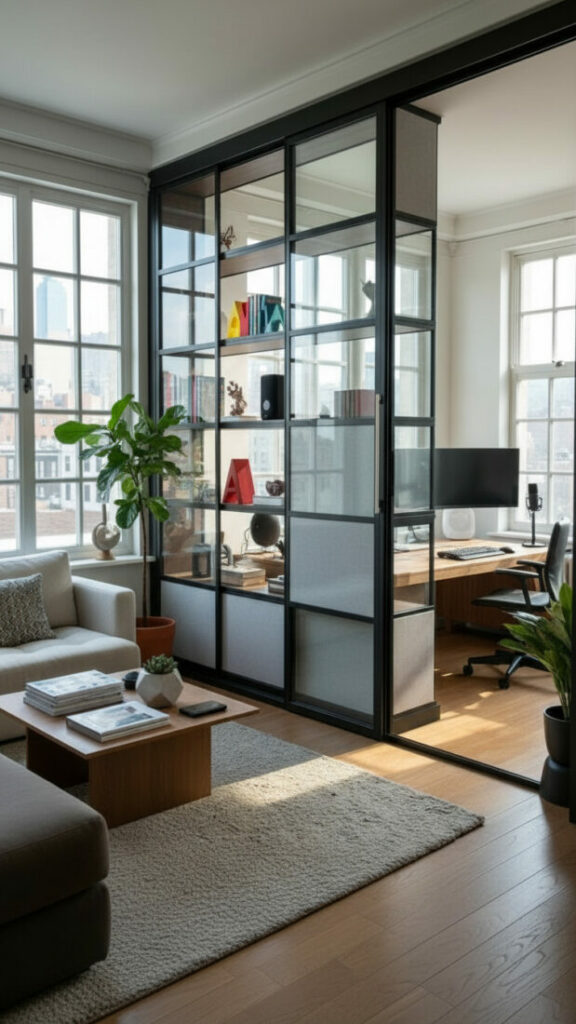
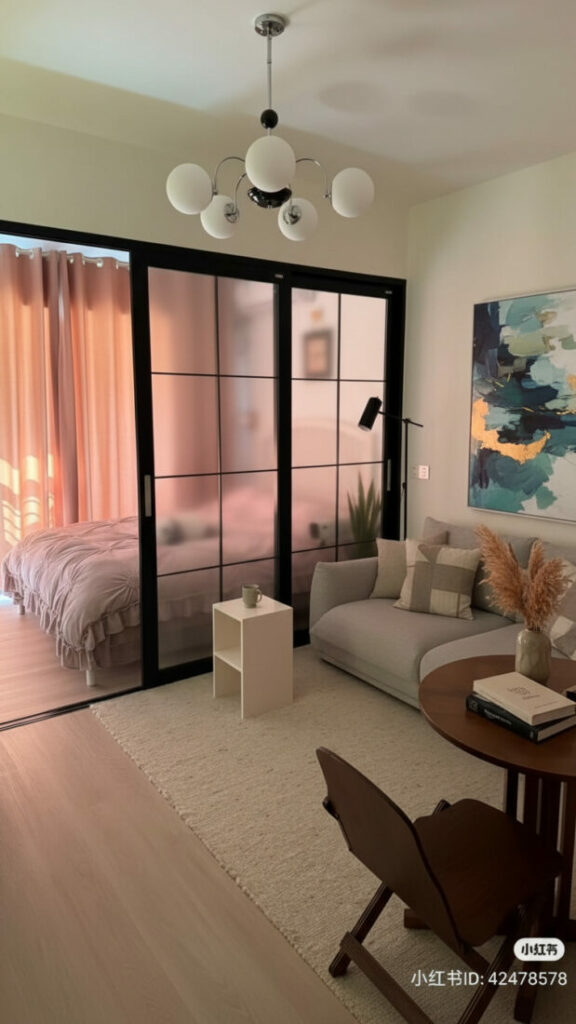
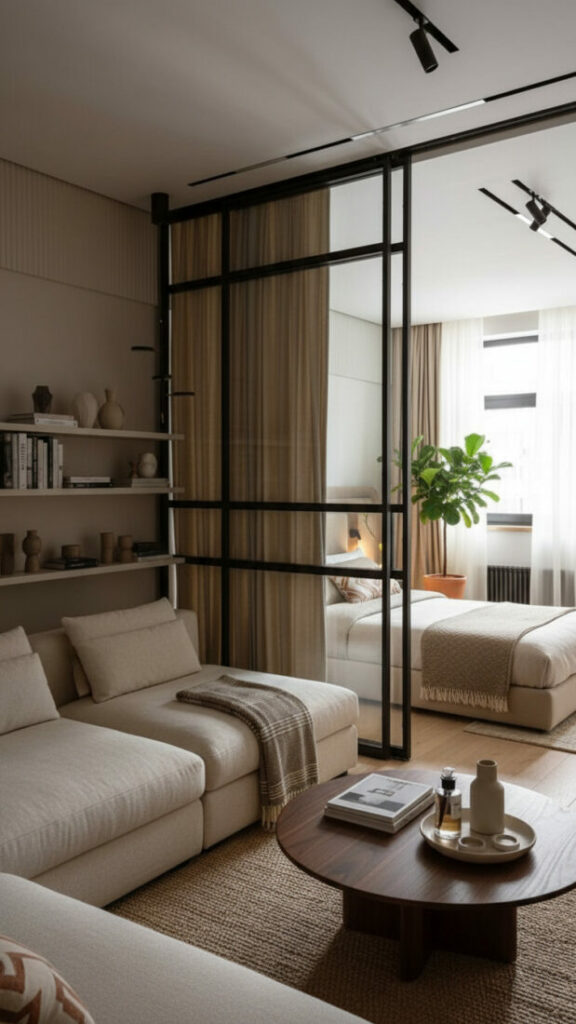
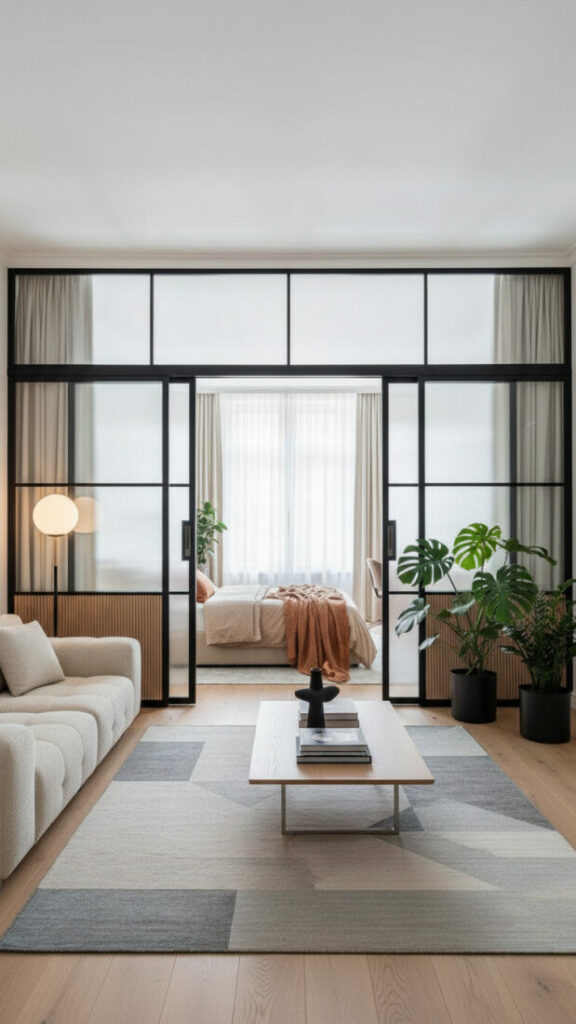
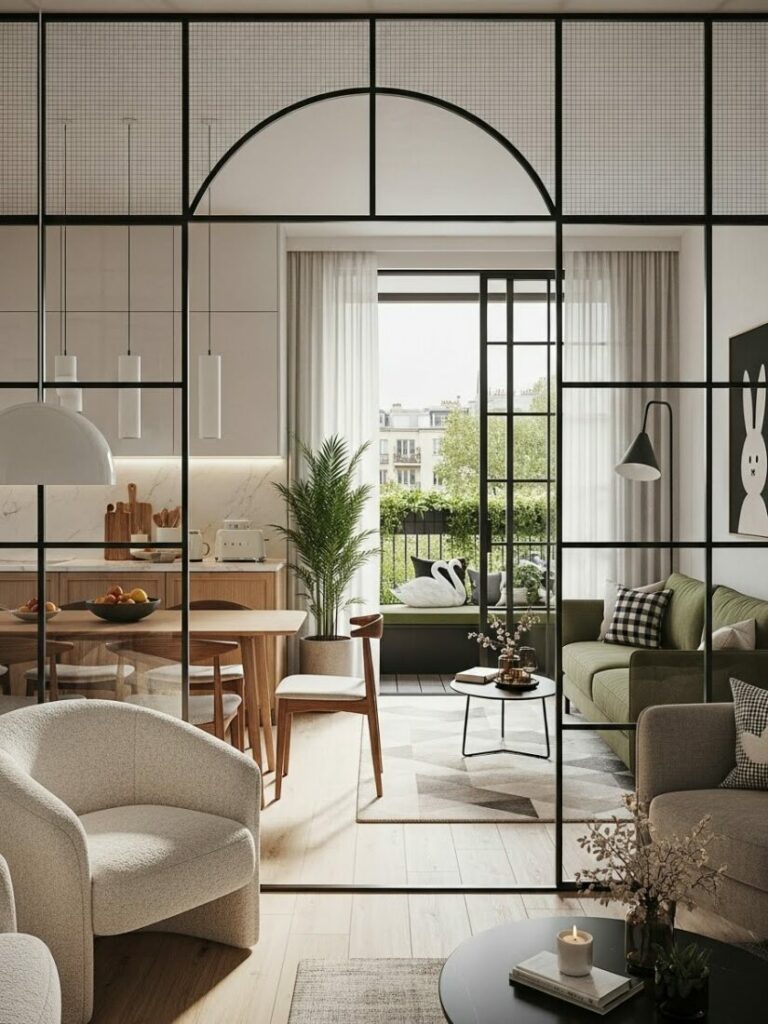
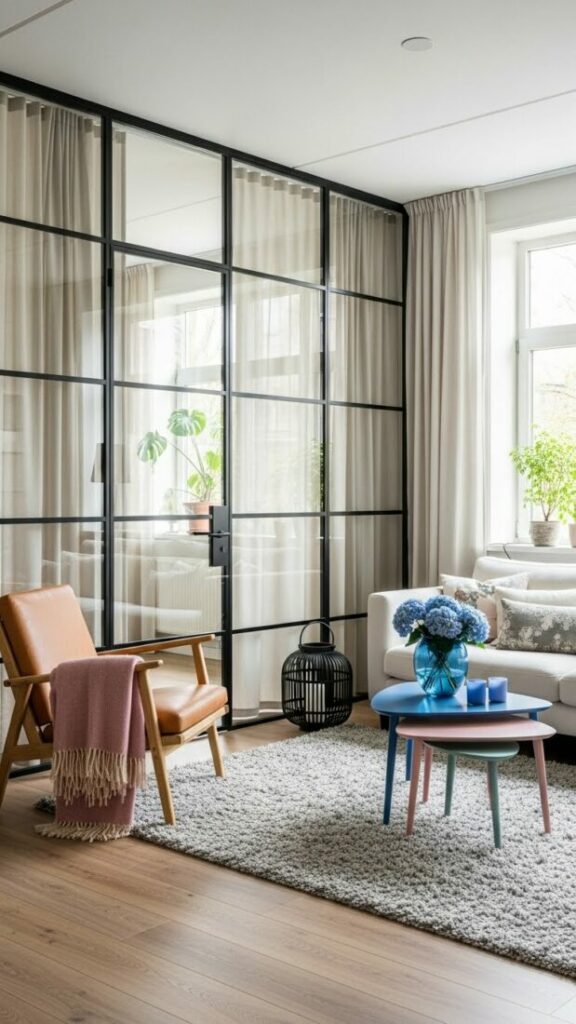
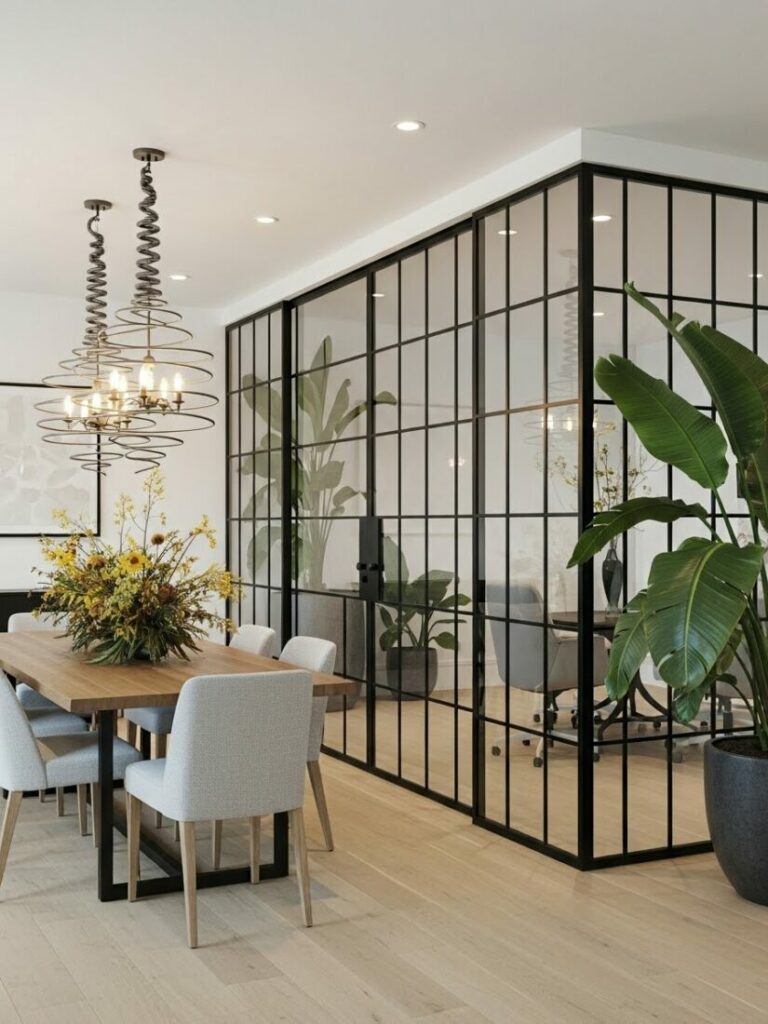
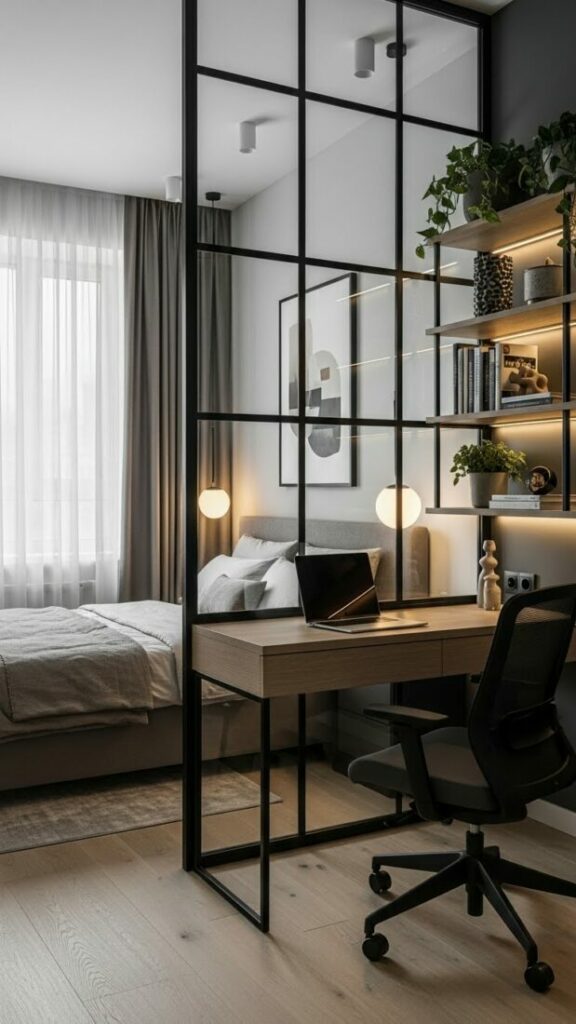
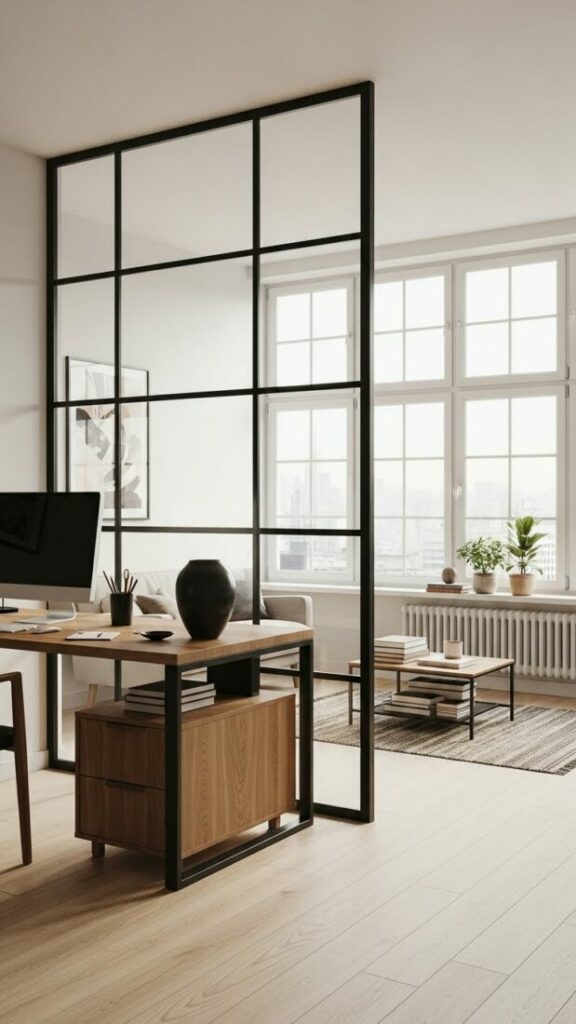
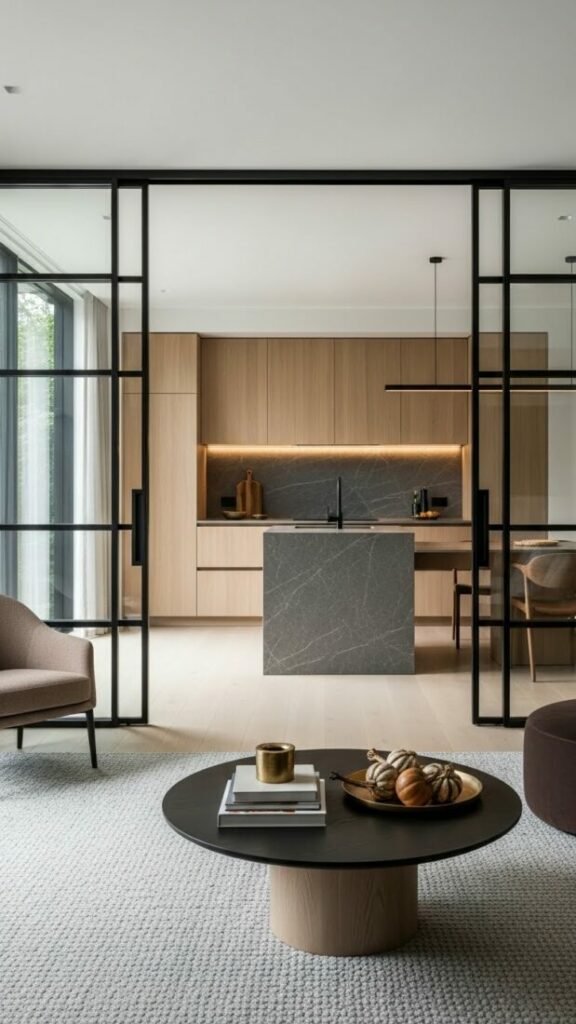
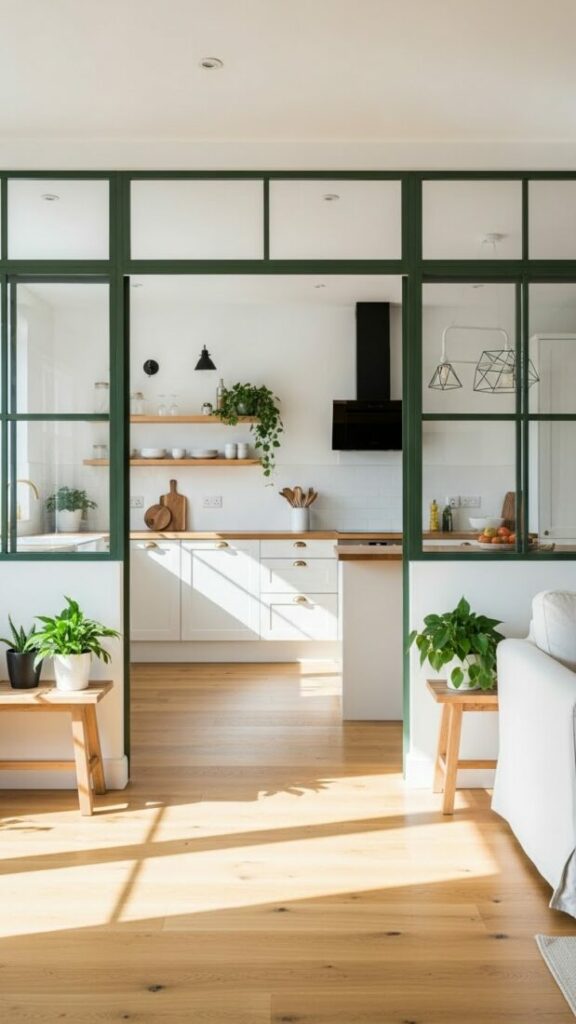
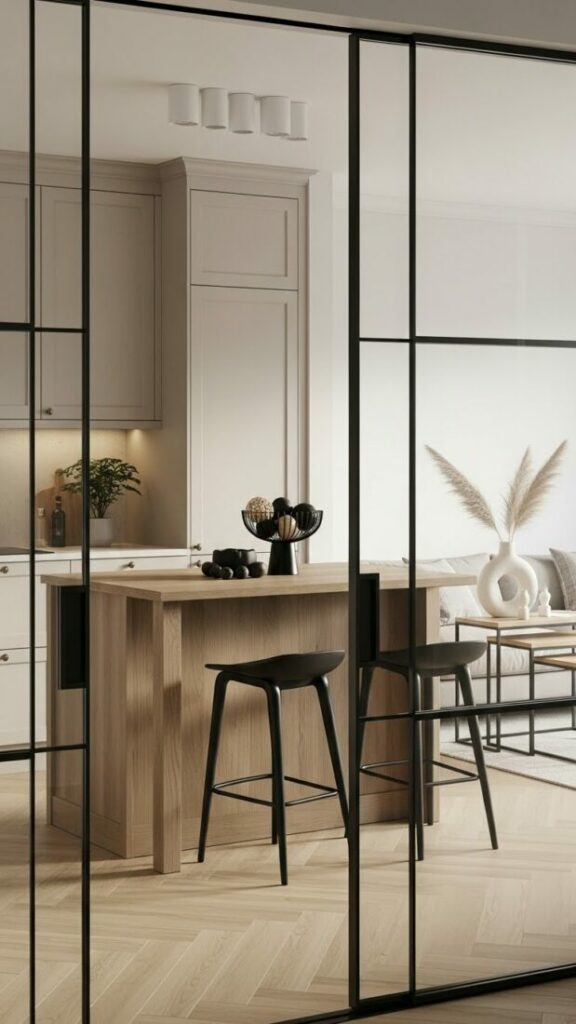
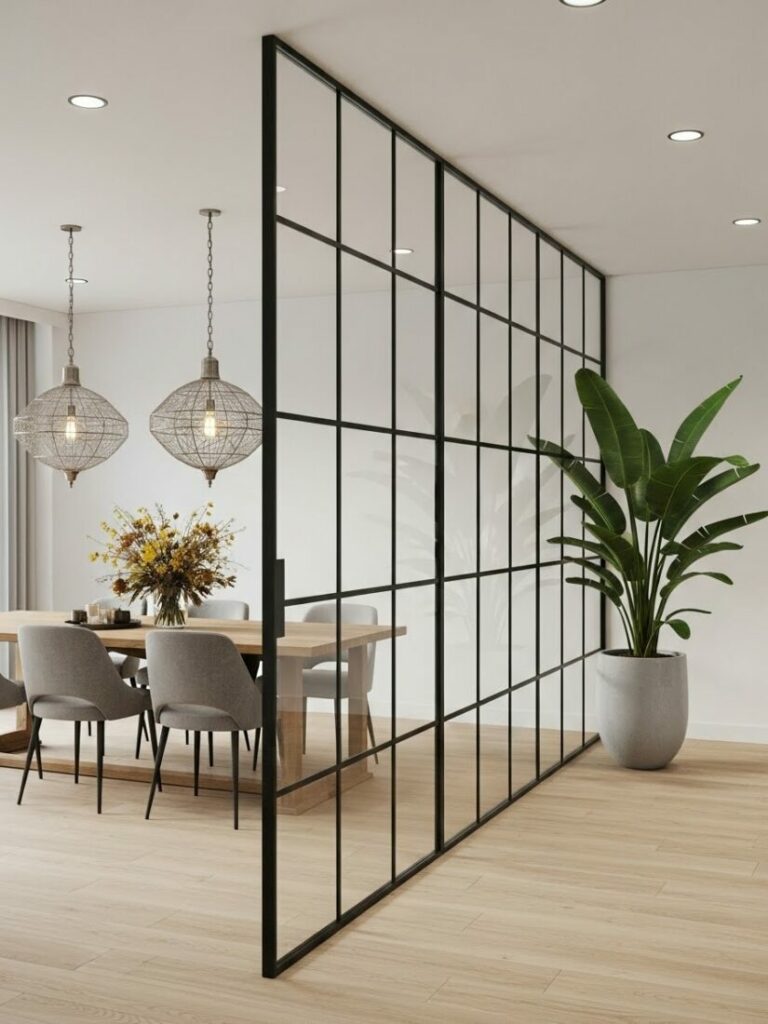
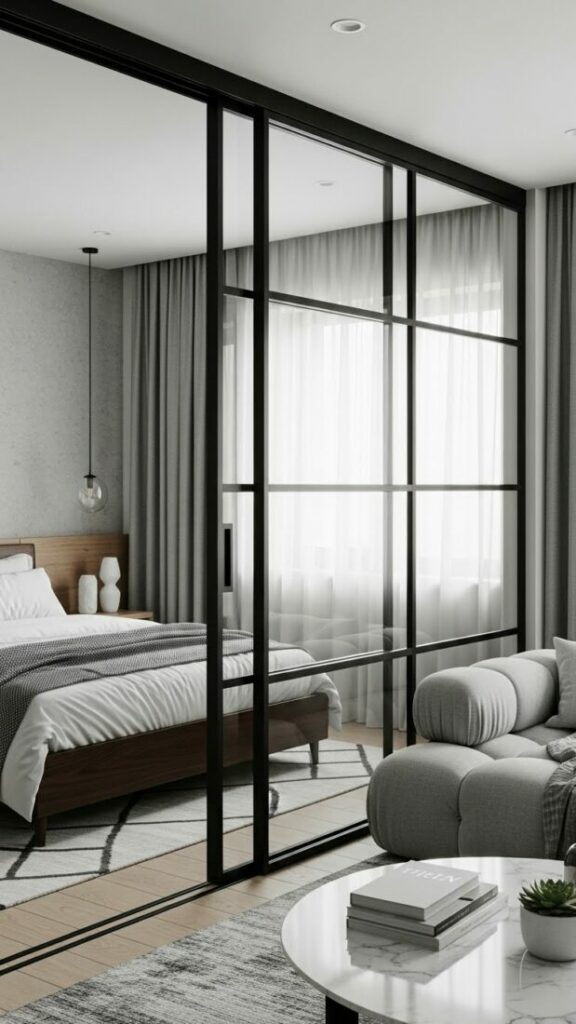
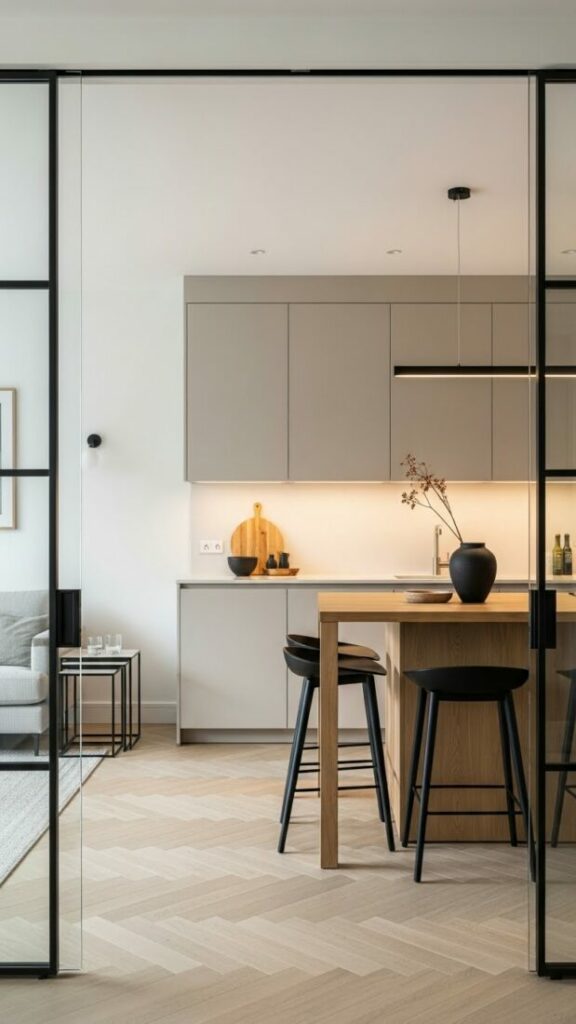
This is the most popular aesthetic currently. It features black steel frames forming a grid. It mimics the old factory windows of the 1920s.
The Vibe:
It is edgy. It is graphic. It frames the view like a picture. The black lines add definition to a plain white room.
Materials:
Authentic Crittall is made of steel. It is heavy and expensive. For a budget-friendly option, look for aluminum frames. They look identical but weigh less.
Application:
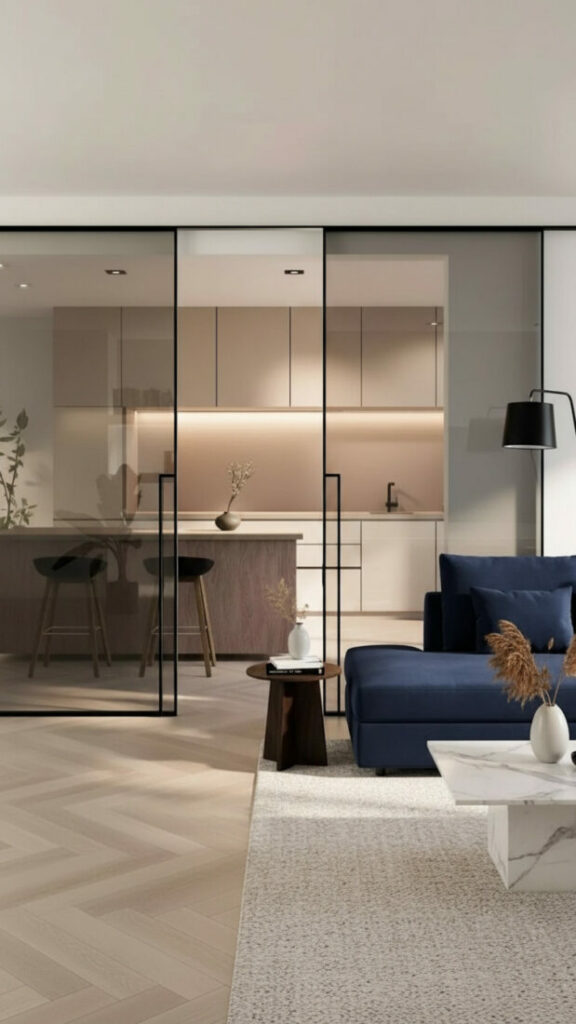
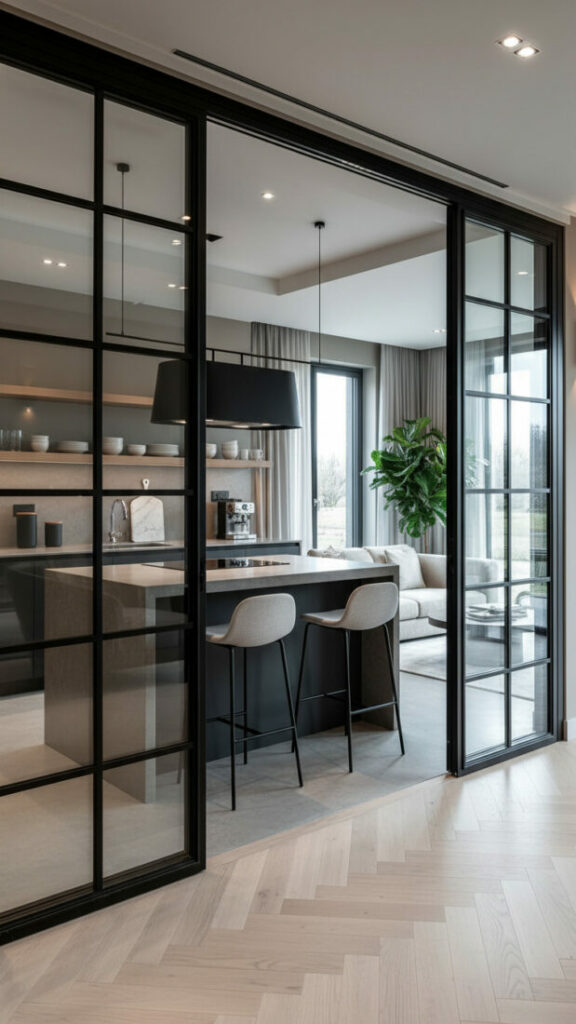
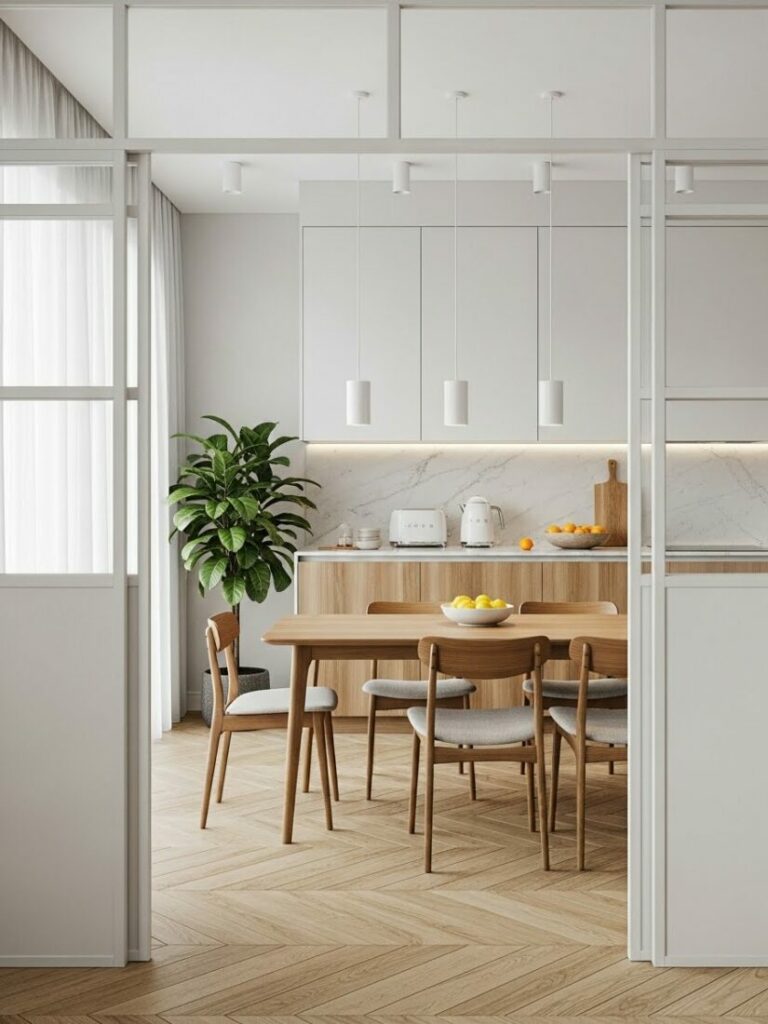
Use this to separate a kitchen from a living area. The grid pattern distracts the eye slightly. It hides the kitchen mess without blocking the view.
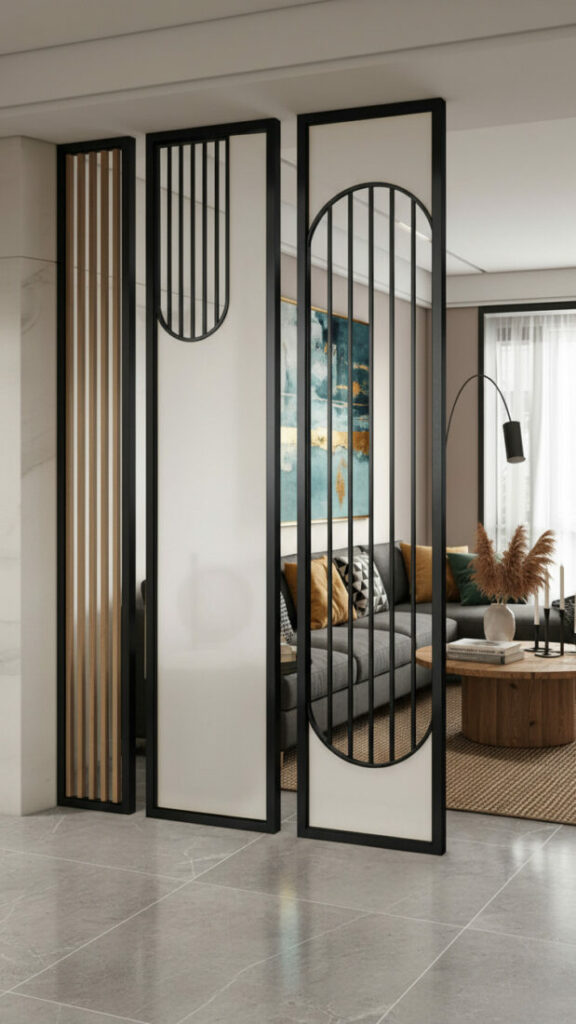
Style 2: The Reeded Glass Revolution
Transparency is great, but sometimes you need privacy. You don’t want to see the dirty laundry in the utility room.
The Texture:
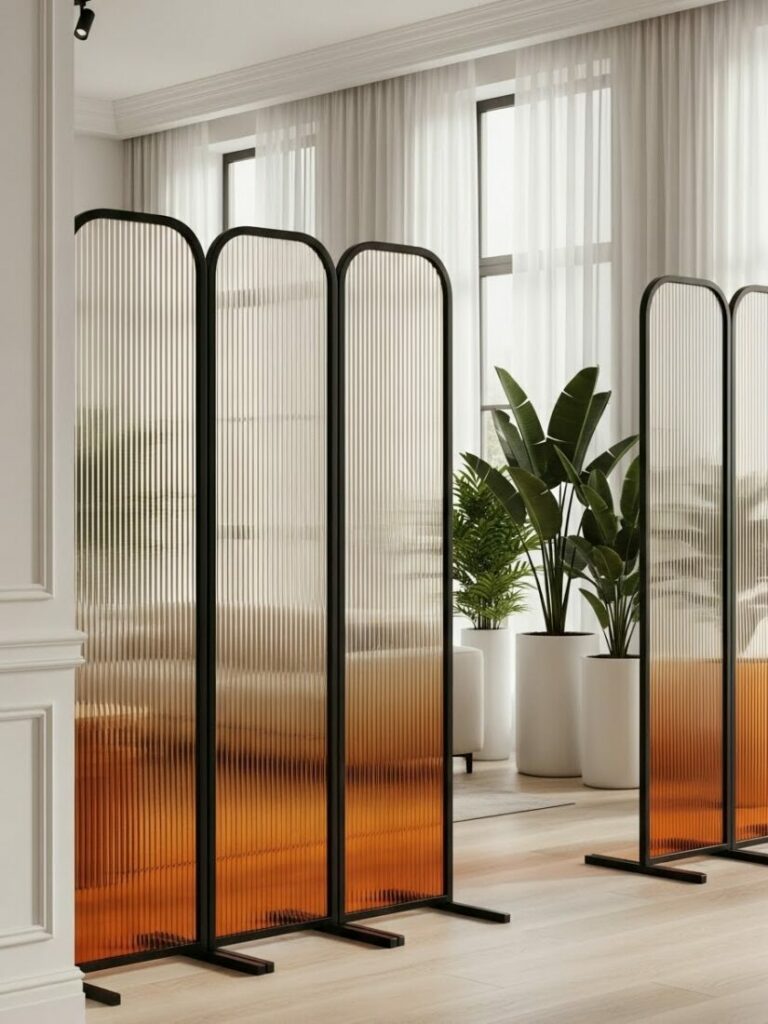
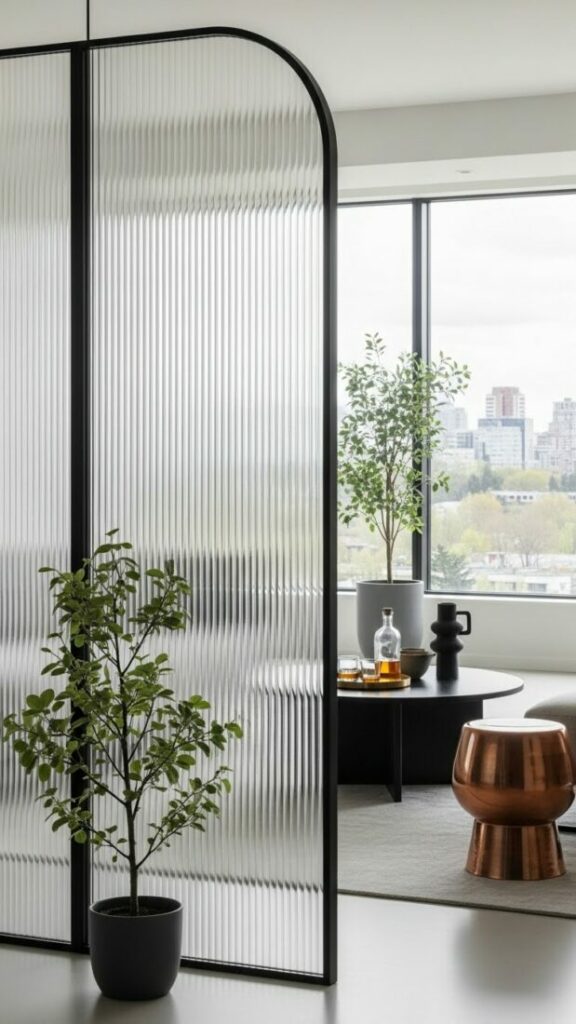
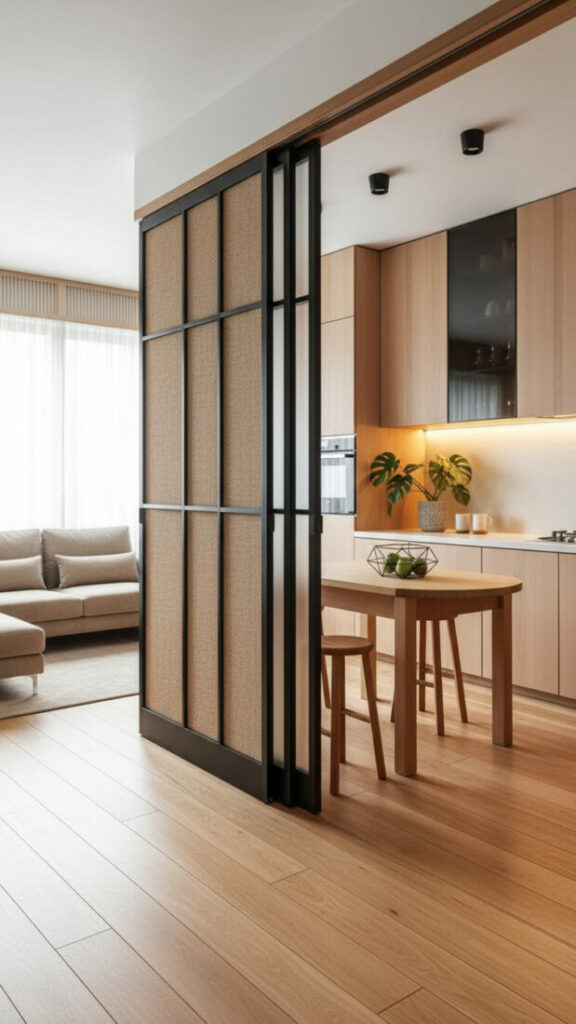
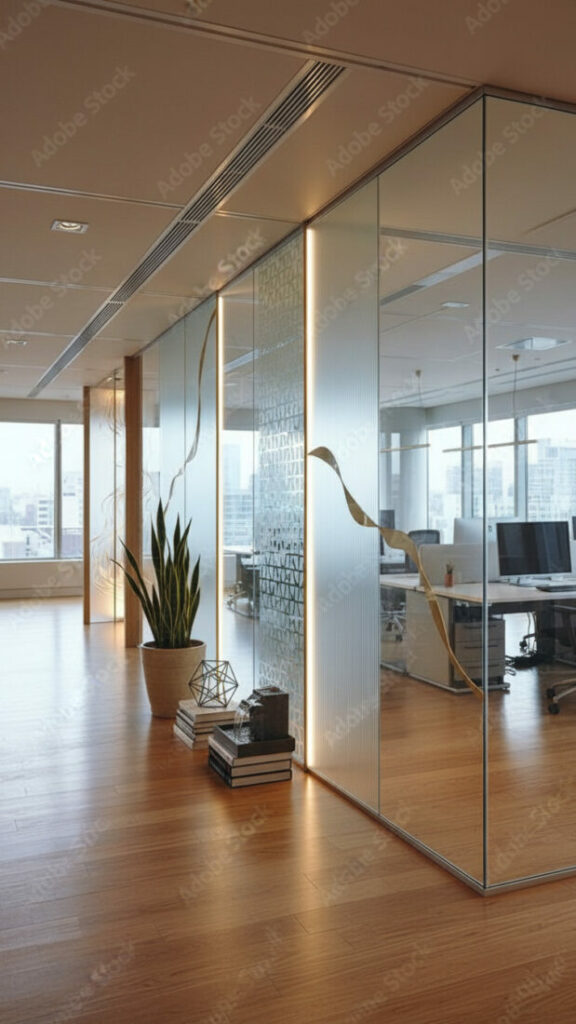
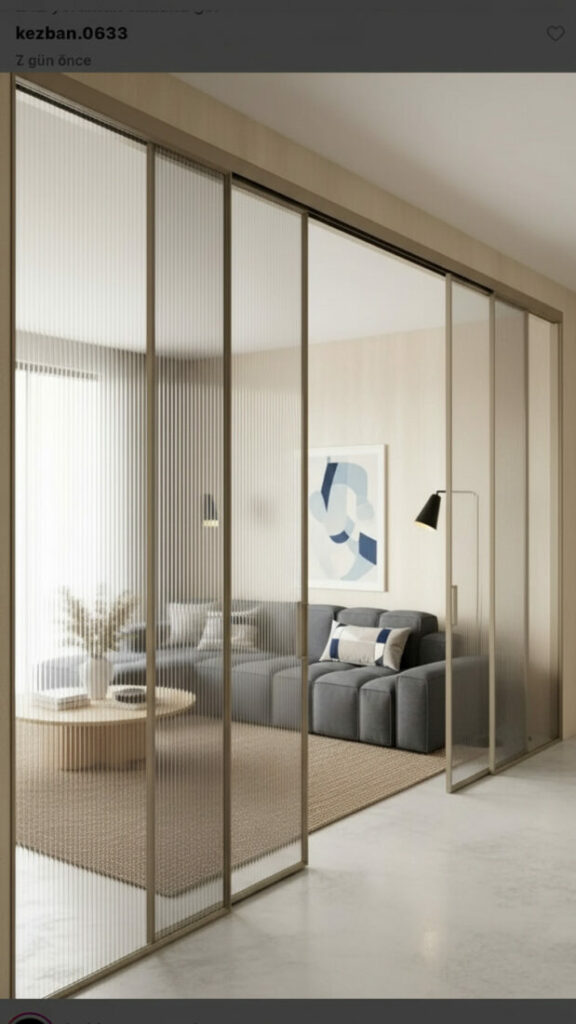
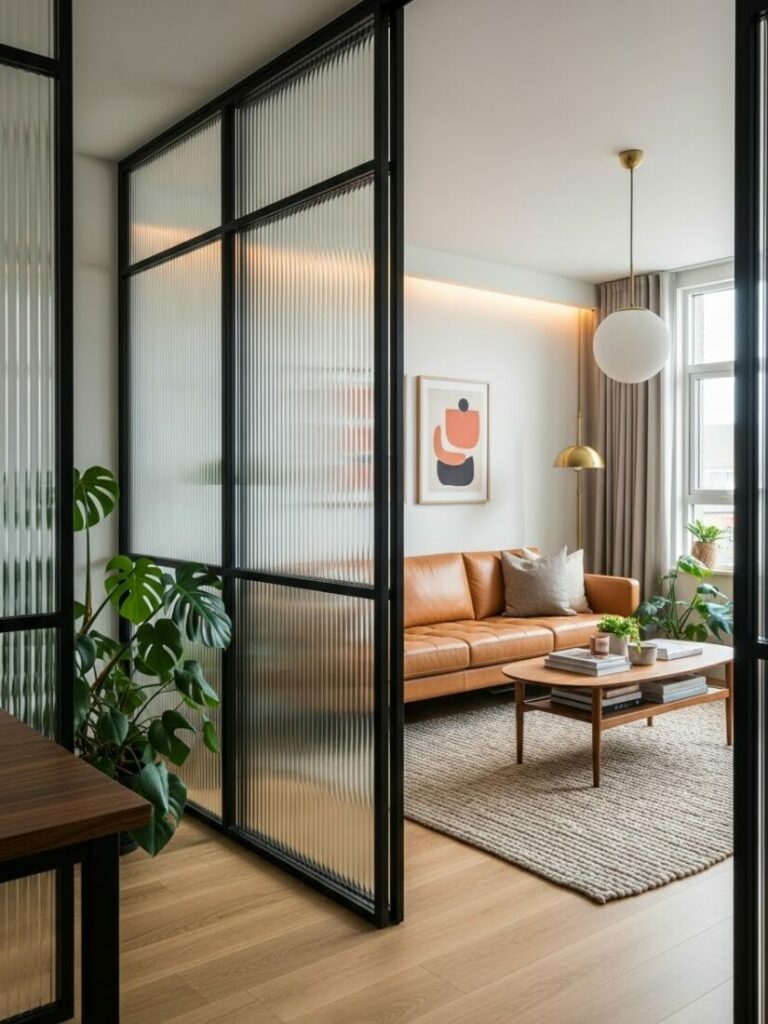
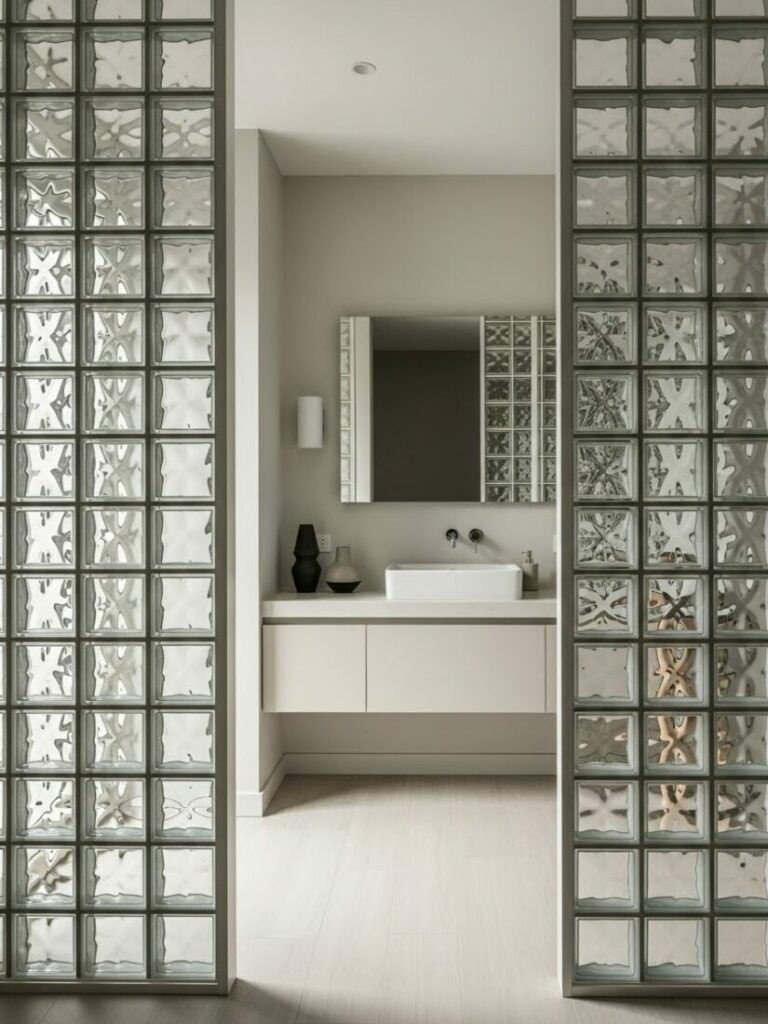
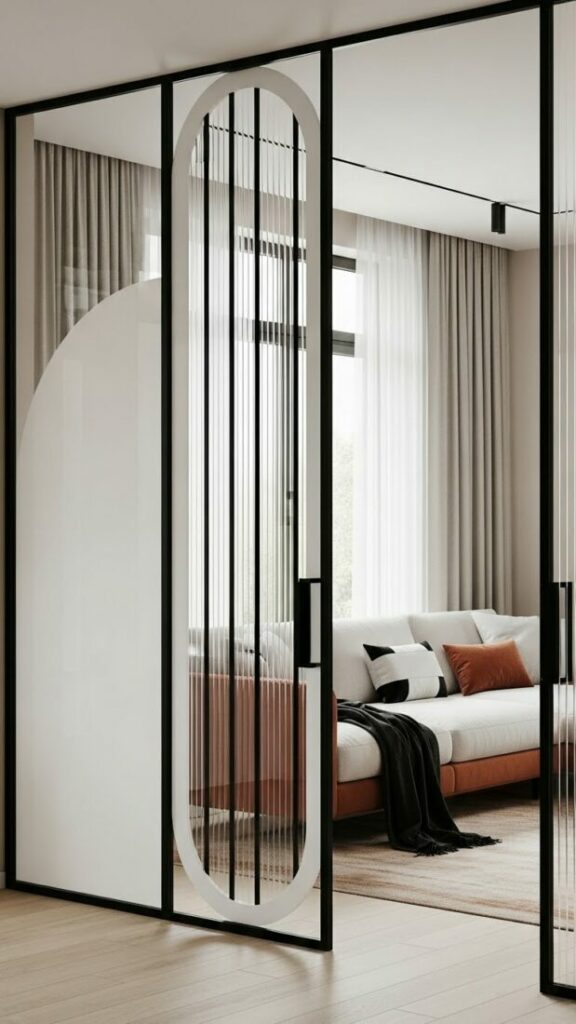
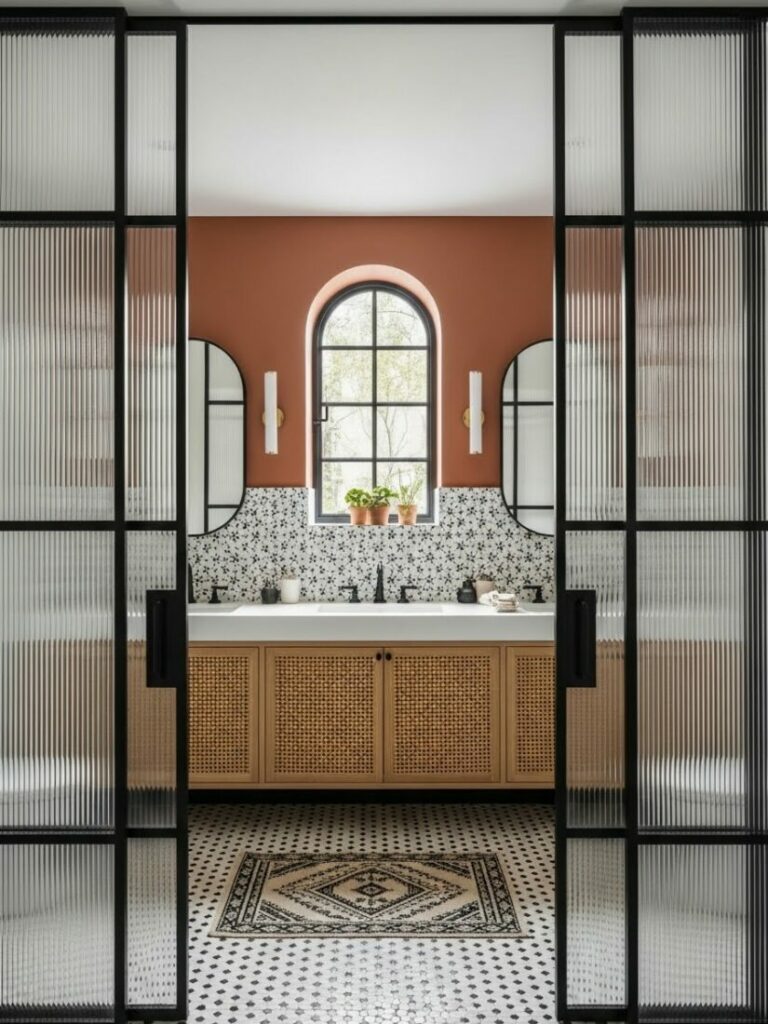
Reeded (or fluted) glass has vertical ridges. It distorts the image behind it. It creates a blur of colors and shapes.
The Light Play:
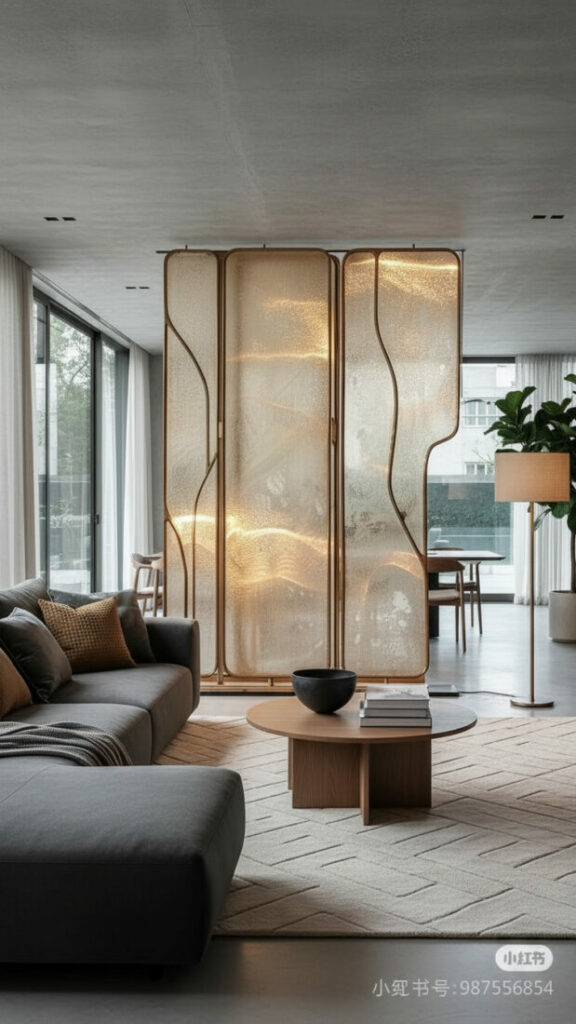
The ridges catch the light. They scatter it. It creates a glowing effect that flat glass cannot achieve. It feels vintage and Art Deco.
Style 3: The Frameless Invisible Wall
For the purist, the frame is a distraction. Frameless glass partitions are sheets of glass held together by clear silicone or minimal clips.
The Vibe:
Ultra-modern. Museum-like. It is about total transparency. It is perfect for en-suite bathrooms or showcasing a wine cellar.
Installation:
This requires precision. The glass runs into a “U-channel” recessed into the floor and ceiling. Ideally, it looks like the glass grows out of the stone.
Acoustic Performance: The Sound Barrier
Glass looks thin, but it can stop sound effectively. However, you must choose the right specification.
Single Glazed vs. Double Glazed:
Single glazing (10mm or 12mm) offers decent soundproofing for a home office. It reduces speech intelligibility. You hear a mumble, not words.
Double glazing offers superior acoustic privacy. It creates an air gap. This is necessary for conference rooms or noisy playrooms.
Acoustic Laminate:
This is a special glass with a plastic interlayer. It absorbs sound vibration. It performs better than standard toughened glass without being thicker.
The Home Office “Zoom Room”
The rise of remote work popularized glass partition walls. Working at the kitchen table is no longer viable.
The Fishbowl Effect:
A glass office keeps you connected to the family. You can see the kids playing. However, you can close the door to take a call.
Background Aesthetics:
Glass provides a professional backdrop. It looks high-end on camera. Ensure the room behind the glass (the living room) is tidy, as it will be visible.
Zoning the Bedroom and Ensuite
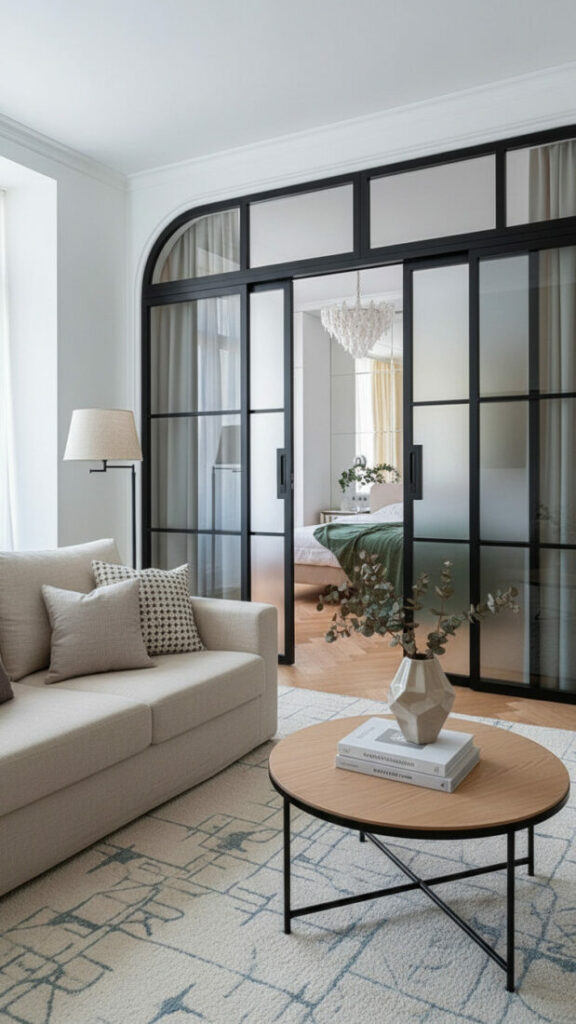
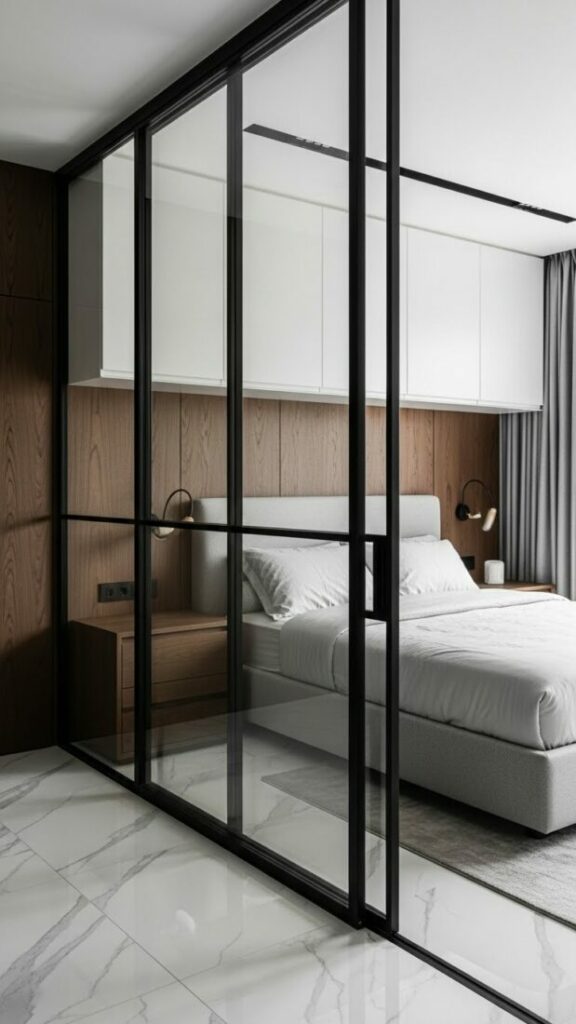
The “broken plan” master suite is a luxury hotel trend. Replace the solid wall between the bed and the bath with glass.
Moisture Control:
Glass contains the steam. It protects your bedding from humidity. Yet, it lets natural light from the bedroom flow into the bathroom.
Privacy Solutions:
Use “Switchable Smart Glass.” With a click of a button, an electrical current turns the glass from clear to frosted. It provides instant privacy when needed.
The Kitchen-Living Divide
We love open kitchens. We hate cooking smells on the sofa. Glass is the solution.
Smell Containment:
A glass wall stops the scent of frying onions from permeating your curtains. It creates a physical barrier for odors and grease.
Noise Reduction:
Dishwashers and blenders are loud. A partition allows you to watch TV in the living room while the appliances run in the kitchen.
Doors: Sliding vs. Pivot
How you enter the space matters. The door mechanism changes the flow.
Sliding Doors:
These are space savers. They slide along a track. They are perfect for small apartments where a swinging door would hit furniture.
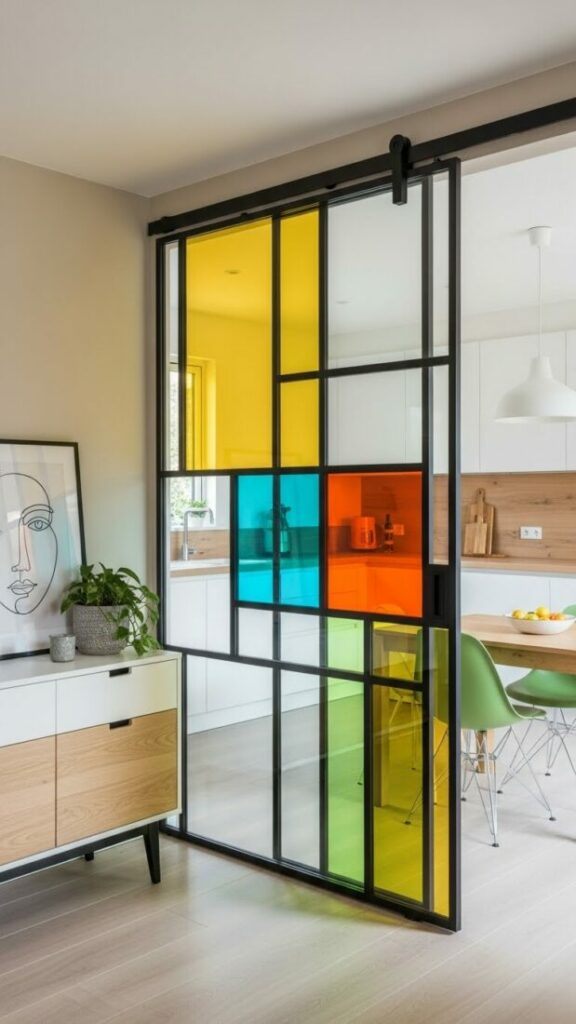
Look for “Barn Style” tracks for an industrial look. Or recessed tracks for a minimal look.
Pivot Doors:
These rotate on a central spindle. They look architectural and grand. They require more floor space to swing open.
Safety Standards and Regulations
Glass in the home must be safe. You cannot use standard window glass.
Toughened (Tempered) Glass:
This is heat-treated. It is five times stronger than regular glass. If it breaks, it shatters into small, blunt cubes. It does not create jagged shards.
Laminated Glass:
This holds together when broken. It stays in the frame. This is often required for balcony partitions or high-traffic areas.
Decorative Films and Manifestations
Large sheets of clear glass can be dangerous. People might walk into them. Building codes often require “Manifestations.”
What are Manifestations?
These are stickers or etched designs on the glass. They make the barrier visible. They usually sit at eye level.
Design Opportunity:
Do not just use dots. Use geometric lines. Use branding if it is an office. Use a frosted gradient for style and safety.
The Arched Glass Trend
Curves are trending in interior design. Glass partition walls are adapting.
The Archway:
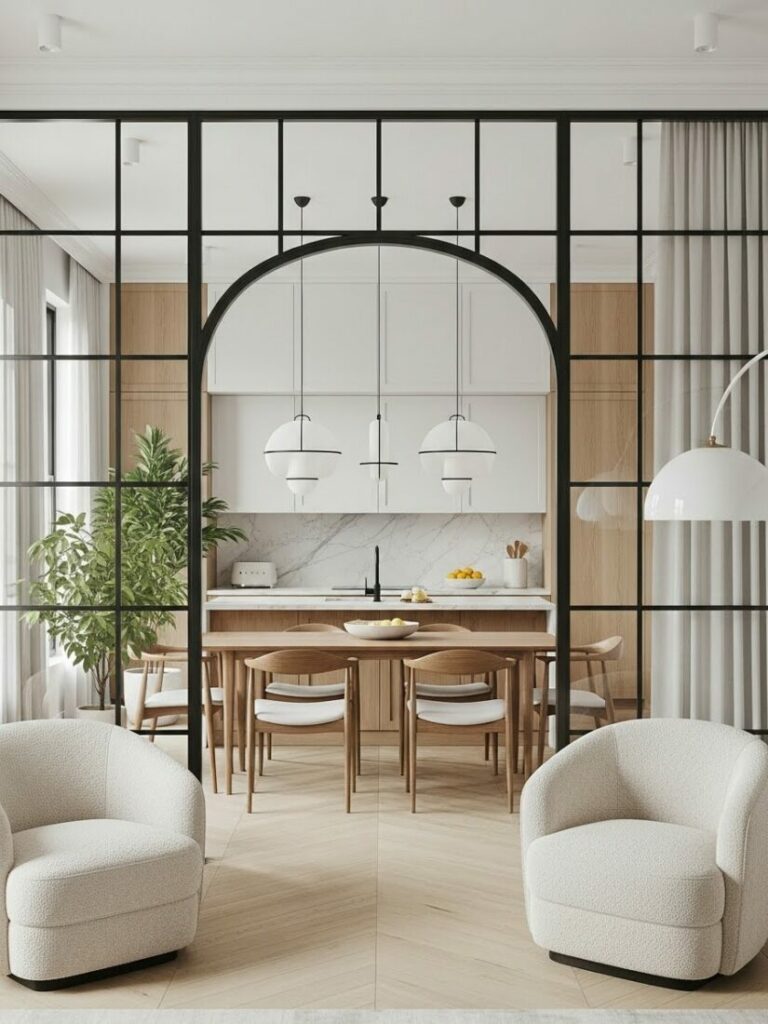
Steel frames can be bent into arches. An arched double door creates a romantic, classical entrance.
It softens the harsh grid lines. It works beautifully in Victorian or Art Deco homes.
Color and Tint
Clear glass is standard. Tinted glass is a mood.
Bronze Tint:
This adds warmth. It casts a golden glow on the room. It looks incredible with walnut wood and brass hardware.
Smoked Grey:
This is moody and masculine. It reduces glare. It works well in media rooms or bachelor pads.
Curtain Layering for Softness
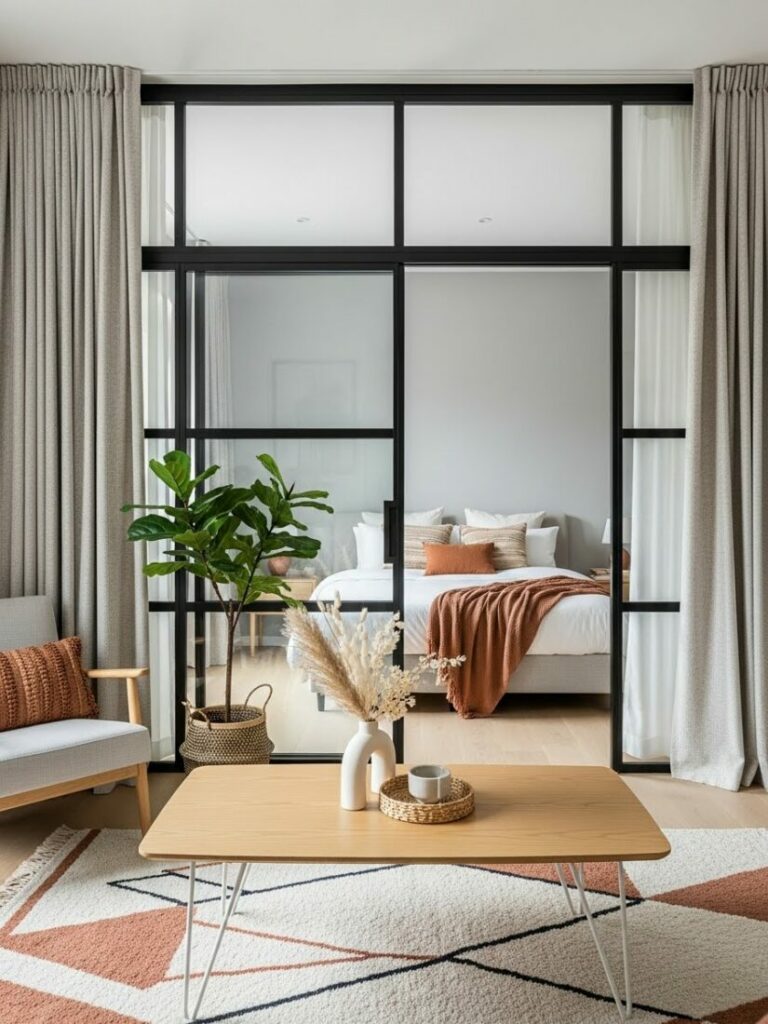
Glass is hard. It reflects sound. To balance the acoustics and aesthetics, layer curtains over the glass.
The Soft Wall:
Install a ceiling track. Hang sheer linen drapes. You can pull them closed for visual privacy.
The combination of the hard steel grid and the soft, flowing fabric creates a sophisticated textural contrast.
Biophilic Integration
Glass walls are perfect for plant lovers. They act like a greenhouse.
The Green View:
Place a large plant on the other side of the glass. It frames the greenery. It turns the plant into art.
The humidity from plants stays in the “greenhouse” zone, while you enjoy the view from the dry living room.
Installation: Retrofit vs. New Build
Can you add glass partition walls to an existing home? Yes, but it requires planning.
Structural Support:
Glass is heavy. The ceiling must be able to hold the weight if it is top-hung. You might need to reinforce the joists.
Floor Levels:
If you are installing a floor track, it might create a trip hazard. Recessing the track requires cutting into the floor. Surface-mounted tracks are easier but visible.
Cost Factors
Glass partitions are an investment. Several factors drive the price.
Steel vs. Aluminum:
Steel is 30% to 50% more expensive than aluminum. It is thinner and stronger.
Glass Type:
Acoustic glass costs more than standard toughened glass. Reeded glass costs more than clear glass.
Bespoke vs. Standard:
Custom sizes require custom manufacturing. Standard sized “kits” are cheaper but might not fit your opening perfectly.
Cleaning and Maintenance
The downside of glass is fingerprints. If you have kids or dogs, be prepared.
The Squeegee Life:
Invest in a professional squeegee. It is the fastest way to clean glass without streaks.
Microfiber Magic:
Use microfiber cloths for spot cleaning. Avoid paper towels; they leave lint.
Pattern Hiding:
Reeded or frosted glass hides smudges better than clear glass. If you hate cleaning, choose texture.
Common Mistakes to Avoid
1. Ignoring Acoustics:
Don’t just buy for looks. If you need a quiet office, ensure the glass is rated for sound reduction. Gaps around the perimeter let sound leak.
2. Incorrect Measurements:
Glass cannot be cut once tempered. If you measure wrong by 2mm, the glass is trash. Always hire a professional for the final measure.
3. Blocking Airflow:
If you close off a room with glass, ensure it has HVAC supply. You don’t want to create a greenhouse that gets too hot.
Conclusion: The Clear Choice
Implementing glass partition walls is a lifestyle upgrade. It allows your home to breathe.
It creates distinct zones for work, rest, and play without sacrificing connection. It brings light into the darkest corners.
Whether you choose the grit of the industrial grid or the glamour of reeded texture, the result is the same: A home that feels larger, brighter, and more intentional.
Break the plan, but keep the view.