Stop letting that awkward sliver of yard go to waste and give it some personality instead. Building a gorgeous, functional outdoor retreat is surprisingly simple once you tap into the best Narrow Garden Ideas for tight spaces. Try lining the edges with tall planters and cascading vines to instantly trick the eye into seeing a wider, more expansive landscape.
If you’re a gardening enthusiast or a space-saving pro, this post is tailor-made for you. Whether you have a small backyard, a narrow balcony, or a limited front yard, you’ll find inspiration here. You deserve a garden that feels inviting and reflects your style, even when space is tight. I’ve gathered together 17 mind-blowing landscaping tips that are creative, practical, and totally achievable. Get ready to unlock the potential of your narrow garden like never before!
By diving into these tips, you’ll discover how to create vertical gardens, use narrow pathways creatively, and incorporate multi-functional furniture. Each idea is designed to maximize your space while providing visual appeal and practicality. Not only will you enhance your garden’s aesthetics, but you’ll also make it a more enjoyable place to spend time. Let’s get started on transforming your narrow garden!
Vertical Gardens: Use walls and fences to grow plants upward, saving ground space while adding greenery and beauty.
Narrow Pathways: Design walking paths that are both functional and visually appealing, guiding visitors through your garden without overwhelming it.
Layer Planting: Create depth by layering plants of different heights, which helps draw the eye and utilizes vertical space efficiently.
Multi-Functional Furniture: Incorporate seating or storage solutions that serve more than one purpose, making your garden space practical as well as lovely.
Seasonal Interest: Plan for seasonal changes by selecting a variety of plants that bloom at different times, ensuring your garden remains vibrant year-round.
1. Create Vertical Gardens
Want to make the most of your narrow garden? Try creating vertical gardens! This clever technique allows you to grow plants upward, saving precious floor space while adding lush green beauty. Use wall-mounted planters, trellises, or hanging pots to bring life to your walls and fences, transforming your garden into a vibrant oasis.
Choose plants that thrive in vertical setups, like climbing roses, ivy, or fragrant herbs such as basil and mint. Mixing different colors and textures will enhance the visual appeal even further. Don’t shy away from colorful pots or unique layouts—these elements can really make your vertical garden pop. Plus, these gardens help improve air quality and attract beneficial insects, making your space healthier.
Key tips for success: – Select lightweight pots to protect your walls. – Ensure your plants receive adequate sunlight. – Group plants with similar watering needs for easy care.
With vertical gardening, you can enjoy a flourishing space, even in the tightest areas!
2. Use Narrow Pathways
How you design pathways can significantly affect the feel of your narrow garden. Instead of wide paths, opt for narrow, winding walkways that invite exploration. This approach not only enhances intimacy but also frees up more room for planting, making your garden feel lush and inviting.
Consider using materials like gravel, stepping stones, or compact pavers to construct these pathways. Lining them with low-growing plants or decorative rocks can add charm and direct focus to your garden’s beauty. Curved paths can introduce a playful element, making your space feel more expansive and welcoming, while also allowing for easy maintenance access.
Essential pathway tips: – Incorporate curves for added visual interest. – Choose durable materials that suit your climate. – Add lights along the paths for a magical nighttime ambiance.
A thoughtfully designed pathway can transform your narrow garden into a personal retreat, inviting you to explore its hidden gems.
3. Layer Your Plants
Layering plants is key to adding depth and vibrancy to narrow gardens. By arranging plants of various heights, you can draw the eye upward and create a more dynamic visual experience. This technique not only beautifies your garden but also ensures that each plant receives the sunlight it needs to thrive.
Start with taller plants at the back or center, then gradually transition to shorter ones at the front. Mix perennials, annuals, and ornamental grasses for an engaging display. This arrangement allows plants to share space and light, fostering a healthier garden environment.
Tips for effective layering: – Combine foliage and flowering plants for diversity. – Select plants that bloom in different seasons for year-round interest. – Group plants with similar watering needs to simplify maintenance.
By planning your plant layers carefully, you can create a stunning tapestry of colors and textures in your narrow garden.
4. Transform with Mirrors
Mirrors can work wonders in your narrow garden, creating the illusion of space while adding a touch of elegance. When placed wisely on walls or fences, mirrors reflect greenery and light, drawing the eye deeper into your garden and making it feel larger and brighter.
Choose mirrors with ornate frames for a vintage vibe or sleek designs for a modern touch. You can even integrate mirrors into trellises or near water features for a striking effect. Just make sure they catch sunlight and reflections from your plants to maximize their impact.
Key mirror tips: – Avoid facing mirrors directly at each other to prevent an overwhelming effect. – Use weather-resistant mirrors to withstand outdoor conditions. – Experiment with various shapes and sizes for visual diversity.
Incorporating mirrors not only enhances your garden’s aesthetics but also elevates its charm and allure!
In tight spaces, multi-functional furniture can be a real lifesaver. Look for benches with built-in storage, folding tables, or planter benches that double as seating. This way, you can enjoy your garden while making the most of every square inch.
Select materials that are durable yet visually appealing, such as weather-resistant wood or metal. These pieces can complement your garden’s natural beauty while providing comfort and functionality. Thoughtfully placed furniture can enhance usability, making your garden a perfect spot for relaxation and social gatherings.
Essential furniture tips: – Position furniture to maximize views while keeping pathways clear. – Add colorful cushions or throws for comfort. – Match your furniture to your garden’s overall theme for a cohesive look.
With smart selections, multi-functional furniture can transform your narrow garden into a cozy retreat, perfect for unwinding after a busy day.
Incorporate Multi-Functional Furniture
Editor’s Choice
🛍️
2-in-1 Outdoor Planter Box with Bench, Outdoor Bench with Raised Garden …
Color is crucial in narrow garden designs, influencing how the space feels and looks. A well-thought-out color scheme can make your small garden appear larger and more organized. Pick a palette that resonates with you—vibrant hues for energy or soft pastels for tranquility.
Enhance your color scheme by choosing plants, pots, and accessories that complement your selected shades. For a cool palette, think blues and purples paired with silver pots. If you prefer warm tones, oranges and yellows with earthy clay pots can create a cheerful atmosphere. This intentional approach not only beautifies but also fosters harmony in your garden.
Key color tips: – Stick to 2-3 main colors for simplicity. – Use contrasting colors for focal points that draw attention. – Include colorful garden art that aligns with your palette.
By thoughtfully embracing color, your narrow garden can become a delightful extension of your home!
7. Use Raised Garden Beds
Raised garden beds are perfect for maximizing gardening potential in narrow spaces. They not only define your garden area but also make maintenance easier, reducing strain on your back and knees. You can create visually striking designs by stacking beds or varying their heights.
Select materials like wood, stone, or composite materials that match your garden’s aesthetic. You can plant a range of herbs, vegetables, or flowers in these beds, utilizing every inch of your narrow garden effectively. This approach allows for creative planting arrangements and optimized space usage.
Key raised bed tips: – Ensure proper drainage to keep plants healthy. – Use a nutrient-rich soil mix for optimal growth. – Position beds to maximize sunlight exposure throughout the day.
With raised garden beds, you can cultivate a thriving garden that enhances both functionality and beauty in narrow spaces.
Use Raised Garden Beds
Editor’s Choice
🛍️
4-Tier Vertical Wooden Raised Garden Bed, herb garden planter, Carbonize…
Water features can introduce a sense of peace and tranquility to your narrow garden. Even a small fountain or a tiny pond can create soothing sounds and a calming atmosphere that invites relaxation. These elements also attract wildlife, adding life to your garden space.
Consider adding a simple birdbath, a wall-mounted fountain, or a small pond planted with aquatic flora. The gentle sound of trickling water can transform your yard into a serene escape, perfect for unwinding or hosting gatherings. Make sure these features are proportionate to your garden size for balance and visual appeal.
Key water feature tips: – Select energy-efficient pumps for fountains. – Surround water features with lush plants for integration. – Consider lighting options for nighttime enjoyment.
Overall, adding a water feature will enhance the charm and serenity of your narrow garden.
Add Water Features
Editor’s Choice
🛍️
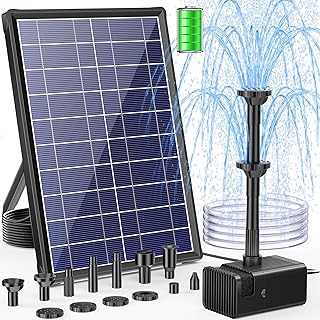
POPOSOAP Solar Fountain Pump with 3600mAh Battery Backup, 8W Solar Power…
Trellises are ideal for maximizing vertical space in narrow gardens. By training climbing plants like jasmine, clematis, or morning glories on these structures, you can add privacy and visual interest to your outdoor space.
These decorative elements provide vertical lines that contrast beautifully with lush greenery. Placing trellises against fences or walls can break up vast surfaces while creating stunning green backdrops. They also offer support for edible plants, increasing productivity without occupying horizontal space.
Important trellis tips: – Select a trellis design that complements your garden style. – Regularly prune climbing plants to maintain a neat appearance. – Opt for lightweight materials to ensure they don’t overwhelm the area.
With trellises, you can enhance both the beauty and functionality of your narrow garden, showcasing vibrant vertical growth.
Choosing native plants for your narrow garden is a smart way to ensure success. These plants are naturally adapted to your local climate and soil, often requiring less water and maintenance—perfect for busy gardeners or beginners.
Native plants also attract local wildlife, such as pollinators and birds, enhancing your garden’s biodiversity. They come in various shapes, sizes, and colors, allowing for easy creation of an appealing landscape. Mix perennials and annuals for a vibrant garden that remains lively throughout the seasons.
Key native plant tips: – Research local species to find the best options. – Group native plants for a natural look. – Space plants appropriately to avoid overcrowding.
By selecting native plants, you not only create a low-maintenance garden but also contribute positively to your local ecosystem.
Adding garden art can give your narrow garden a personal touch. Unique sculptures, ceramic pieces, or decorative stones can infuse character and showcase your style. These artistic elements break up green space and add intrigue to the landscape.
Choose art that complements your garden’s theme, whether whimsical, modern, or rustic. Position art pieces along pathways or among plants for delightful surprises. Don’t forget to rotate decorations seasonally to keep your garden fresh and exciting.
Key garden art tips: – Ensure art is durable and weather-resistant. – Vary heights in placement for visual interest. – Coordinate colors and styles with your overall garden design.
Incorporating garden art enhances your narrow garden’s charm, creating a unique outdoor space that reflects your personality.
Introduce Garden Art
Editor’s Choice
🛍️
Large Metal Wind Spinner for Garden and Yard – 63 Inch Kinetic Outdoor S…
Establishing cozy seating areas in your narrow garden allows you to fully enjoy your outdoor space. Consider adding a small bistro table with chairs, a comfy lounge chair, or even a hammock if space permits. This not only boosts functionality but also promotes relaxation and social interaction.
Select lightweight, weather-resistant furniture that can be easily rearranged. Soft cushions can enhance comfort and add a splash of color, making your seating area inviting. Incorporating privacy elements like tall plants or trellises can create a secluded retreat, perfect for unwinding from daily stress.
Key seating area tips: – Position seating to take advantage of the best views. – Use outdoor rugs to visually define seating areas. – Include a small side table for drinks or snacks.
With well-planned seating areas, your narrow garden can become a cozy haven for relaxation and gatherings.
13. Utilize Edible Landscaping
Edible landscaping is a fantastic way to combine beauty and functionality in your narrow garden. By incorporating fruits, vegetables, and herbs into your design, you can create an attractive and productive space. Imagine vibrant strawberries nestled among flowers or aromatic herbs enriching your garden’s fragrance.
This approach allows you to grow food while still maintaining an aesthetically pleasing environment. With proper planning, you can cleverly mix ornamental and edible plants for a stunning visual impact. Consider raised beds for vegetables, vertical planters for herbs, or compact fruit trees to fit your space.
Key edible landscaping tips: – Choose compact varieties of fruits and vegetables for smaller spaces. – Include edible plants that can also serve as ornamental features. – Schedule plantings for seasonal variety and continuous harvests.
Embracing edible landscaping enriches your narrow garden while offering the satisfaction of growing your own food!
14. Incorporate Dramatic Focal Points
Dramatic focal points can add visual excitement and draw attention in narrow gardens. Use striking sculptures, unique planters, or bold plants to create these anchor pieces that define your garden’s design.
Select elements that stand out yet harmonize with your overall theme. Large containers with eye-catching plants or a stunning water feature can serve as excellent focal points. By carefully positioning these elements, you can create a more dynamic landscape that captures attention and leaves a lasting impression.
Key focal point tips: – Choose features that resonate with your style and preferences. – Ensure they are proportionate to your garden size. – Use plants with contrasting colors or shapes to enhance the dramatic effect.
Dramatic focal points can elevate your narrow garden’s design, making it a true showstopper.
15. Plan for Seasonal Change
Planning for seasonal change is key to keeping your narrow garden interesting throughout the year. By selecting a variety of plants that bloom at different times, you can create a dynamic space that evolves with the seasons.
Incorporate early bloomers, summer perennials, and fall foliage to maintain color and visual interest year-round. Add evergreen plants for structure during the winter months. Grouping plants by their blooming periods allows you to enjoy vibrant displays at various times, creating a garden that feels alive and ever-changing.
Key seasonal planning tips: – Research plant hardiness zones to select appropriate species. – Plan for staggered bloom times to ensure continuous color. – Integrate seasonal decorations for added charm throughout the year.
By planning for seasonal change, you can create a narrow garden that delights the senses every month.
16. Consider Lighting
Outdoor lighting can dramatically enhance the beauty and functionality of your narrow garden at night. By strategically placing lights along pathways, around seating areas, or near focal points, you can create a warm and inviting atmosphere perfect for evening enjoyment.
Consider using solar-powered lights for convenience and environmental benefits. String lights can add a whimsical touch, while spotlights can highlight specific plants or features. Adequate lighting not only beautifies but also increases safety, preventing accidents in dimly lit areas.
Key lighting tips: – Choose fixtures that complement your garden’s style. – Layer different types of lighting for depth and interest. – Consider timers or smart systems for added convenience.
With thoughtful lighting choices, your narrow garden can shine spectacularly, extending its charm into the night.
Don’t forget to engage all your senses in your narrow garden design! Incorporate elements that appeal to sight, smell, touch, and even sound for a truly immersive experience. Choose fragrant plants, like lavender or jasmine, to fill the air with delightful aromas.
Include textural plants, such as lamb’s ear or ornamental grasses, that invite interaction. Adding soothing sound elements, like wind chimes or small fountains, can amplify the sensory experience. By creating a multi-sensory environment, you enrich your garden space and make it a sanctuary for relaxation and enjoyment.
Key sensory engagement tips: – Combine plants with varying scents, colors, and textures. – Tastefully integrate sound elements into your design. – Use seating areas to encourage exploration and reflection.
Engaging the senses will turn your narrow garden into a personal oasis, stimulating joy and tranquility in your outdoor experience.
💡
Key Takeaways
Essential tips from this article
🌱
ESSENTIAL
Create Vertical Gardens
Maximize space by using vertical gardening techniques to grow plants upwards, saving valuable ground area.
🛤️
QUICK WIN
Use Narrow Pathways
Design pathways that are slim and efficient to guide visitors while keeping the garden feeling open and spacious.
🌼
PRO TIP
Layer Your Plants
Organize plants in layers from tall to short, enhancing depth and visual interest in your narrow garden.
🏞️
ADVANCED
Transform with Mirrors
Incorporate mirrors to create an illusion of space and reflect light, making your garden appear larger.
🛋️
BEGINNER
Incorporate Multi-Functional Furniture
Choose furniture that serves multiple purposes, such as storage benches, to optimize limited space.
💡
WARNING
Consider Lighting
Use strategic lighting to highlight features and create ambiance, enhancing the beauty of your narrow garden at night.
Conclusion
Transforming a narrow garden into a stunning outdoor space is all about creativity and innovation. By implementing these 17 landscaping tips, you’ll maximize every inch of your garden while enjoying a diverse and vibrant environment. Embrace the challenge and let your narrow garden become a beautiful extension of your home, filled with life and color.
Remember, each garden is unique, so take the time to experiment and discover what works best for you. Happy gardening!
Note: We aim to provide accurate product links, but some may occasionally expire or become unavailable. If this happens, please search directly on Amazon for the product or a suitable alternative.
This post contains Amazon affiliate links, meaning we may earn a small commission if you purchase through our links, at no extra cost to you.
Frequently Asked Questions
What are the best layout strategies for narrow garden designs to maximize space?
Start with a long, narrow footprint and plan a linear layout that runs the length of the space. Stack elements front-to-back: low groundcovers, mid-height shrubs, and a slim vertical feature at the far end. Use slim, meandering pathways or stepping stones no wider than 2 ft to keep the corridor feel. Choose narrow-growing plants and repeat elements to create rhythm. Embrace vertical gardening with trellises, wall planters, and hanging baskets to free precious ground space. Finish with a reflective surface or pale gravel to visually widen the area. These are practical landscaping ideas for narrow garden designs.
Which plants are ideal for small gardens and narrow spaces?
For small gardens and narrow spaces, pick plants that stay compact: dwarf and columnar varieties, evergreens for year-round structure, and colorful seasonal blooms. Use container gardens on a balcony or along a fence to add greenery without crowding ground space. Favor low-maintenance selections that bloom at different times to keep color year-round. Pair planters with slim edging and a single seating area to keep the space usable. These tips plug directly into landscaping ideas for small gardens.
How can I create visual depth and focal points in a narrow garden?
Place a strong focal point at the far end—like a narrow water feature, sculpture, or a vertical garden wall—to draw the eye away from the space’s narrow width. Build depth with three plant layers: low groundcovers, mid-height shrubs, and a tall specimen at the back. Use color blocks and repeated elements along the length to guide the eye. Add strategic lighting to highlight texture after dark. These techniques are solid landscaping ideas for narrow garden designs.
What affordable landscaping ideas work best for tight spaces?
Start with a budget-friendly plan: reuse pallets or cedar slats to build vertical planters, run a single long container row, and lay light-colored gravel to visually widen the space. Use container gardens and vertical planters to add greenery without sacrificing ground space. Choose affordable plants that fit your sun and water needs, leaning toward perennial varieties for long-term savings. Add simple outdoor lighting and a basic irrigation setup (drip or soaker hoses) to cut water waste. These are practical landscaping ideas for small gardens.
How do I maintain a low-maintenance narrow garden design?
Create a low-maintenance rhythm by choosing native and drought-tolerant species suited to your climate. Build a simple planting backbone and repeat accents along the length to reduce upkeep. Mulch deeply to retain moisture and suppress weeds, and install a drip irrigation system to water efficiently. Keep groundcovers to a minimum and let perennials do the heavy lifting. These steps are essential to narrow garden designs that stay beautiful with less effort.