
Embarking on a home renovation project can be daunting, but few spaces offer as much immediate gratification as the foyer. Because the square footage is limited, a focused effort can yield dramatic results in a single weekend. However, the constraints of a small footprint mean there is no room for error. Every inch must be accounted for. This is why a structured Small Entryway Makeover Checklist is essential. It moves you from chaotic clutter to a curated, functional welcome zone.
Whether you are dealing with a dark apartment hallway or a front door that opens directly into the living room, the principles of design remain the same: declutter, define, and decorate. This guide is designed to be your project manager. We have broken down the renovation process into 35 actionable steps, ensuring you cover everything from tiny foyer ideas to the final styling touches. By following this roadmap, you will not only maximize your space but also increase the value and comfort of your home.
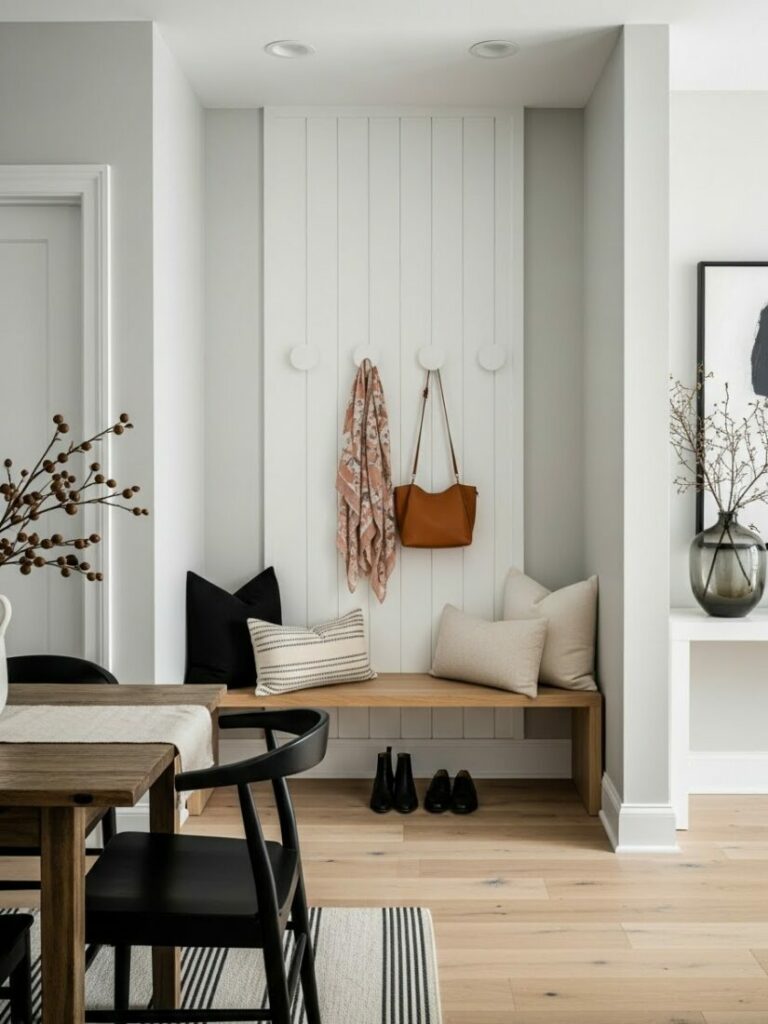
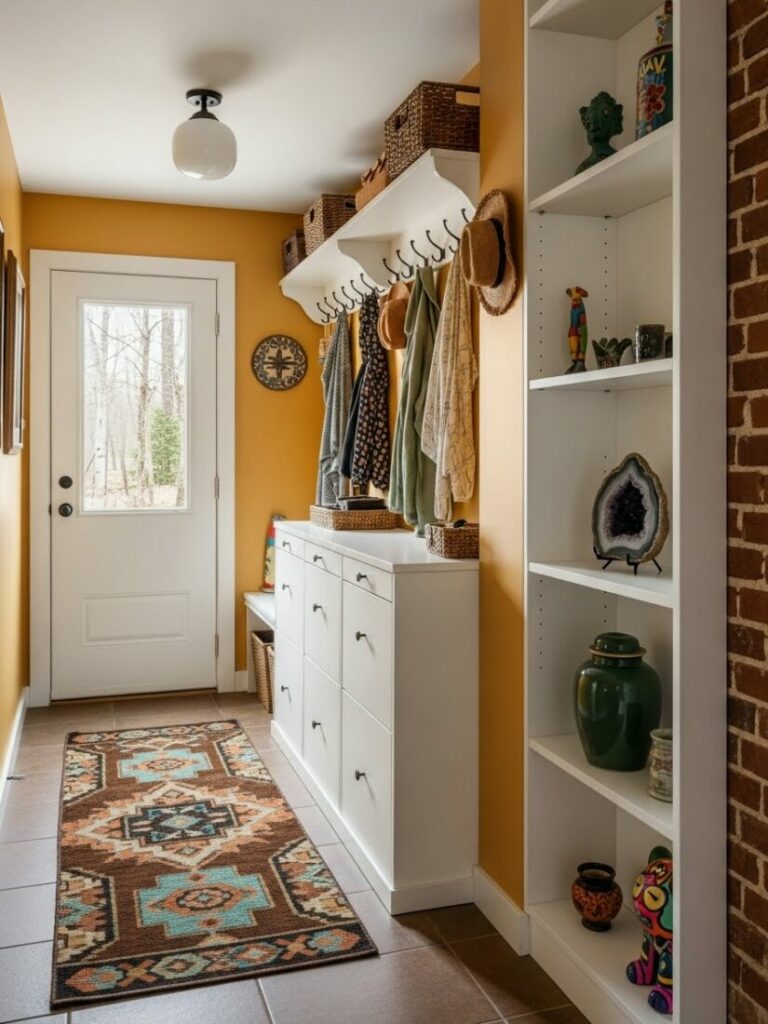
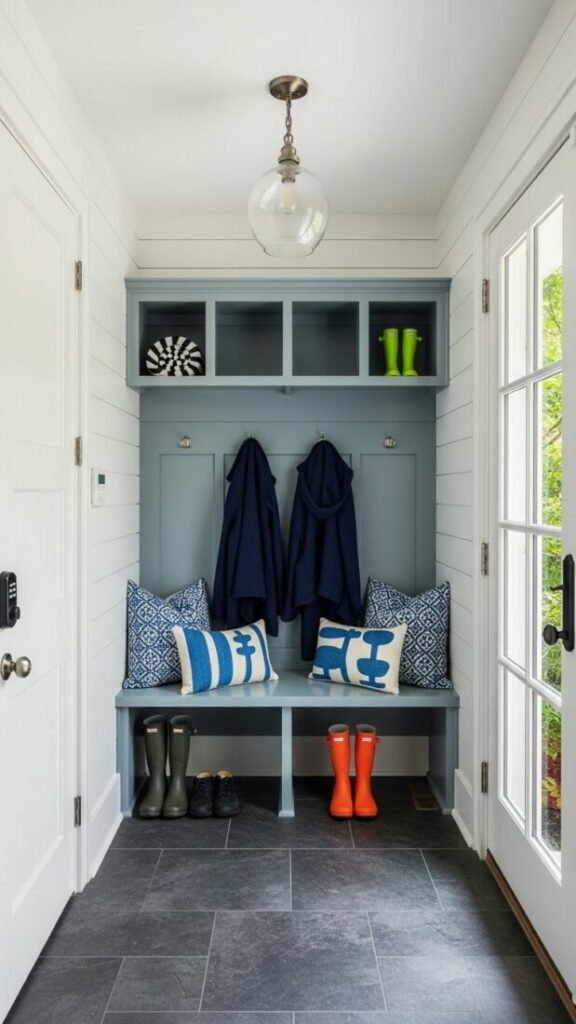
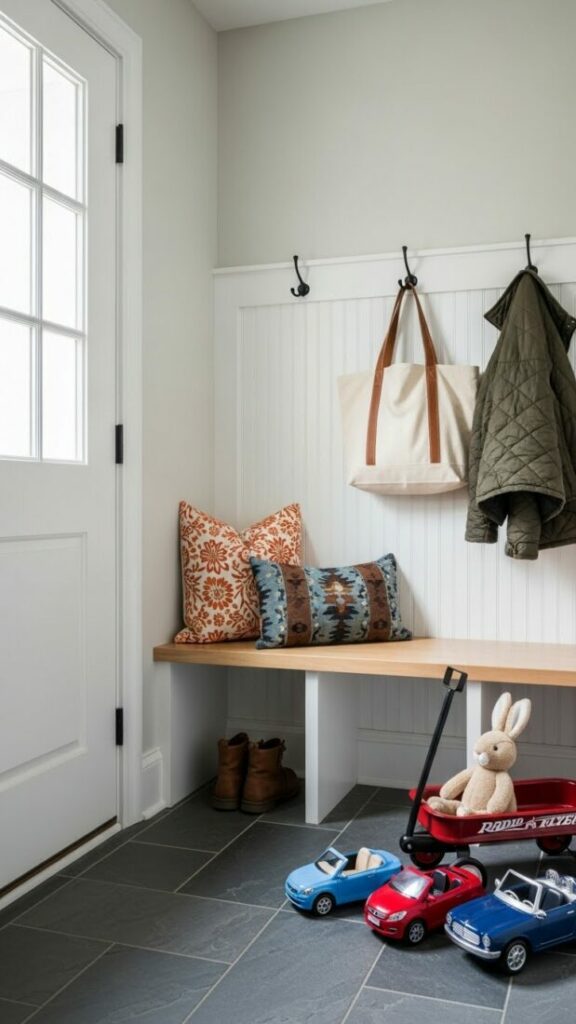
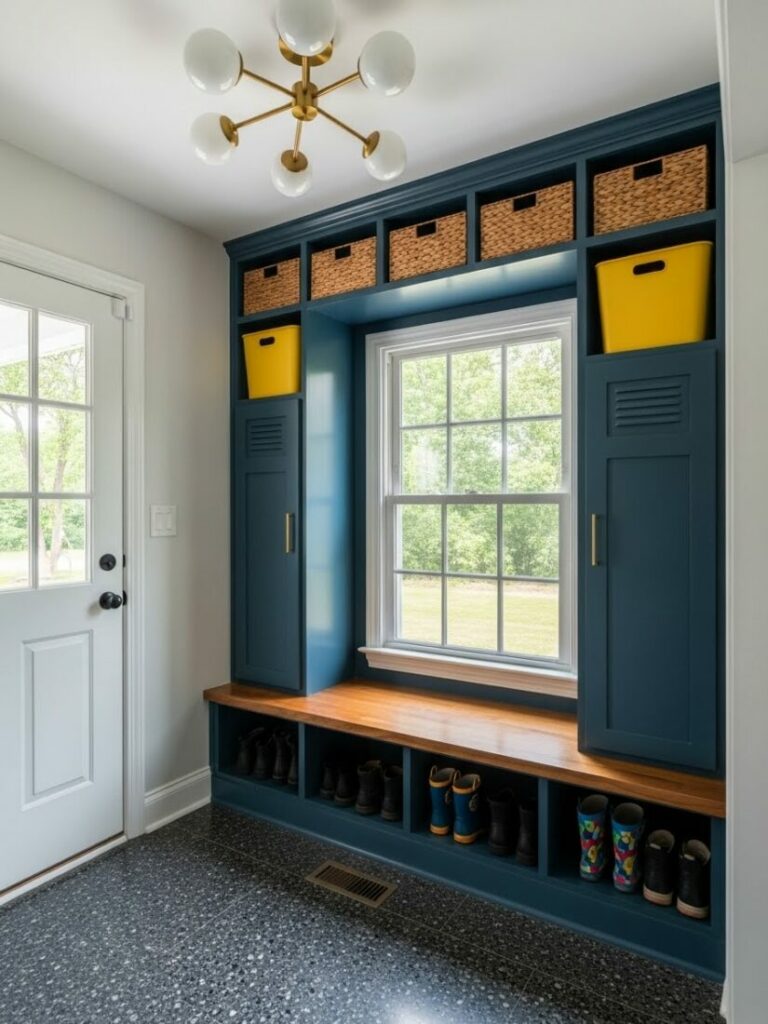
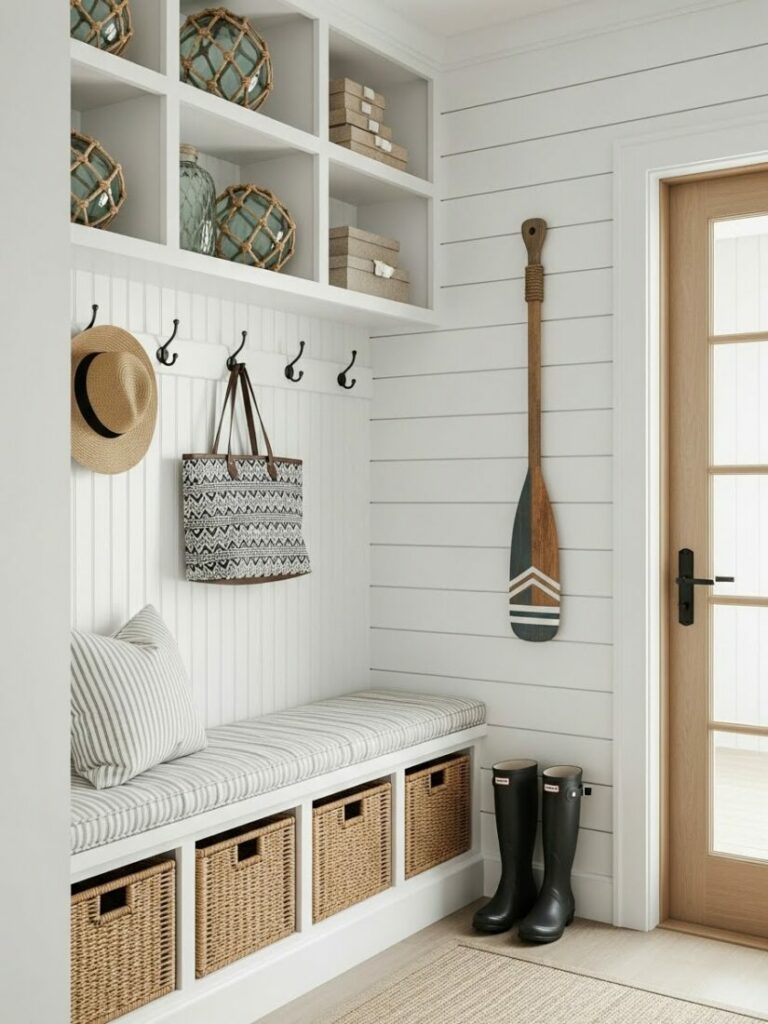
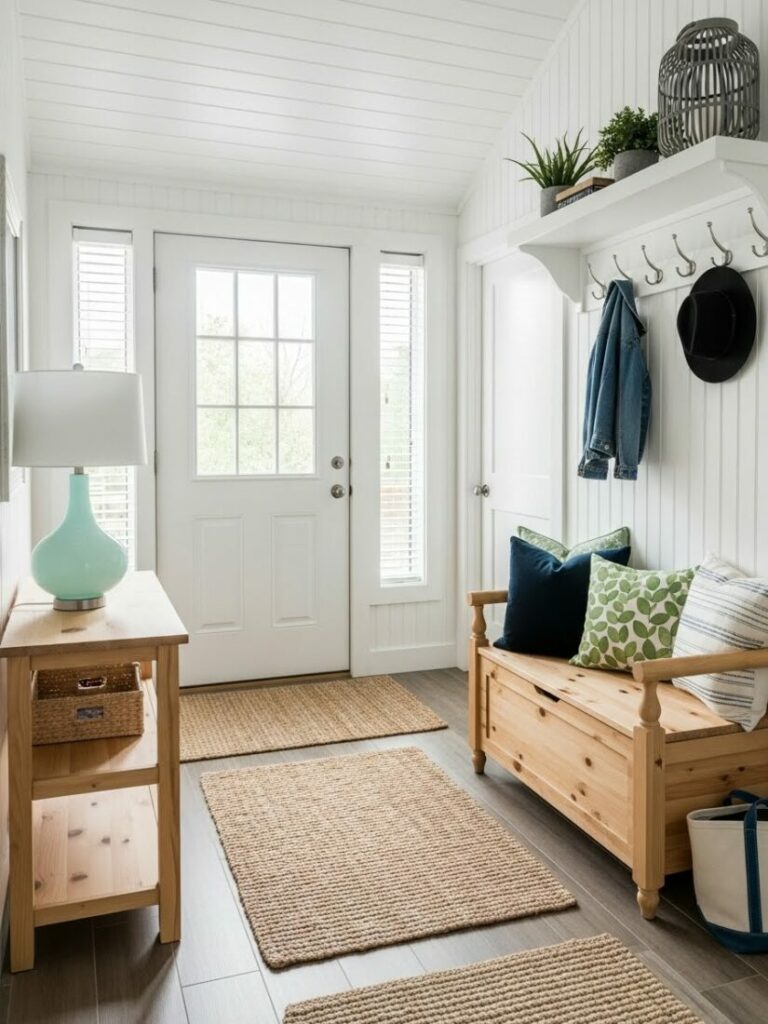
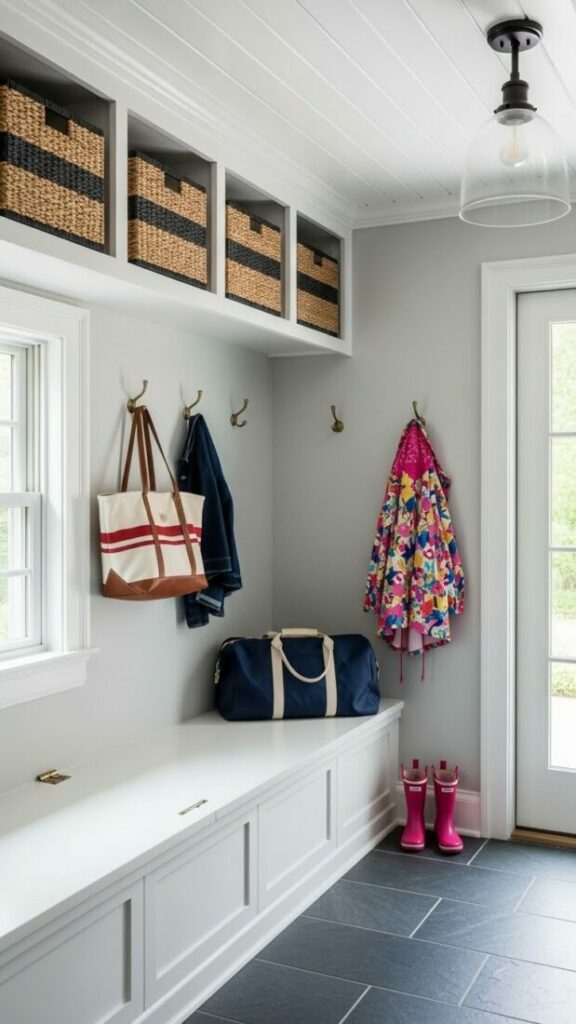
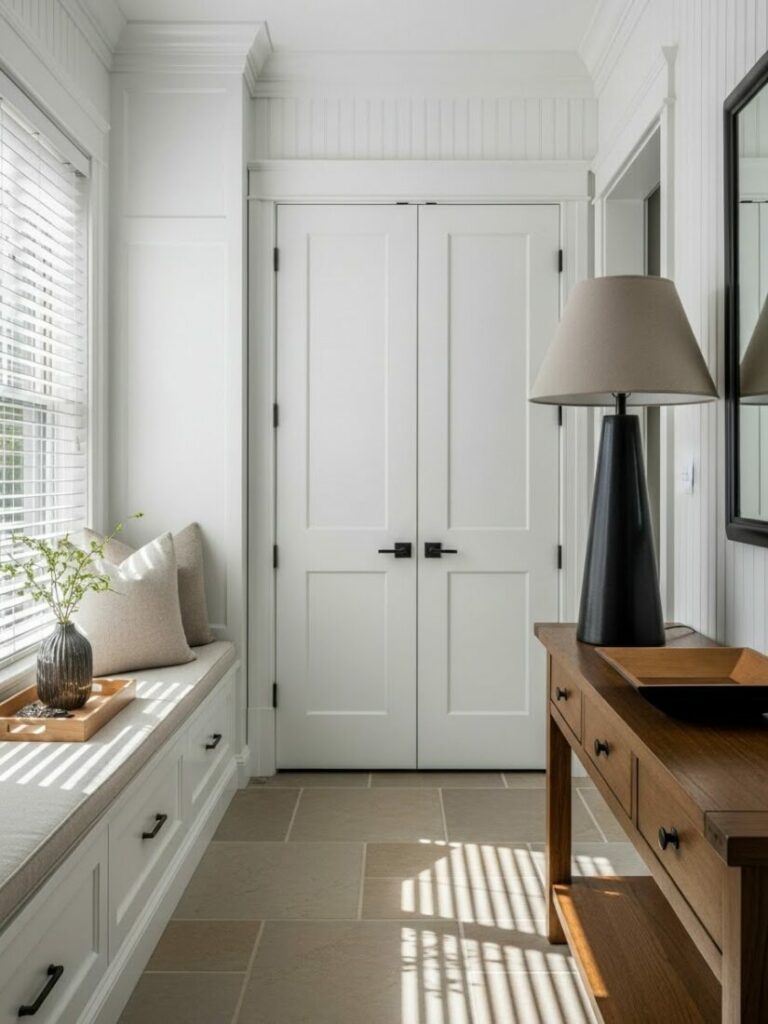
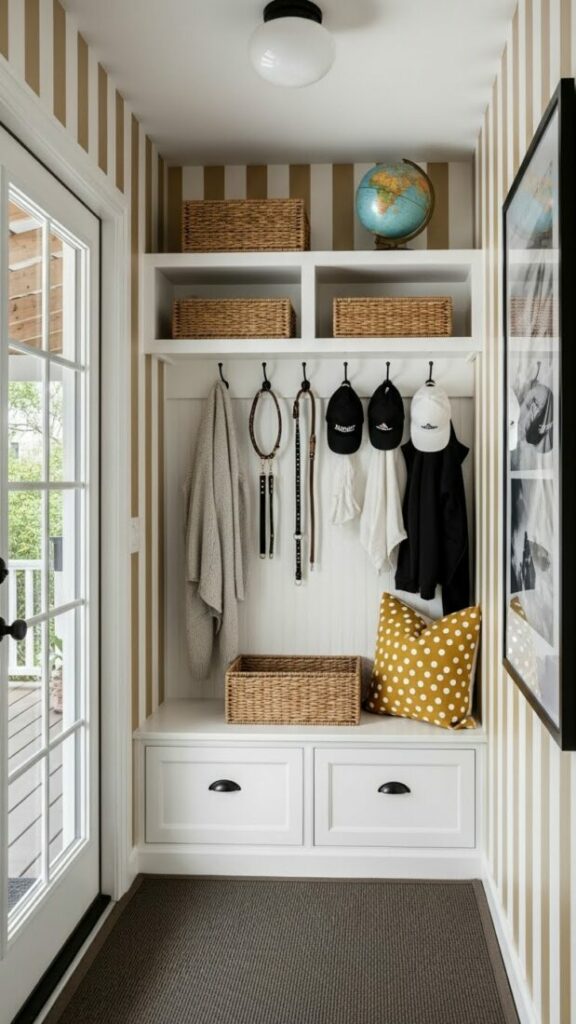
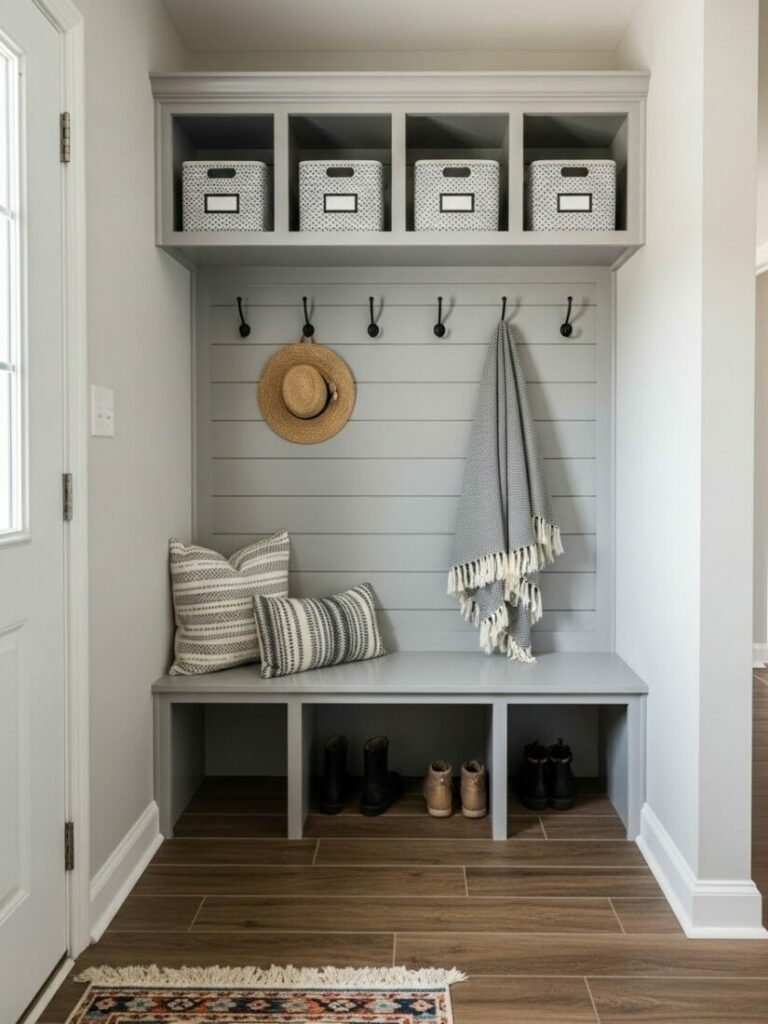
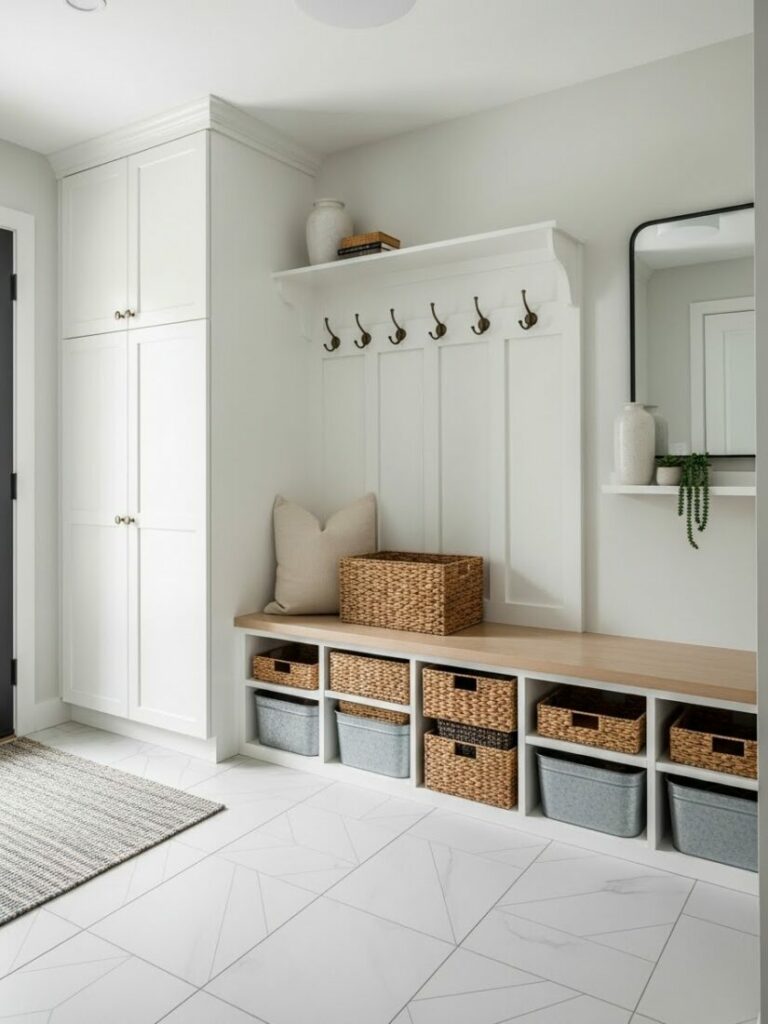
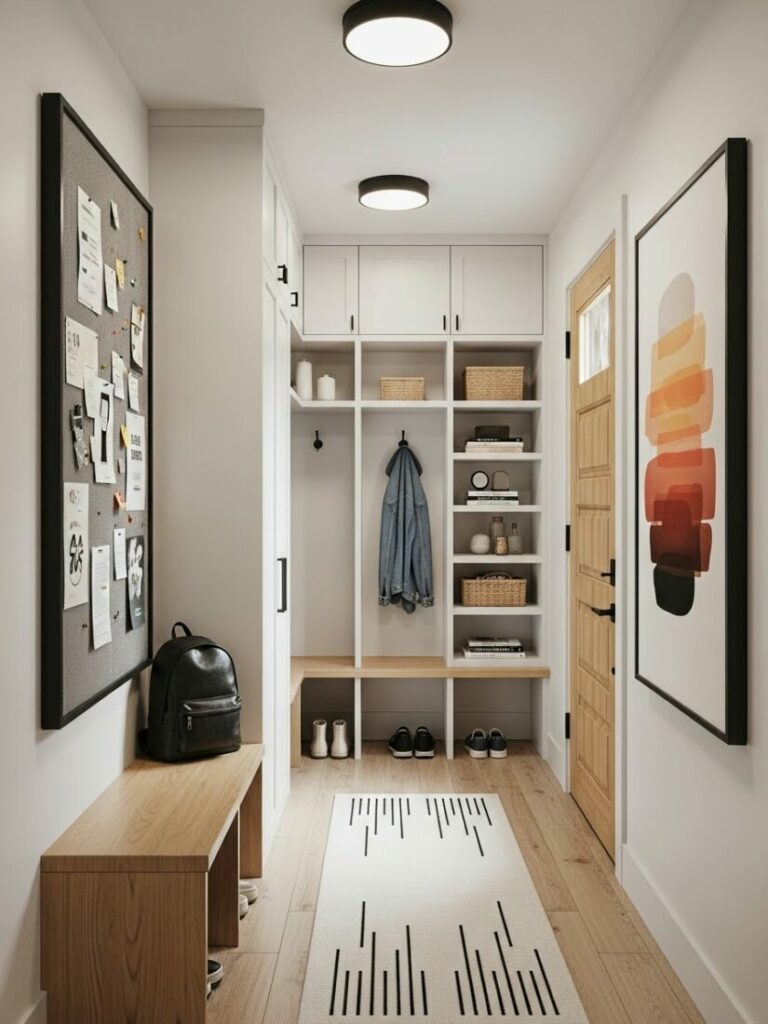
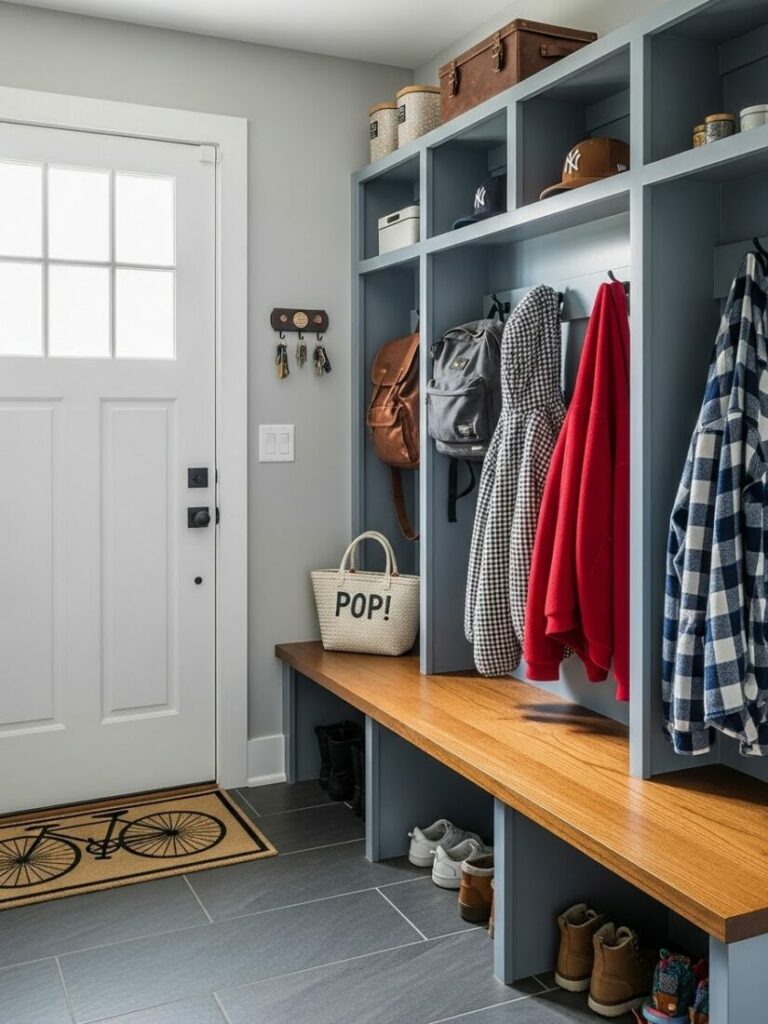
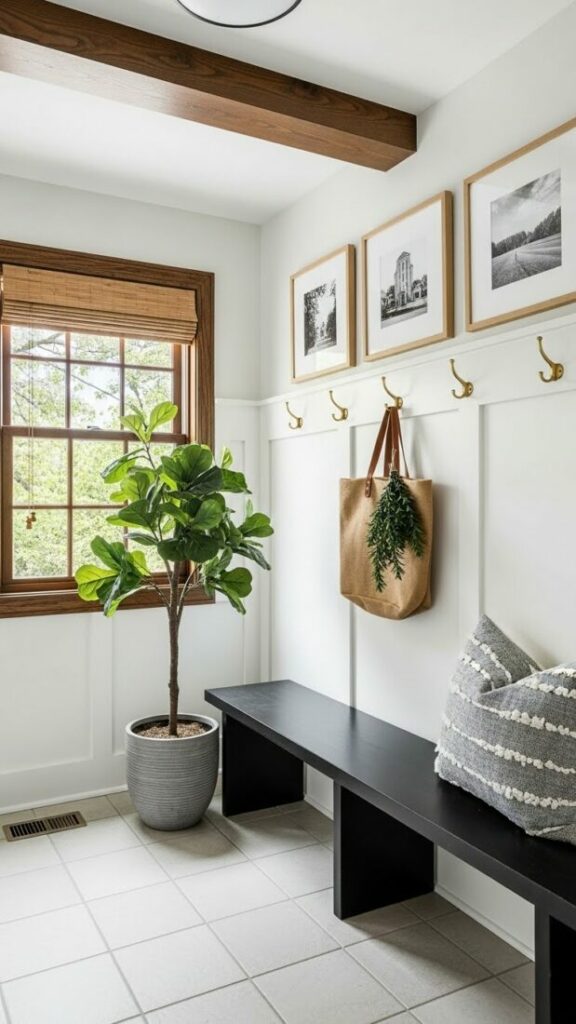
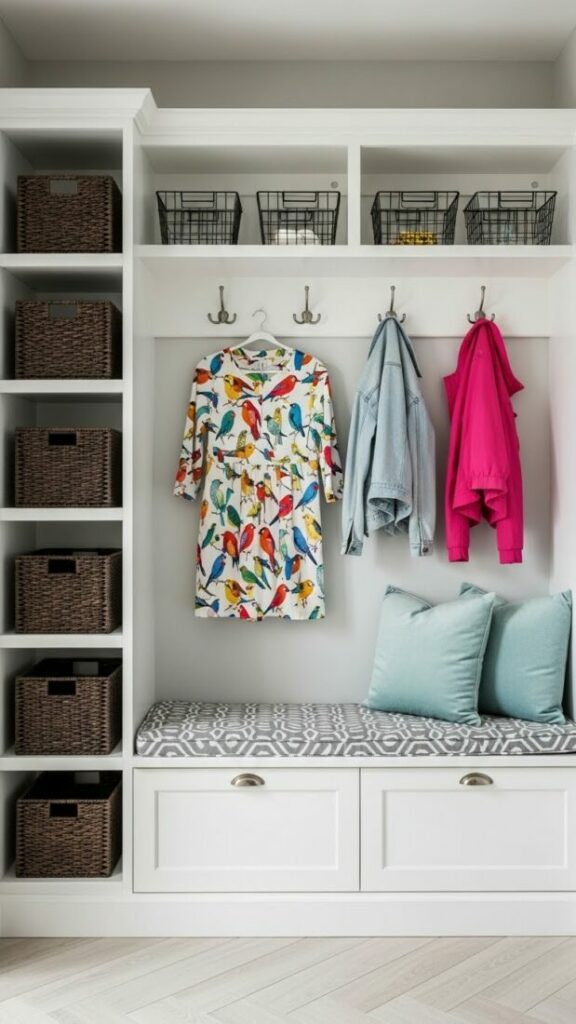
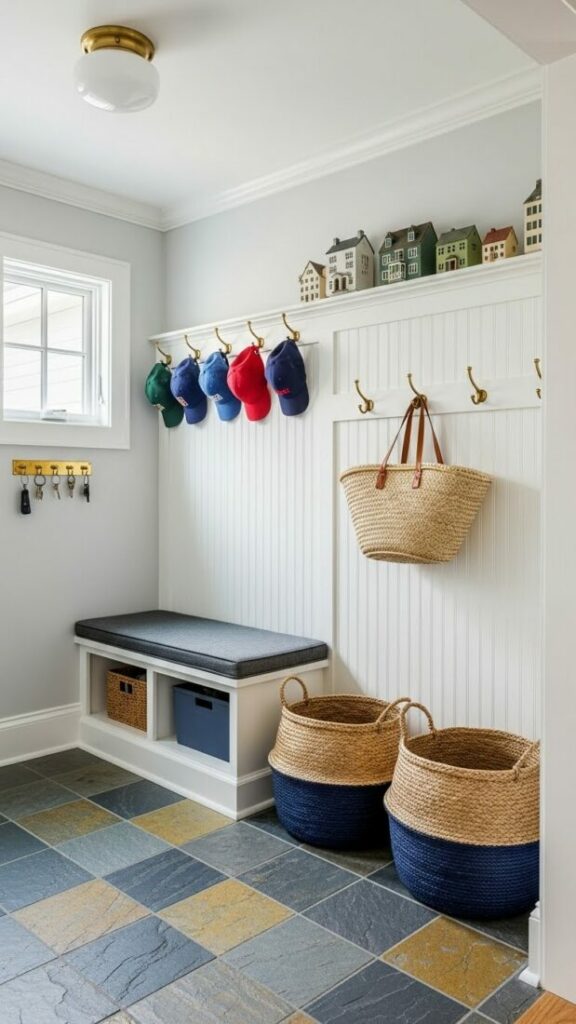
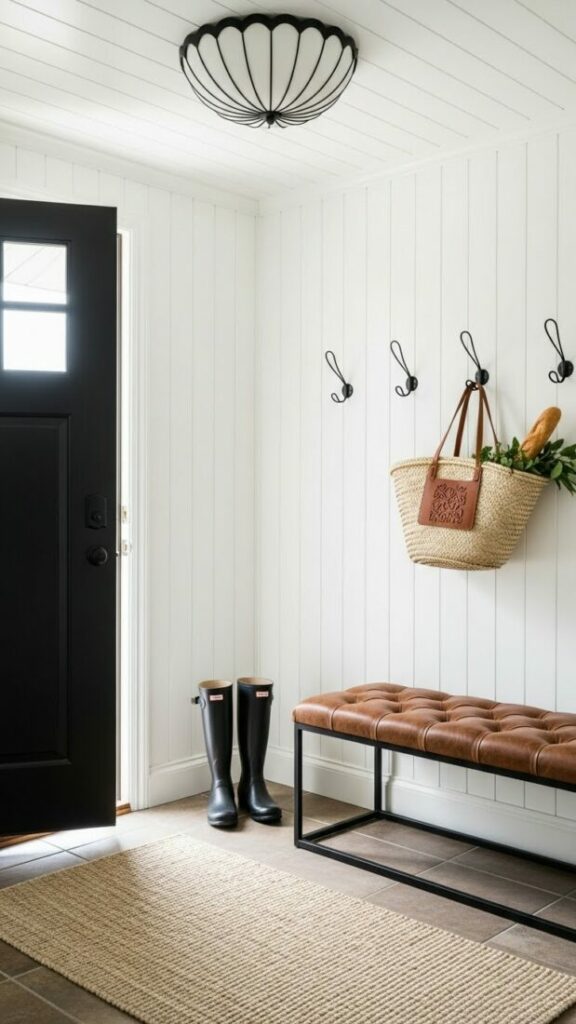
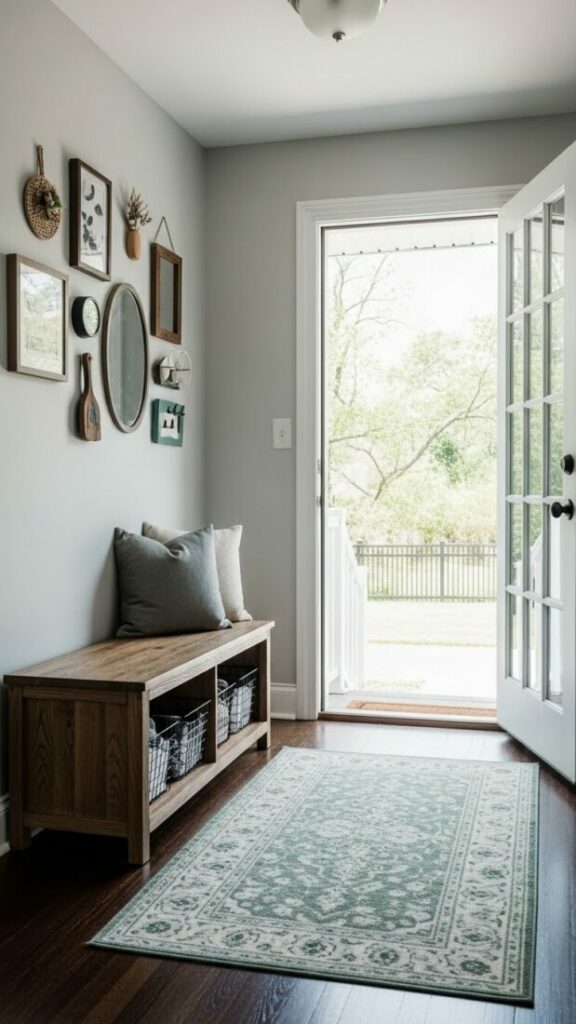
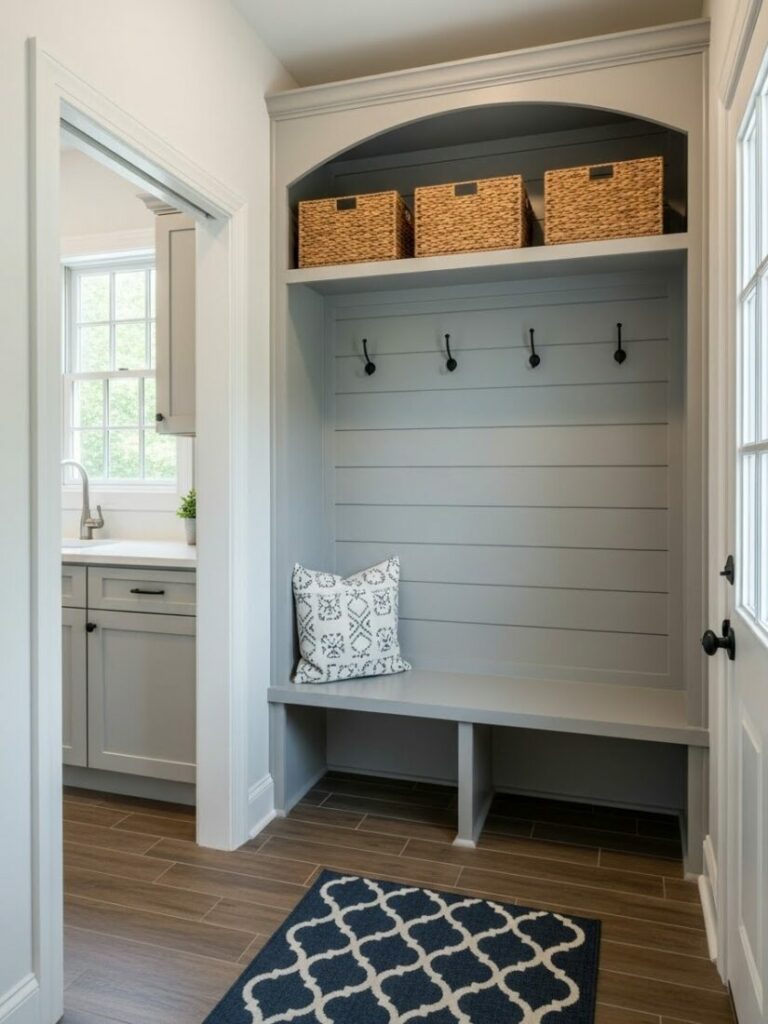
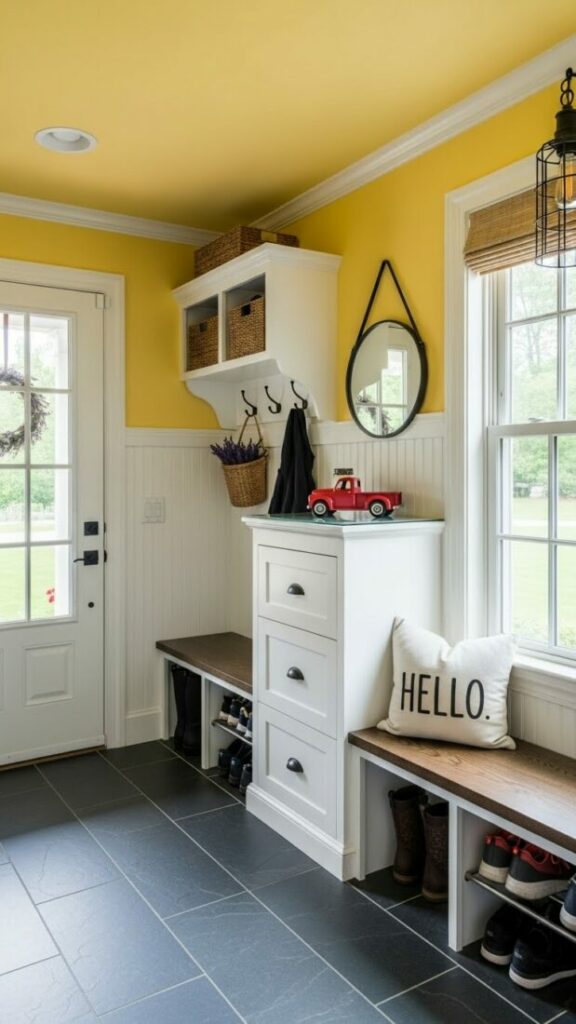
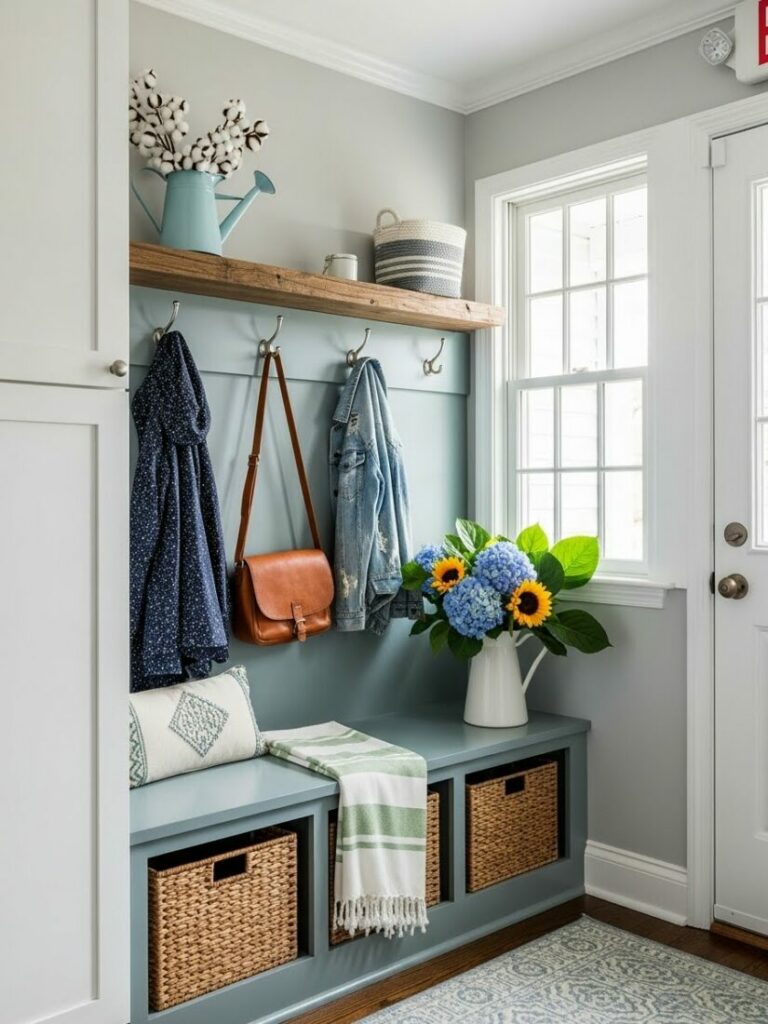
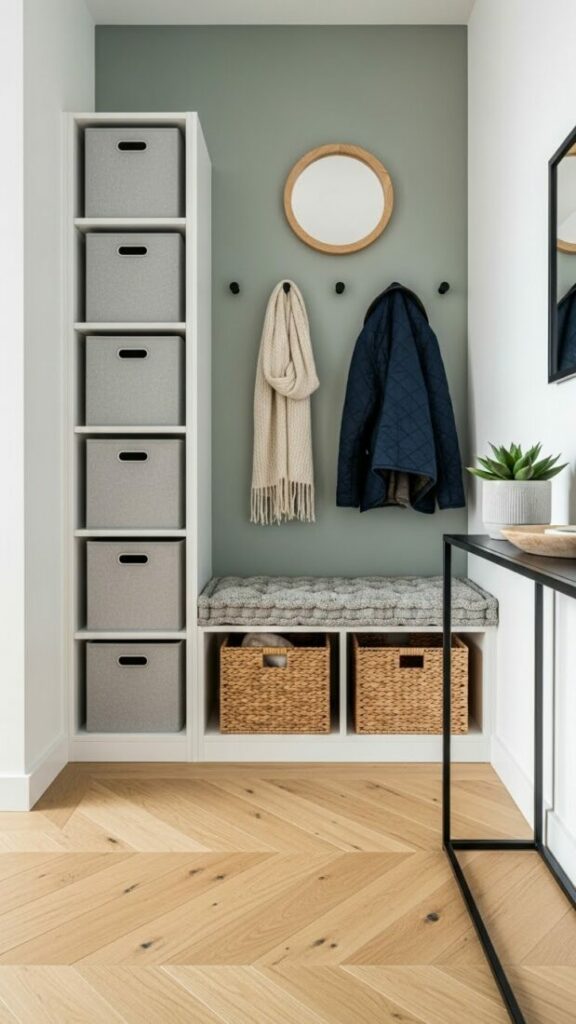
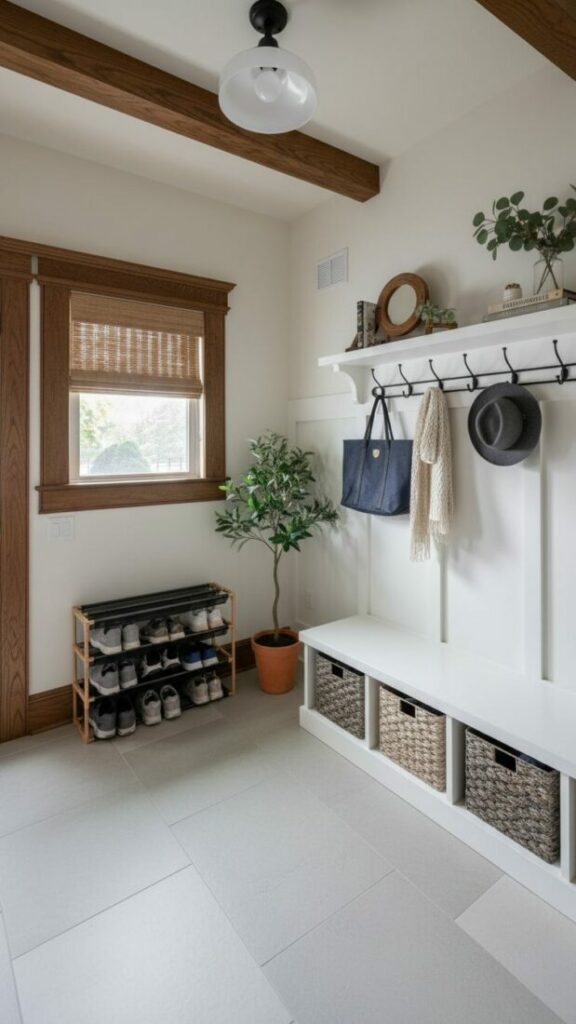
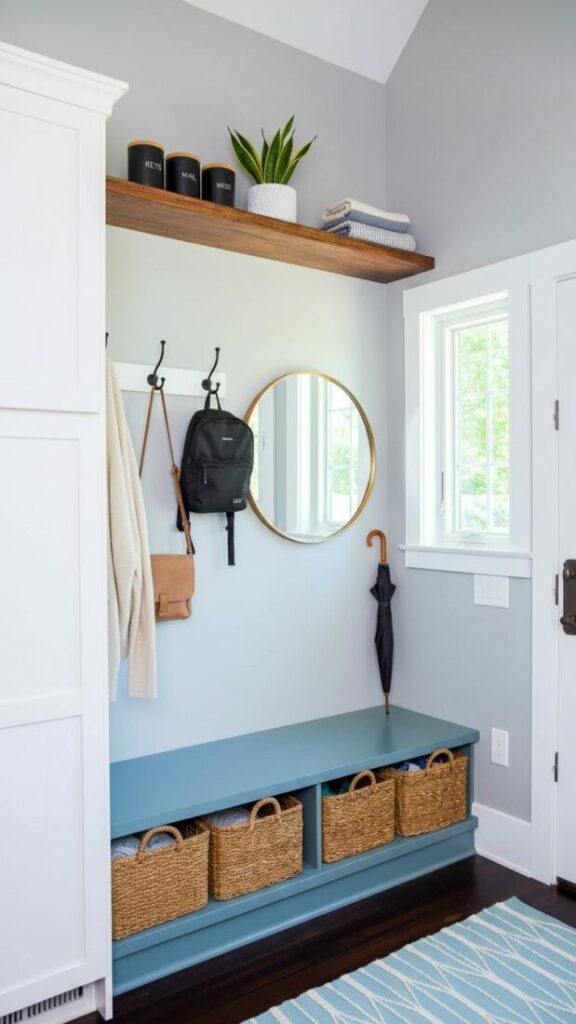
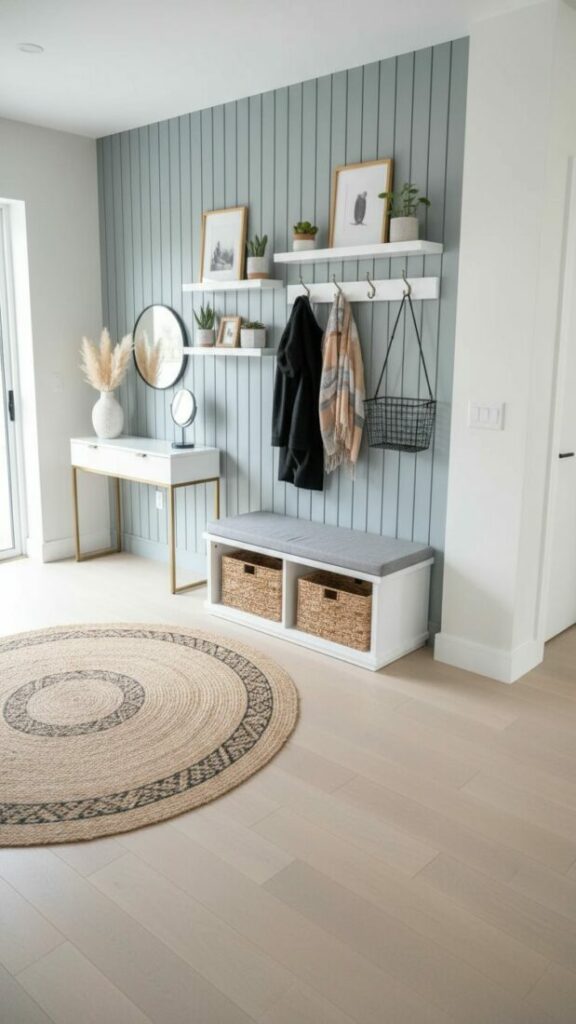
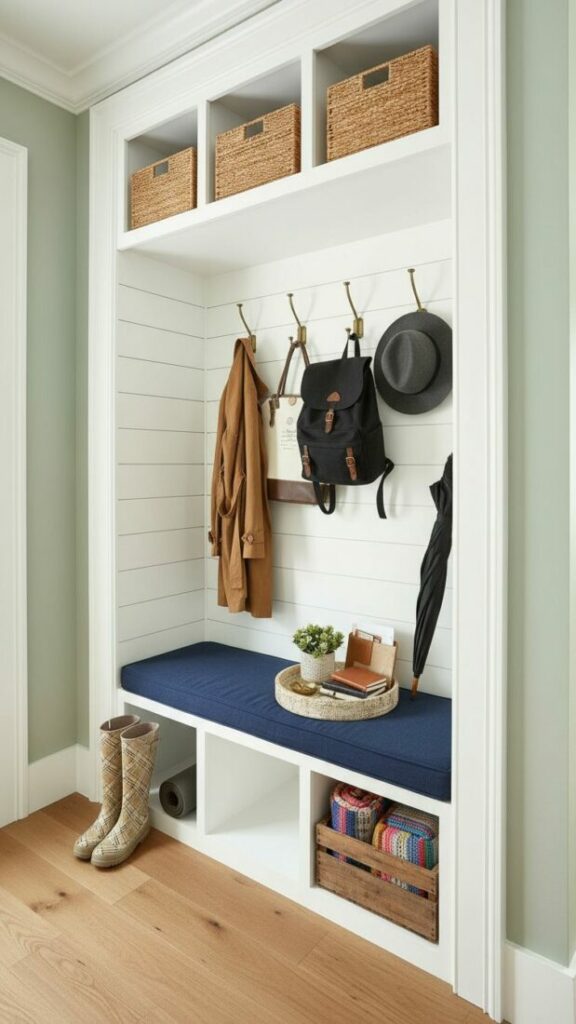
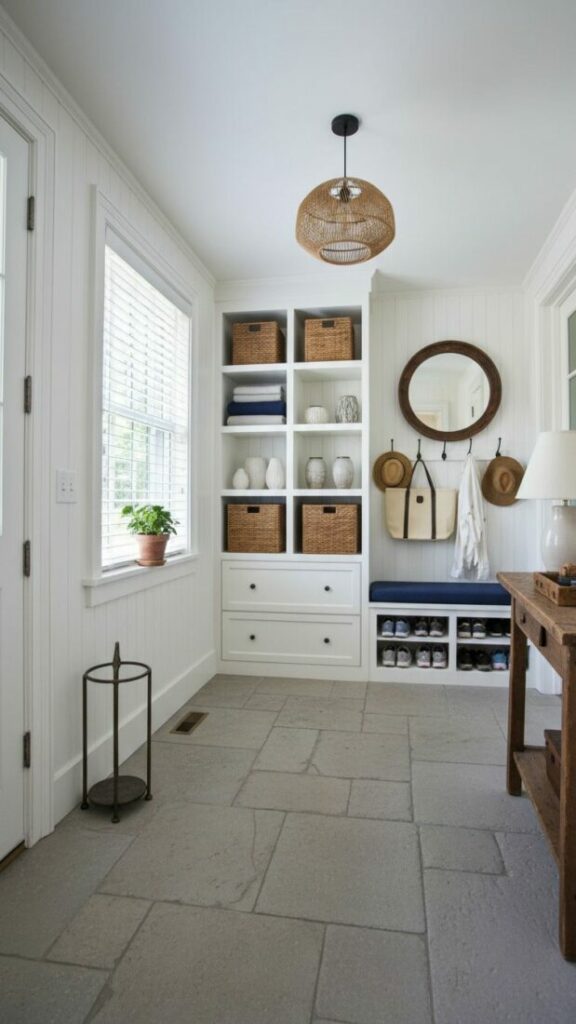
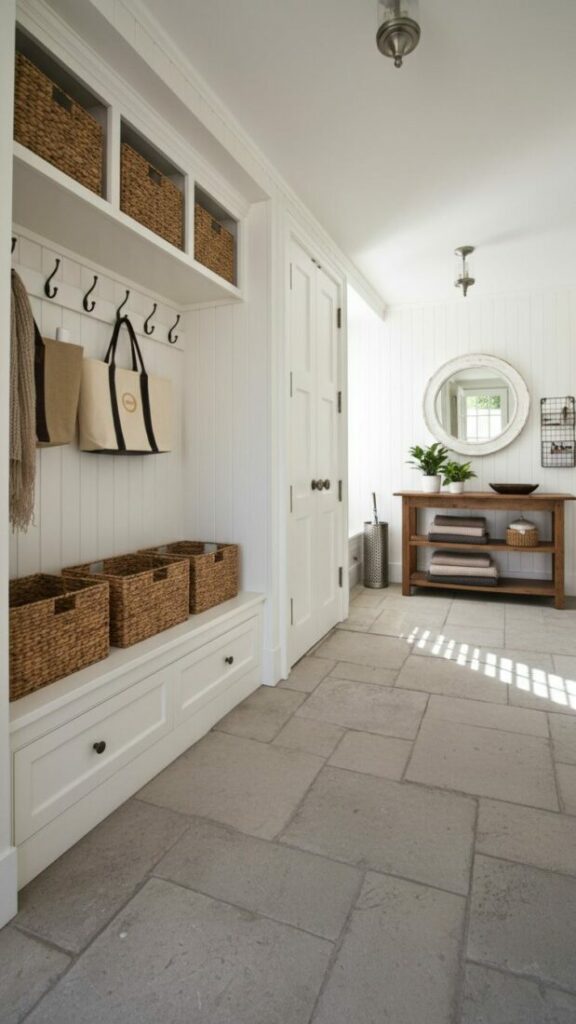
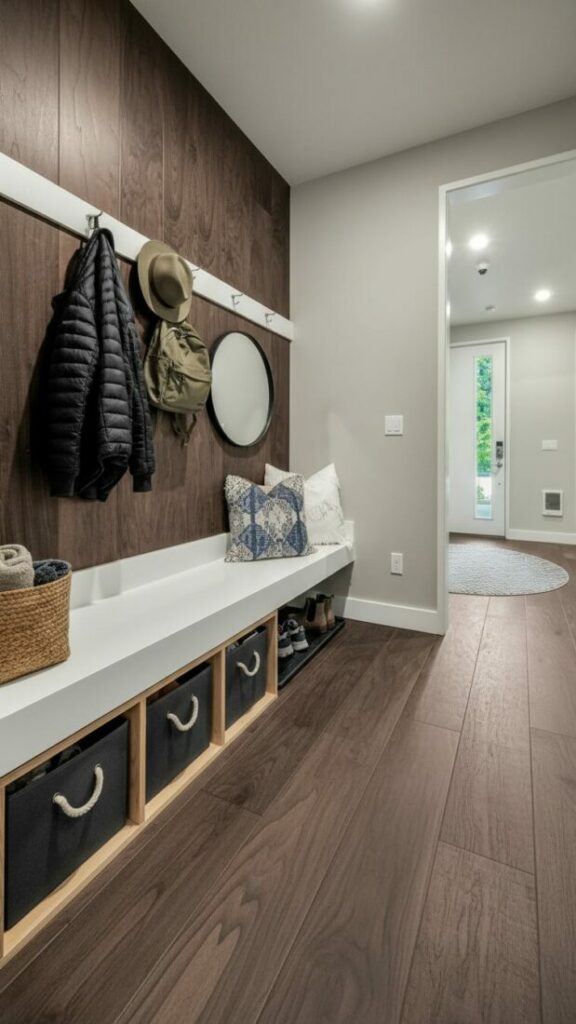
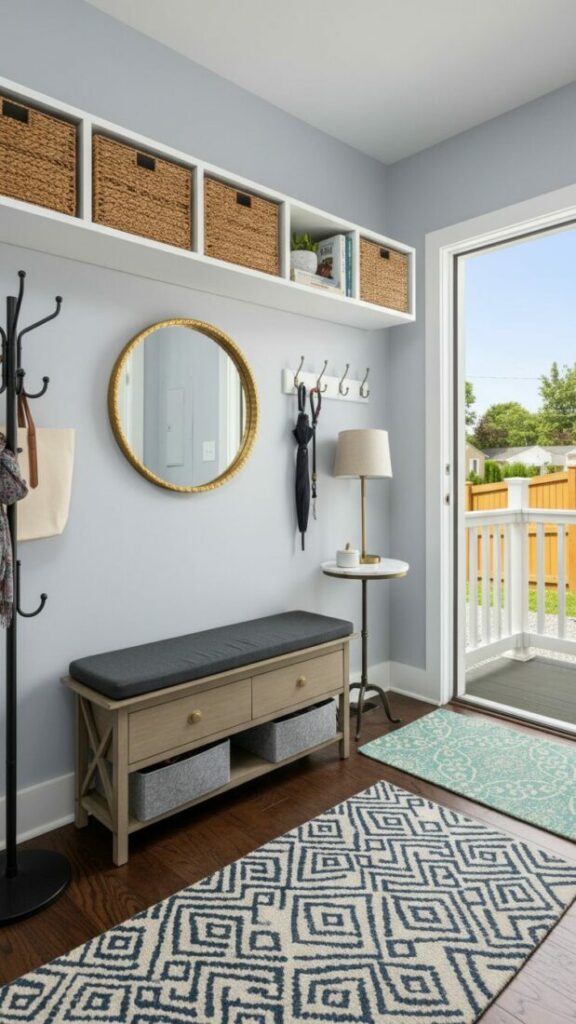
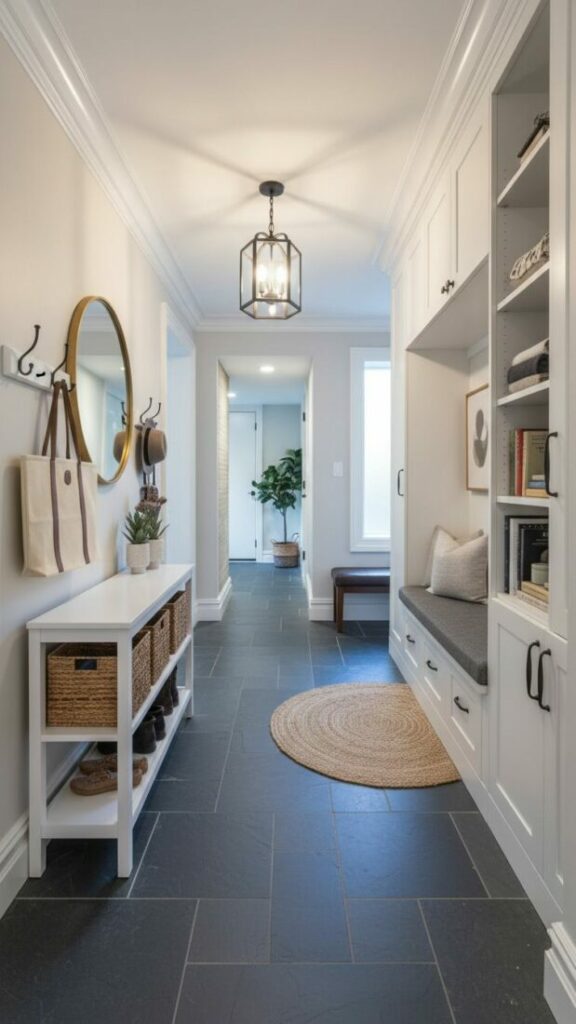
Analyze Traffic Flow and Pain Points
Before you buy a single can of paint, you must understand how you use the space. Stand in your entryway and observe the natural movement of your household. Do you constantly trip over a pile of shoes? Is there no dedicated place to put mail, resulting in a mess on the kitchen counter? Identifying these specific pain points is the first step in a successful makeover. This analysis helps you prioritize functional foyer design over purely aesthetic choices. If the flow is blocked, no amount of decor will fix the space.
Precise Measurement of Dimensions
In a small entryway, an inch makes a massive difference. Measure the width of the hallway, the height of the ceiling, and, crucially, the swing radius of the front door. Many homeowners forget to account for the door swing and end up buying rugs or consoles that block the entrance or get caught under the door sweep. Record these numbers on your phone so they are always accessible. Accurate measurements are the foundation of finding narrow hallway solutions that actually fit without crowding the area.
Establish a Renovation Budget
Entryway makeovers can range from $50 for a can of paint to $2,000 for custom carpentry and new flooring. Determine your budget early to avoid overspending on impulse buys. If you are looking for a budget-friendly entryway makeover, allocate your funds to high-impact items like paint, lighting, and hardware, while saving on accessories by thrift shopping or upcycling. Knowing your limit prevents project creep and helps you make smarter purchasing decisions that yield the highest return on investment.
The Ruthless Decluttering Session
You cannot organize clutter. Before bringing anything new in, you must empty the space completely. Remove coats that are out of season, shoes that are rarely worn, and mail that has piled up for months. Decluttering entryway zones is critical because visual noise makes small spaces feel claustrophobic. Be ruthless: if it doesn’t belong in the “active” rotation of your daily life, it belongs in a closet, not the foyer. A blank slate is the only way to truly visualize the potential of the square footage.
Define Your Aesthetic Direction
Is your home modern, farmhouse, or industrial? The entryway sets the tone for the rest of the house, so it shouldn’t feel disjointed. Create a mood board or a Pinterest folder to solidify your vision. If you are leaning towards minimalist entry design, look for clean lines and hidden storage. If you prefer boho, look for textures and plants. This step ensures your makeover feels cohesive with the adjoining rooms and prevents a mishmash of styles.
Patch and Sand Wall Imperfections
Small spaces magnify imperfections because you are often standing closer to the walls. Dents from door handles, scratches from moving furniture, or scuffs from shoes are highly visible. Spackle holes, sand down rough patches, and clean the baseboards thoroughly. This preparation is the difference between a DIY entryway renovation that looks professional and one that looks amateur. A smooth canvas is essential for the final paint or wallpaper application.
Select Light-Reflecting Paint Colors
For small, often windowless entryways, color choice is strategic. Light, cool-toned neutrals expand the space visually by receding. Satin or semi-gloss finishes reflect light better than matte, making the space feel brighter and airier. However, don’t be afraid of a “jewel box” effect; painting a tiny powder room or foyer a deep charcoal can blur the edges of the room, a trick often used in apartment entryway decor to create illusionary depth.
Apply a Statement Wall Treatment
If paint feels too plain, consider wallpaper to add personality without taking up floor space. For renters or those afraid of commitment, Peel and Stick Wallpaper (Geometric) is a game-changer. A vertical stripe pattern can make low ceilings feel higher, while a bold geometric print hides scuff marks and adds drama. Apply this to the wall facing the door for an immediate “wow” factor upon entry, establishing the home’s character instantly.
Address the High-Traffic Floor
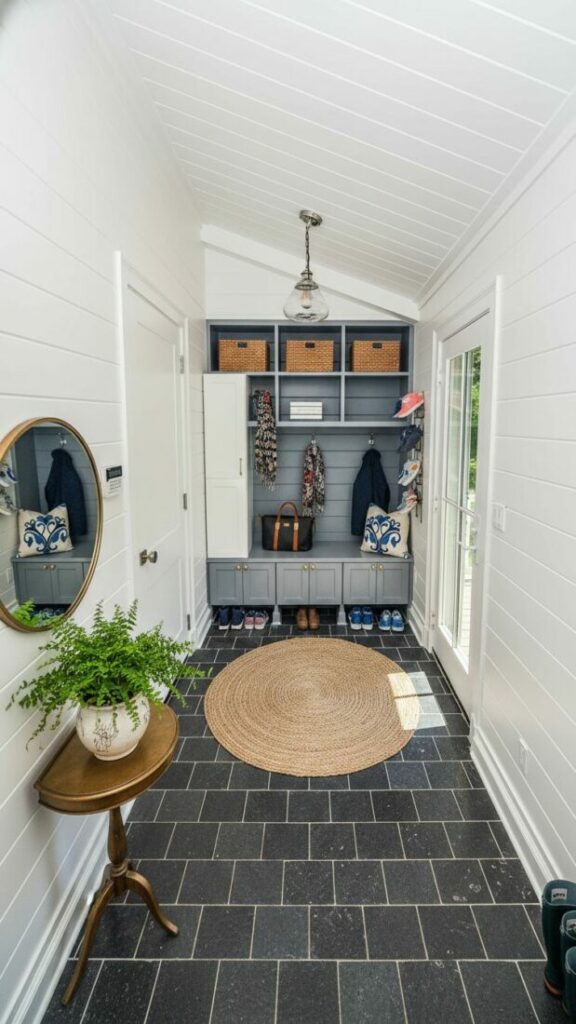
The entryway floor takes a beating from mud, rain, and grit. If you can’t replace the tile, consider painting it with stencil kits for a budget refresh or covering it with a large runner. Choosing high-traffic flooring solutions, like a durable Jute Runner Rug, ensures the makeover lasts. A runner also directs the eye forward, elongating the visual tunnel of the hallway and drawing guests into the home.
Refresh Trim and Front Door Interior
Don’t ignore the trim. A fresh coat of bright white paint on dirty baseboards instantly makes a home feel newer and cleaner. Additionally, consider painting the interior side of the front door a bold contrasting color using a high-quality Chalk Paint (Matte Finish). This creates a focal point and anchors the design, a popular technique in modern entryway styling that adds sophistication without costing a fortune.
Upgrade Overhead Lighting
Boob lights (flush mounts) are often the default in builder-grade homes and do nothing for style. Swap this out for a statement pendant or a sleek semi-flush mount that diffuses light evenly. Good lighting is one of the most effective entryway lighting ideas to make a space feel larger and more welcoming. Ensure the bulb brightness (lumens) is sufficient to banish dark shadows in the corners, which can make the space feel cramped.
Install Secondary Lighting
Overhead lighting isn’t enough; it casts harsh shadows on faces. Layer your lighting for a softer ambiance. If you have a console table, add a slim lamp. If you have no floor space, install Gold Wall Sconces (Plug-in) flanking a mirror. These are excellent renter-friendly upgrades that add a high-end hotel vibe without the need for hiring an electrician. For deep closets or dark corners, adding Motion Sensor Cabinet Lights ensures you never lose items in the dark.
Choose a Slim Profile Console
The console table is the functional anchor of the foyer. In a tight space, look for a narrow console table (less than 12 inches deep). An Acrylic Console Table is a fantastic option as it takes up zero visual weight, making the hall appear wider. Alternatively, mount Floating Shelves with Hidden Brackets to serve as the “landing strip” for keys and mail without utilizing any floor space at all.
Implement Vertical Shoe Storage
Shoes are the primary cause of entryway chaos. Traditional open racks are visually messy and often too wide for narrow halls. Switch to a Slim Shoe Cabinet (White). These slim units store shoes vertically and hide them completely behind closed doors. Finding efficient shoe storage solutions is the single most important factor in maintaining a tidy entryway long-term.
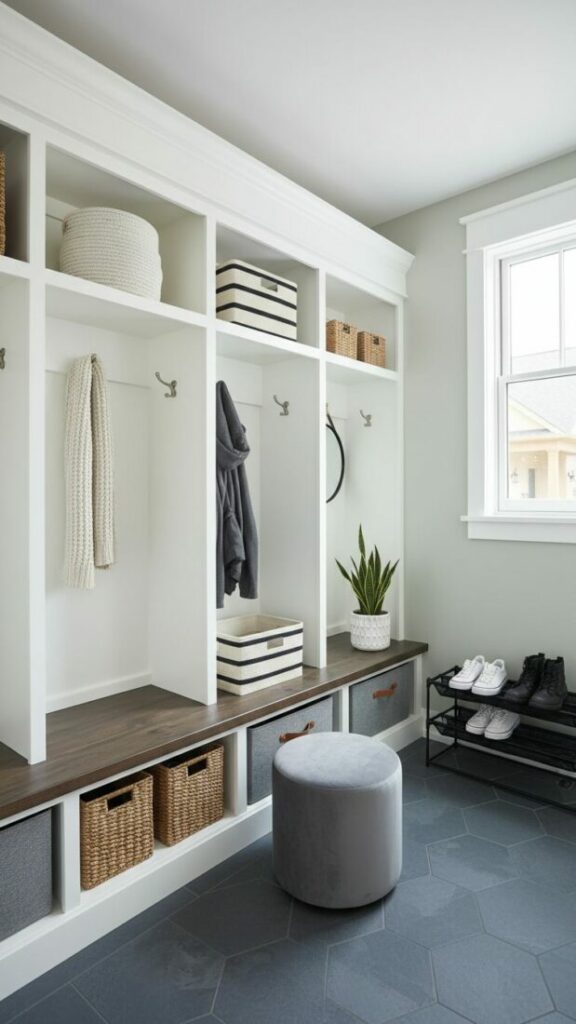
Set Up a Vertical Mudroom
If you don’t have a coat closet, you must create one on the wall. Install a Wall-Mounted Coat Rack with Shelf to hold heavy winter gear and provide upper display space. For lighter items or tighter spaces, specific Decorative Wall Hooks (Minimalist) are perfect coat rack alternatives that look like art when not in use.
Utilize Upper Wall Space
Look up. The space above the door frame is often wasted real estate. Install a shelf here to store baskets containing off-season items like scarves, gloves, or beach towels. Maximizing vertical space draws the eye upward, making the ceiling feel higher, and provides essential storage that doesn’t encroach on your living area or walking path.
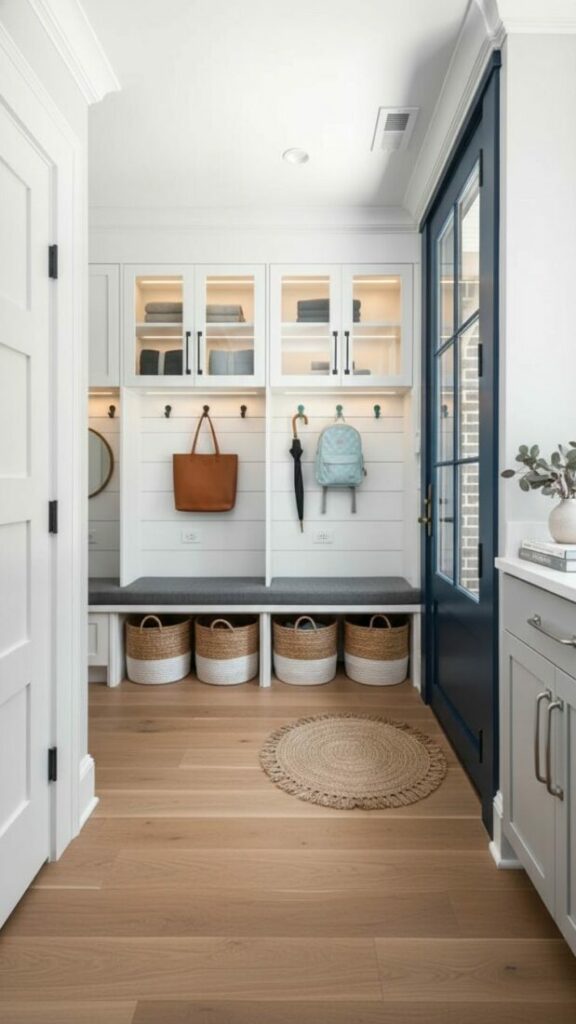
Add a Bench with Storage
If space permits, a small bench is a luxury that adds immense functionality. It provides a place to sit while putting on or taking off shoes, which keeps dirt contained in the entry. Opt for a Small Entryway Bench with Storage with a flip-top lid or cubbies underneath. Furniture that performs double duty is the cornerstone of entryway storage hacks for small homes.
Mount a Command Center
Paper clutter accumulates fast. Install a Modern Key Holder & Mail Organizer for mail and keys. Whether it’s a modern magnetic strip, a corkboard, or a vintage letter holder, having a designated “home” for these items prevents them from migrating to the kitchen counter. Wall-mounted organizers keep the console surface clear for decor and ensure you never lose your keys again.
Cable Management and Utility Covers
Entryways often house unsightly utility elements like breaker boxes, radiators, or chaotic tangles of router cables. Use a Cable Management Box to hide cords along the baseboards. Build or buy a radiator cover to create a faux console table surface. Concealing these utilitarian elements is a key step in a polished DIY entryway renovation that reduces visual noise.
Group Items in Woven Baskets
Loose items look messy; grouped items look styled. Use matching Woven Seagrass Baskets (Set of 3) to corral dog leashes or reusable grocery bags. Placing baskets under a floating console grounds the furniture and adds texture. For wet weather gear, a dedicated Umbrella Stand (Modern Metal) keeps water off your floors and serves as a vital component of apartment entryway decor.
Strategic Mirror Placement
A large mirror is non-negotiable in a small foyer. It allows for a final outfit check and bounces light around the room. For narrow spaces, a Round Mirror (30 Inch) breaks up the straight lines of the hallway. Proper mirror placement for small spaces involves hanging it opposite a light source or window to effectively double the visual depth of the room.
Introduce Vertical Greenery
Plants bring life and energy to a sterile space. In a small entry, floor space is scarce, so go vertical. Install a wall planter or place a tall, skinny Artificial Olive Tree (4ft) in a tight corner. Greenery softens the architectural edges and makes the transition from outdoors to indoors feel more natural and inviting.
Apply the Rule of Three
When styling your console or shelf, use the “Rule of Three.” Group items of varying heights—for example, a tall vase, a medium framed photo, and a small candle. This arrangement is visually pleasing to the human eye and prevents the surface from looking cluttered or random. This is a classic trick for tiny foyer ideas that look professionally styled.
Hang Art or a Gallery Wall
Don’t leave walls bare, even if the wall is small. A Gallery Wall Frame Set adds personality and color, drawing the eye and distracting from the small size of the room. If you are renting or want to avoid holes, use Command Strips (Heavy Duty) to secure your art safely.
Incorporate Scent Elements
Design is multi-sensory. The smell of your home is the first thing to greet you. Use a reed diffuser or a small candle warmer on the console. A fresh scent like linen, citrus, or eucalyptus makes a small space feel airy and clean. Avoid heavy, cloying scents that can make a tight space feel smaller and stuffy.
Layer Rugs and Pillows
If you have a bench, add a lumbar pillow for comfort and color. On the floor, consider layering a small patterned vintage rug over a larger jute runner. This adds coziness and luxury. Textiles absorb sound, which is helpful in echoing hallways, contributing to a more comfortable and functional foyer design.
Plan for Seasonal Rotations
Your entryway needs change with the weather. In summer, you need space for sun hats and sunscreen; in winter, you need space for bulky coats and boots. Leave 20% of your storage empty to accommodate a seasonal decor swap. A flexible system ensures the entryway works year-round without becoming overwhelmed by out-of-season gear.
Update Door Hardware
The doorknob and lockset are the first things you touch when entering the home. If they are old, loose, or tarnished, replace them. Additionally, swapping out old furniture pulls for Brass Cabinet Knobs (Pack) on your console or shoe cabinet instantly updates the look. It is a small detail that makes a subconscious impact on the quality of the space.
Establish a “Sunday Reset”
The final element isn’t physical; it is behavioral. A small entryway cannot hide clutter. Commit to a weekly “reset” routine where you clear out processed mail, put away shoes that have piled up, and wipe down surfaces. Maintenance is the unsung hero of minimalist entry design and ensures your hard work remains beautiful.
The Psychology of Order
Completing this checklist does more than just make your home look good; it reduces the cognitive load you experience every time you walk through the door. A clutter-free entrance sets a tone of calm for the rest of your day. For more insights on how your environment affects your mental state, read this interesting article on the psychological benefits of decluttering. Taking control of your entryway is the first step in taking control of your home environment.
Conclusion: Your New Welcome Home
By following this 35-step Small Entryway Makeover Checklist, you have systematically addressed every aspect of your foyer, from the structural shell to the final scent. You have turned a cramped, forgotten corner into a functional machine that welcomes you home with style. Remember, the size of your entryway does not dictate its impact. With smart planning, vertical thinking, and a bit of creativity, even the smallest nook can make a grand entrance.